The "Hunger Games" hangover cure
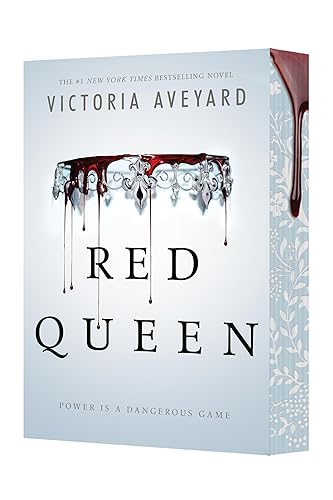
If your teen just finished The Hunger Games or Divergent and is looking for that next high-stakes obsession, Red Queen is the move. It occupies a specific niche in the YA landscape: it’s the bridge between the "chosen girl" tropes of the 2010s and the more modern "romantasy" trend. Victoria Aveyard essentially took the DNA of a superhero story and grafted it onto a brutal caste system.
The hook—that the ruling class has silver blood and superpowers while the working class has red blood and nothing—is simple enough for a 12-year-old to grasp but complex enough to keep a 17-year-old interested in the political maneuvering. It’s less about the "games" and more about a revolution from the inside out. If your kid liked the tactical side of X-Men or the courtly backstabbing of Game of Thrones, this is going to land.
A protagonist who isn't "nice"
One of the most frequent complaints from critics is also the book’s greatest strength: Mare Barrow is often unlikeable. She is impulsive, deeply cynical, and makes massive tactical errors because she’s driven by a mix of fear and ego. For a parent, this is actually a gift for discussion. Unlike many YA heroines who are paragons of virtue, Mare is a thief who gets thrust into a palace and has to lie to everyone—including herself—to survive.
She isn't a role model in the "be like her" sense. She’s a case study in how power and desperation change a person. The book doesn't shy away from her flaws, and as the series progresses, her moral compass gets even more skewed. It’s a great way to talk about the "anti-hero" archetype without the R-rated content of adult series.
The "anyone can betray anyone" factor
The marketing for this book leaned heavily on the tagline "Anyone can betray anyone," and it actually delivers. This isn't a story where the good guys and bad guys are clearly color-coded (despite the literal blood colors). The betrayals in the final third of the book are genuine "put the book down and scream" moments for a first-time reader.
This creates a specific kind of reading experience. It’s tense. If your kid is sensitive to psychological manipulation or "gaslighting" themes, be aware that the Silver court is built on those things. The Queen, in particular, uses her mental powers to invade and rewrite people’s thoughts. It’s a level of intrusiveness that can be more unsettling for some readers than the actual sword-fighting or lightning-throwing.
Making the series commitment
If they like the first one, they’re going to want the rest. Victoria Aveyard has built a massive world here, and the 10th anniversary editions are currently making a splash with collectors.
- The main series: Four core books (Red Queen, Glass Sword, King's Cage, War Storm).
- The extras: Broken Throne is a collection of novellas and world-building scraps that fans usually dive into after the main series.
- The "If they liked this" list: If this hits, look into Powerless by Lauren Roberts or The Cruel Prince by Holly Black. They share that same "deadly court" DNA.
The 4.4 rating on Amazon is a testament to the book's pacing. It’s designed to be binged. If your teen is a reluctant reader, the cliffhangers at the end of almost every chapter are a very effective "just one more page" trap.