The BookTok effect in full force
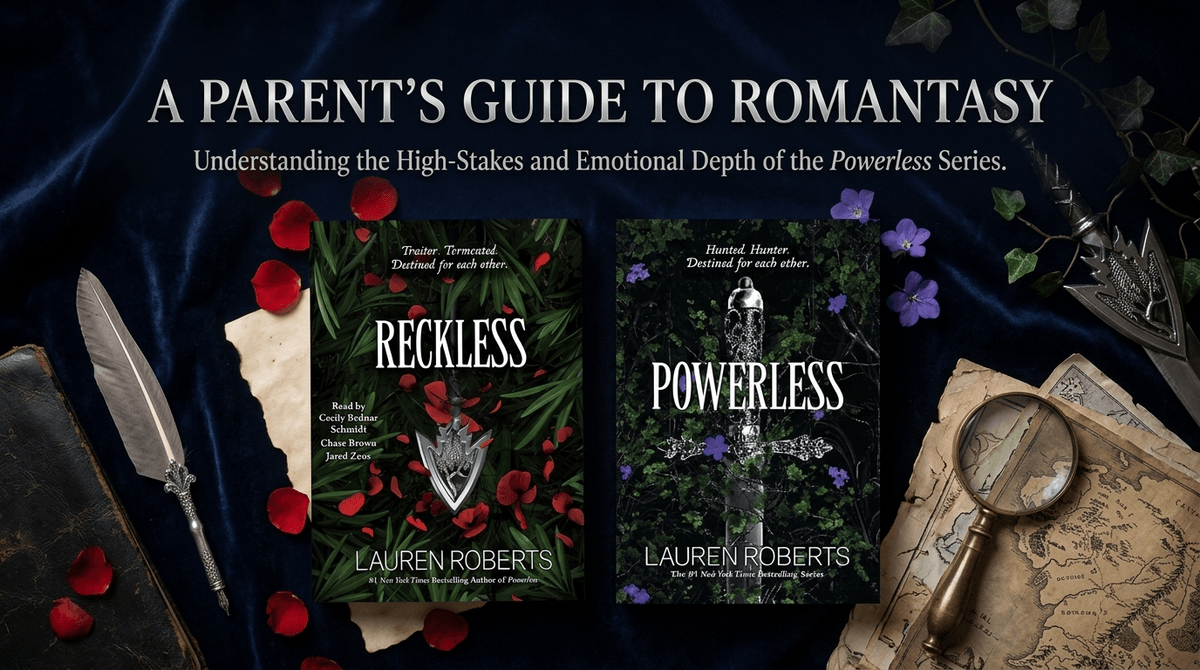
If your teen is asking for this book, they probably didn't find it on a library shelf—they found it on a "Books that destroyed me" TikTok compilation. Reckless is the second entry in a trilogy that has basically become the flagship for the "Romantasy" genre for the younger crowd. It’s fast, it’s dramatic, and it leans heavily into the tropes that make social media algorithms go wild.
The story picks up right where the first book left off. Paedyn is on the run after killing the King, and Kai—the guy she has a very complicated, very lethal crush on—is the one sent to hunt her down. Most of the book takes place in the Scorches and the city of Dor. It’s essentially a long, high-stakes chase sequence where the two leads spend as much time trying not to kiss each other as they do trying not to kill each other.
Decoding the "spice" factor
The biggest question parents usually have about this series involves the "spice" level. In the world of modern YA, "spicy" is often used as a marketing term to signal romantic intensity. In Reckless, this mostly translates to tension. We’re talking about pages of longing glances, near-misses, and heavy dialogue.
If you’re worried about whether the content is too mature, our parent's guide to Reckless breaks down exactly where the line is drawn between YA romance and adult fiction. Generally, it stays in the "passionate but not graphic" lane, making it a safe enough bet for high schoolers who are already fans of series like The Hunger Games or Fourth Wing. It’s more about the feeling of the romance than explicit descriptions.
Why it works (and why it’s "mid" for some)
From a literary standpoint, Reckless isn't trying to win a Pulitzer. The world-building is a bit thin, and the plot can feel like a series of excuses to get Kai and Paedyn into the same room. But for a teen reader, those flaws are often features. The pacing is relentless. It reads like a TV show designed for binge-watching, which is exactly why it’s so effective at getting kids to put down their phones and actually finish a 400-page book.
The dynamic between the "Ordinary" resistance and the "Elite" ruling class provides just enough thematic weight to keep the story from feeling shallow. It touches on social hierarchy and the idea of "duty" without getting bogged down in dense political theory.
If they liked the first one, they’ll love this
This isn't a standalone story. If your kid hasn't read the first book, they will be completely lost. If they have, be prepared for the cliffhanger. Lauren Roberts knows her audience, and she ends this installment on a note that practically guarantees they’ll be asking for the third book the second it’s available.
If you’re looking for a way to engage, ask them about Kai. He’s the classic "villain with a heart of gold" archetype that dominates teen media right now. Discussing whether he’s actually a "bad guy" for following his brother Kitt’s orders is a great way to talk about morality and agency without making it feel like a lecture.