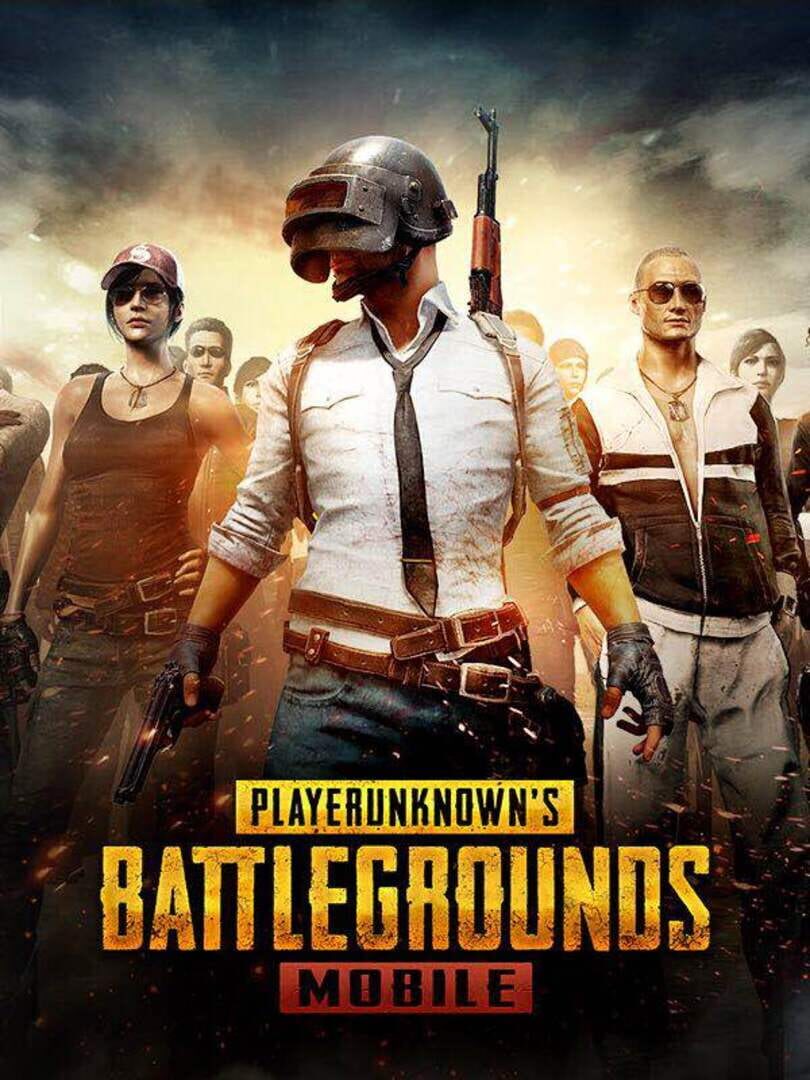
While the rest of the world was busy building wooden towers in Fortnite, PUBG Mobile carved out a space for the kids who wanted something that felt a bit more real. It’s the digital equivalent of a high-stakes paintball match played across a massive, abandoned island. There are no dance emotes or neon skins here that feel "kiddy"—this is a gritty, tactical survival simulator that just happens to live on a phone.
The Tension is the Point
The reason your teen is likely glued to the screen isn't just the shooting; it's the dread. A typical match starts with 100 players and a vast map. For the first ten minutes, they might not see a single soul. They’re scavenging for boots, helmets, and a decent scope. But as the "blue zone" shrinks, the game forces everyone into a smaller and smaller circle.
This creates a specific kind of pressure. One minute they’re driving a jeep through a field, and the next, they’re prone in tall grass, heart racing, because they heard a footstep in the house next door. It’s a masterclass in spatial awareness. If you want to understand the appeal, watch them in the final five. The silence in the room will be heavy.
The Social Wild West
While the gameplay is solid, the social layer is where things get messy. Because this is a massive hit in the world of Console-Free Gaming, the player base is global and unfiltered.
The squad system is designed for coordination. To win, you need to tell your teammates where the sniper is or when to move. When your kid plays with school friends, it's a great exercise in teamwork. When they "auto-match" with random strangers, they are essentially walking into a global chat room with no moderator. You will hear everything from tactical callouts to aggressive trash talk in languages you don’t recognize. If they’re going to play, the "friends only" rule for voice chat isn't just a suggestion—it’s the only way to keep the experience from becoming toxic.
PUBG vs. The Competition
If your kid is graduating from Roblox or looking for something more "grown-up" than Fortnite, this is the logical next step. It’s less about "twitch" reflexes and more about patience.
- Fortnite is about building and frantic movement.
- PUBG Mobile is about positioning and camouflage.
- Call of Duty Mobile is about fast-paced, arcade-style shooting.
PUBG is the slowest of the bunch, which is why it appeals to kids who like strategy over pure chaos. It’s a "thinking person's" shooter, even if the end goal is still being the last person standing. For a deeper look at the mechanics, check out our Parent’s Guide to PUBG.
Making it Work
The biggest friction point you’ll hit isn't the violence—which is relatively bloodless—but the time commitment. You cannot "pause" a battle royale. If they quit mid-match, they let their squad down and lose their ranking. A full match can run 25 to 30 minutes. If you’re calling them for dinner when there are only 10 players left, you’re asking them to throw away a half-hour of intense effort.
The move here is to treat it like a sports practice. Check the "players remaining" count before you tell them to shut it down. If the number is low, they’re almost done. If it’s at 90, they just started and can safely exit without losing much. It’s a small concession that acknowledges the competitive weight the game carries for them.