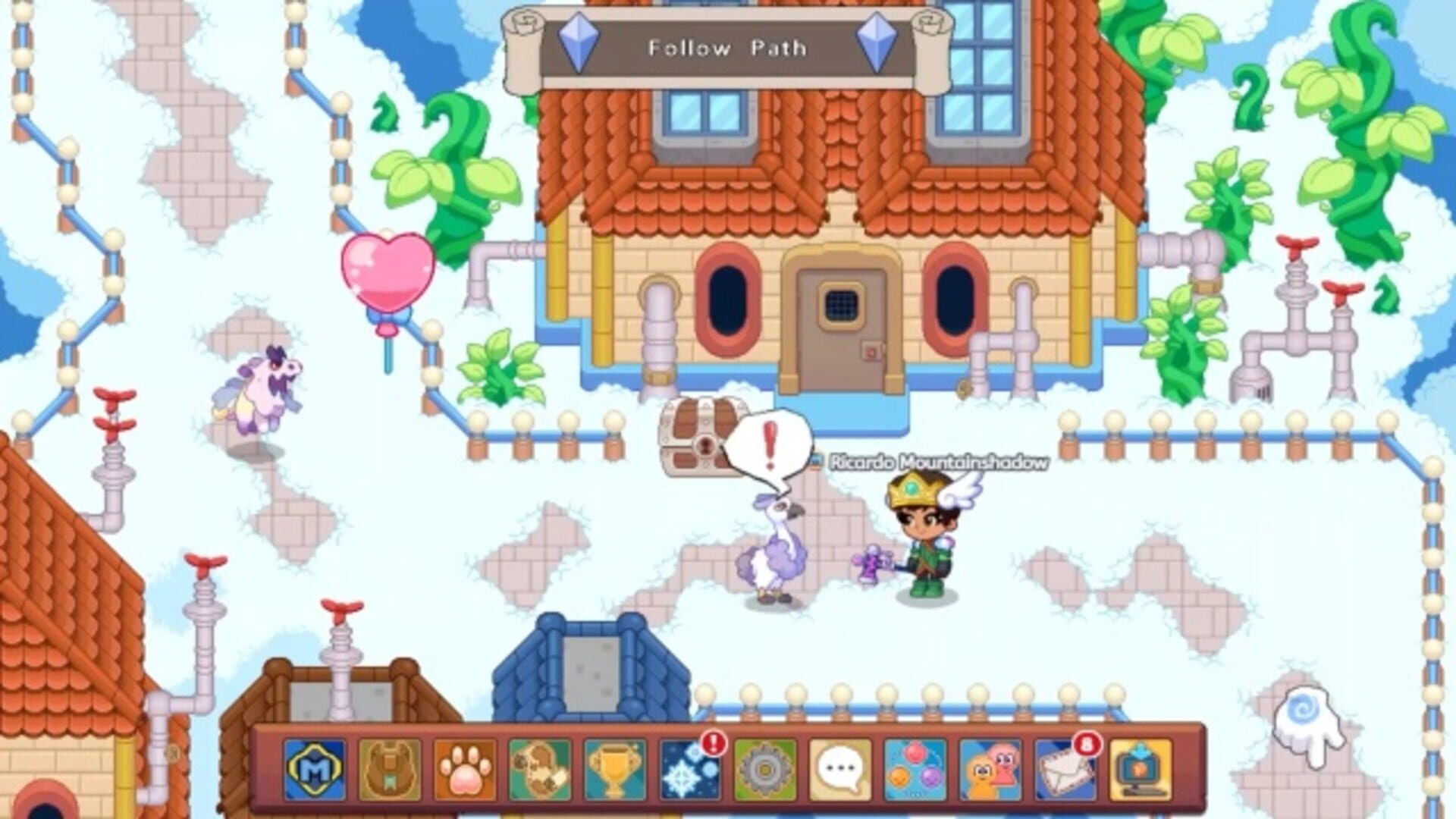
If you’ve seen a child hunched over a school Chromebook looking suspiciously like they’re playing a bootleg version of Pokémon, they are almost certainly on Prodigy Math. Since its release in 2015, this game has become the default "reward" in elementary classrooms across the country. It works because it speaks the language of modern gaming—pets, loot, and turn-based combat—but the educational value is often a secondary thought.
The Pokémon-Style Hook
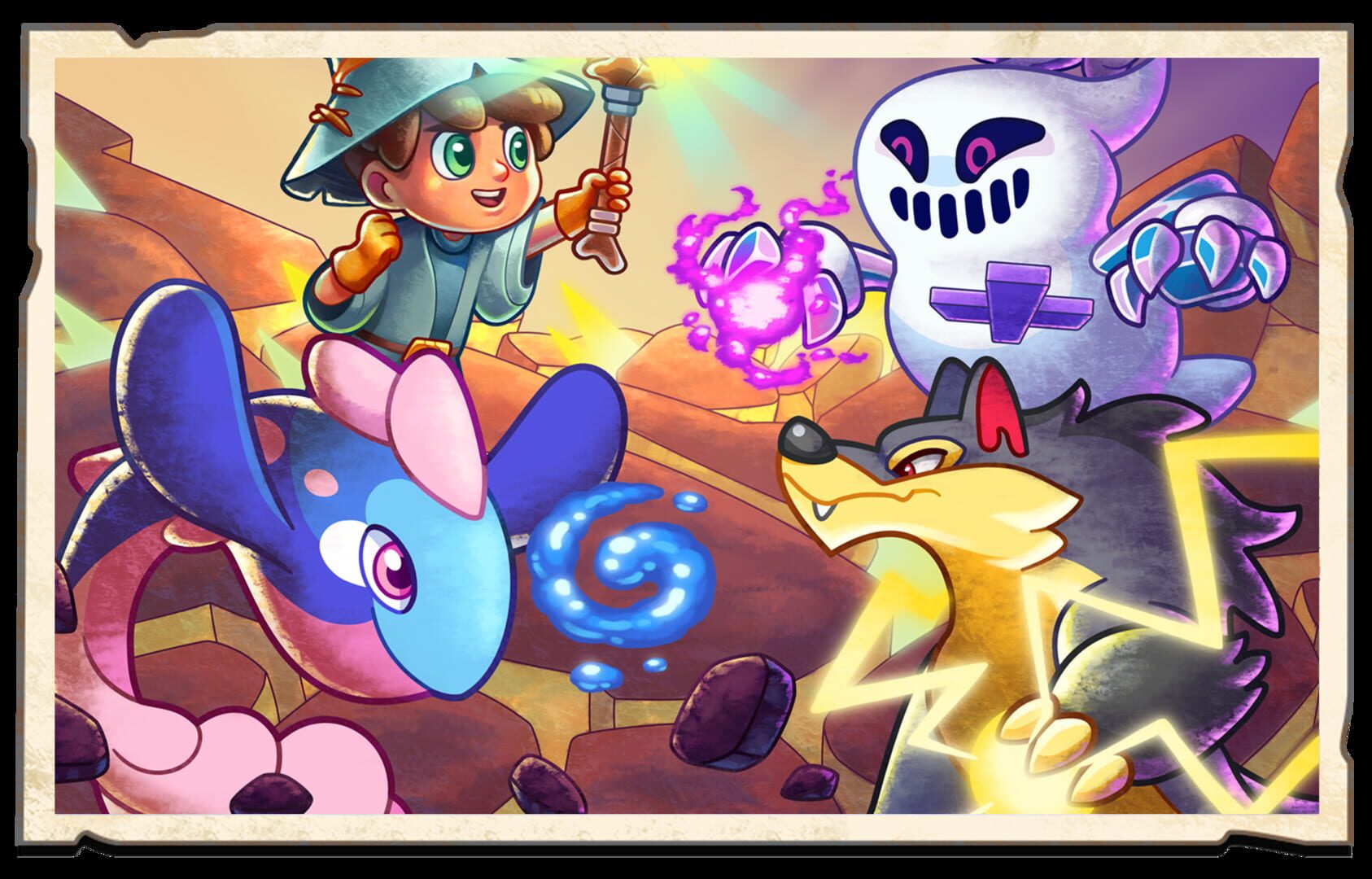
The core loop is simple. You create a wizard, wander a 2D fantasy world, and engage in "battles" with monsters. To cast a spell or land a hit, you have to answer a math question. For a seven-year-old, this is compelling stuff. They aren't just doing subtraction; they’re using subtraction to blast a forest creature with a fireball.
The genius of Prodigy Education was realizing that if you wrap flashcards in a monster-collection RPG, kids will do the flashcards voluntarily. It’s the ultimate "broccoli covered in chocolate" strategy. However, the chocolate and the broccoli never actually mix. The math problems are essentially a toll booth. You stop the fun, solve a problem that exists in a vacuum, and then get back to the game. It doesn't teach math concepts so much as it tests your ability to recall them quickly.
The Membership Pressure Cooker
The biggest point of friction isn't the math—it’s the social engineering. Prodigy Math is technically free, but the "free" experience is designed to feel restrictive. While playing, your child will constantly see other players with cooler pets, better gear, and flashier houses. When they try to click on those items, they’re met with a prompt to upgrade to a paid membership.
This creates a specific kind of FOMO that is hard for elementary-age kids to navigate. They feel like "second-class citizens" in a virtual world their friends are also inhabiting. If you’re looking for educational apps that actually teach vs. digital busywork, this marketing-heavy approach is the biggest red flag to consider.
Better Ways to Play
If your kid is already obsessed because their teacher assigned it, you don't need to ban it. It’s safe, it’s quiet, and they are technically practicing math facts. But if you are looking for a tool to actually help them understand why 1/4 is smaller than 1/2, this isn't it.
For parents who want to move away from the "toll booth" model of learning, we’ve ranked better options in our guide to the 12 best math apps for kids. Apps like DragonBox or Math Tango do a much better job of making the math part of the actual gameplay mechanics.
If you decide to stick with Prodigy Math, treat it like a video game that happens to have a few pop-quizzes, rather than a primary teaching tool. It’s great for building "math stamina" and speed, but it’s a poor substitute for actual instruction. If you have a younger child just starting out, you might find more success with our picks for apps for elementary school that prioritize learning over upselling.