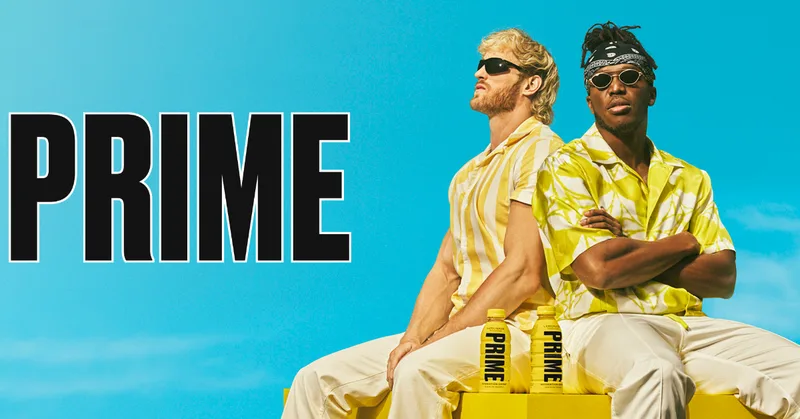
The Influencer Economy in a Bottle
Prime isn't just a drink; it's a case study in how modern celebrity works. Logan Paul and KSI didn't just launch a product; they launched a lifestyle brand that exploits the parasocial relationships they've built with millions of kids. When a kid asks for Prime, they aren't asking for electrolytes; they're asking for a piece of the Logan Paul universe.
From a nutritional standpoint, it’s a bit of a mixed bag. It has more electrolytes than a standard Gatorade, but it achieves its low calorie count through artificial sweeteners like sucralose. For an active kid after a soccer game, it's a decent way to rehydrate without a sugar crash. But for a kid sitting on the couch watching YouTube, it's just expensive, neon-colored water.
The Energy Drink Problem
The biggest friction point for parents is the Prime Energy line. Several countries and school districts have banned it because the caffeine content is astronomical for a minor. Because the brand uses the same color schemes and logos for both lines, it is incredibly easy for a well-meaning parent (or a confused kid) to grab the wrong one. If you're going to let your kid participate in the Prime hype, make sure you're buying the bottles, never the cans.
"The problem isn't the hydration drink; it's the brand's refusal to clearly differentiate a high-stimulant product from one marketed to children."
If your kid is obsessed with the 'collectibility' of the bottles, that's a great time to talk about how marketing creates artificial value. It’s a drink, not an investment.