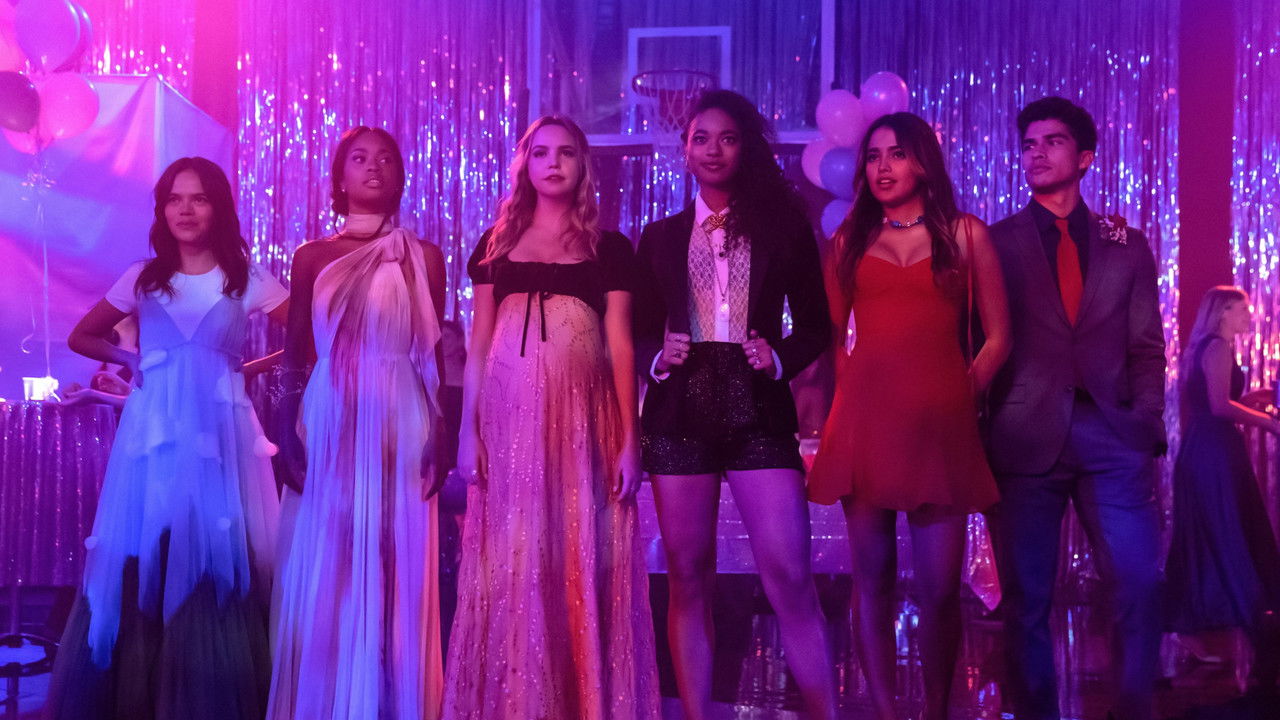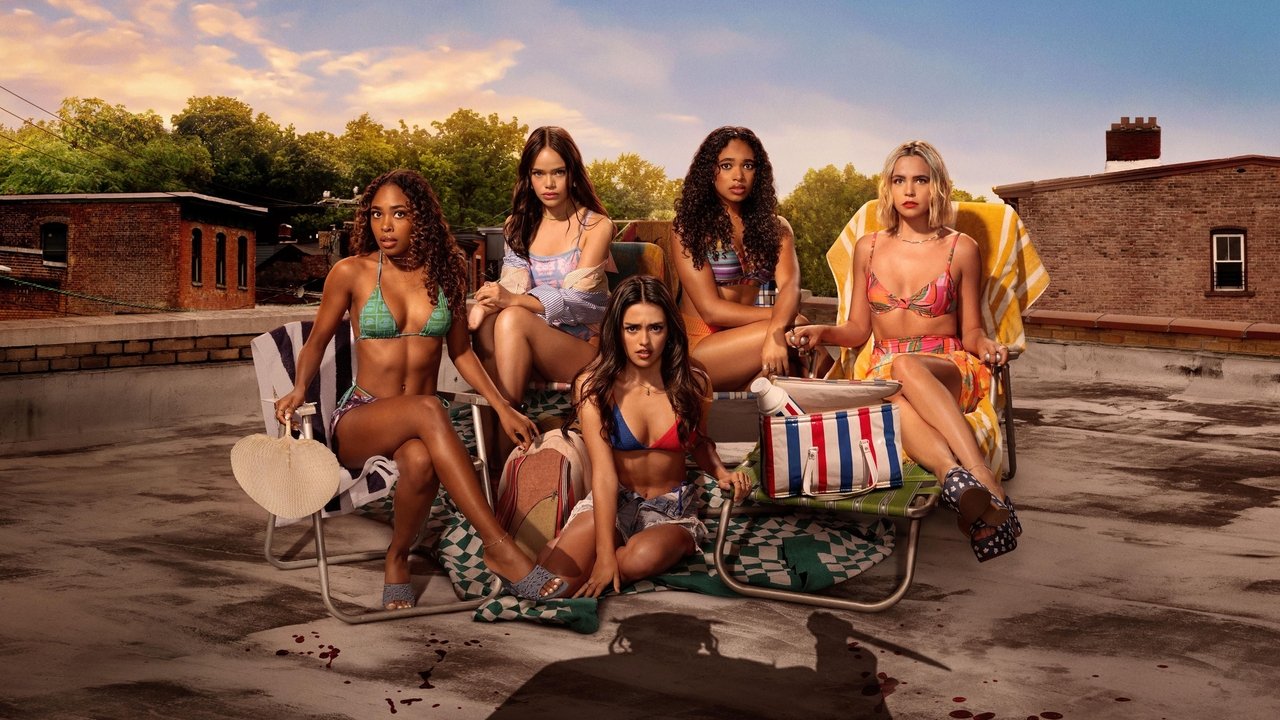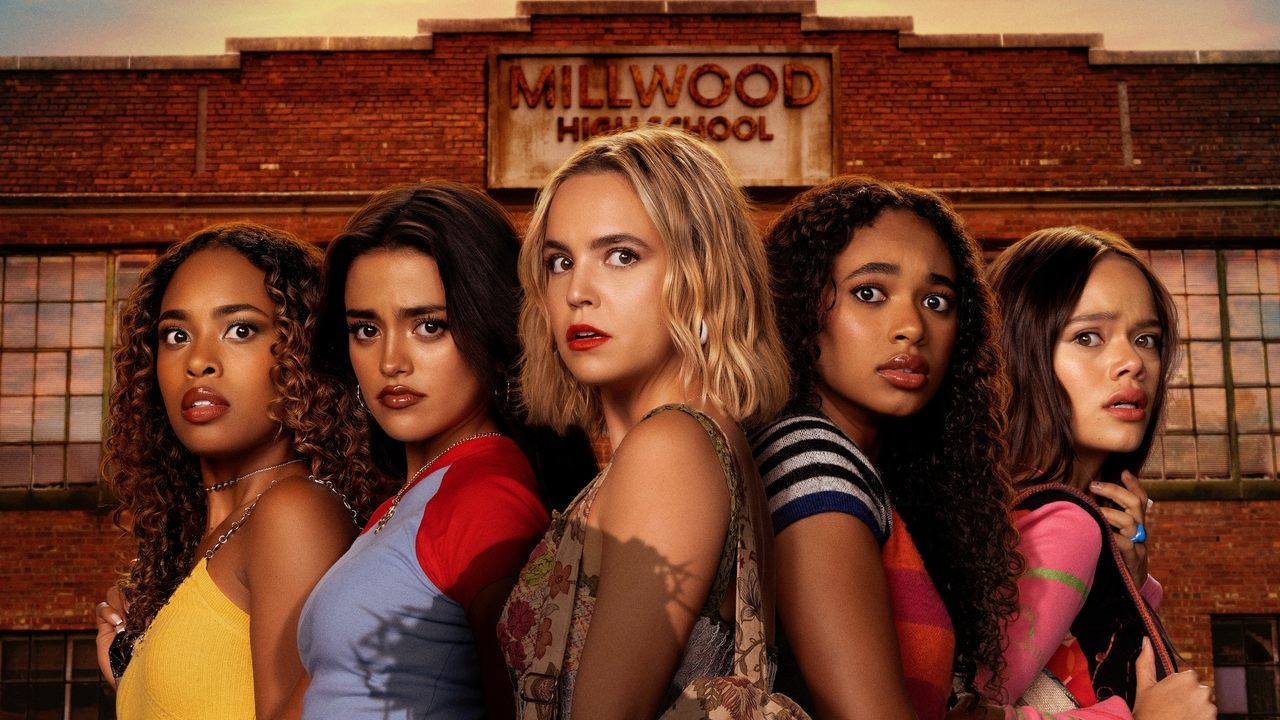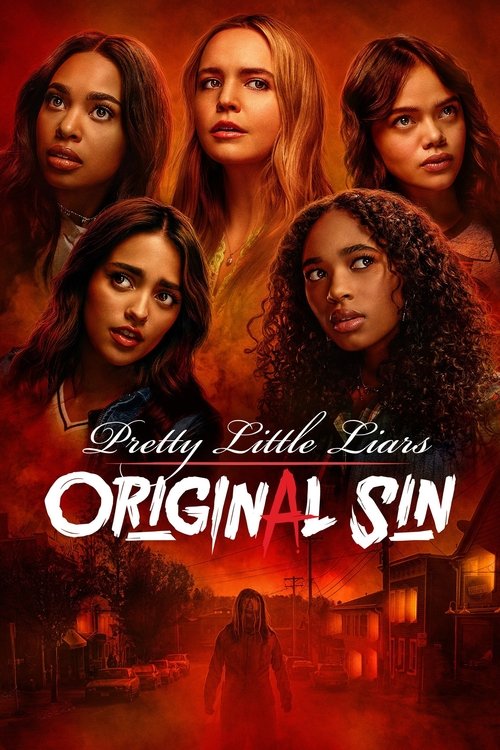

If you grew up with the original Pretty Little Liars, wipe that memory bank clean. The 2010 version was a soap opera with a mystery problem; Summer School is a slasher movie with a mystery problem. It leans heavily into the "Final Girl" tropes of 80s horror, where the stakes aren't just a leaked secret—they're survival.
The horror sequel vibe
This season picks up the baton from Original Sin and runs straight into the woods. While the first season established the "A" mystery in Millwood, Summer School doubles down on the campy aesthetic. It feels less like a teen drama and more like a long-form homage to Friday the 13th. The show is self-aware about this, often winking at the audience through its "Final Girl" themes.
Critics have noted that it manages to feel fresh in a crowded market, though some fans on Reddit find the logic a bit strained. Specifically, the classic horror trope where characters refuse to go to the police is in full effect here. If your teen is watching this, they might roll their eyes at the decision-making, but that’s part of the genre’s DNA. It’s less about realism and more about the isolation required to keep the tension high.
Why it sticks the landing
The "Summer School" subtitle isn't just a setting; it's a pressure cooker. By forcing the characters into a summer school environment, the show traps them in a way that feels organic to the teen experience while keeping the Assailant close by.
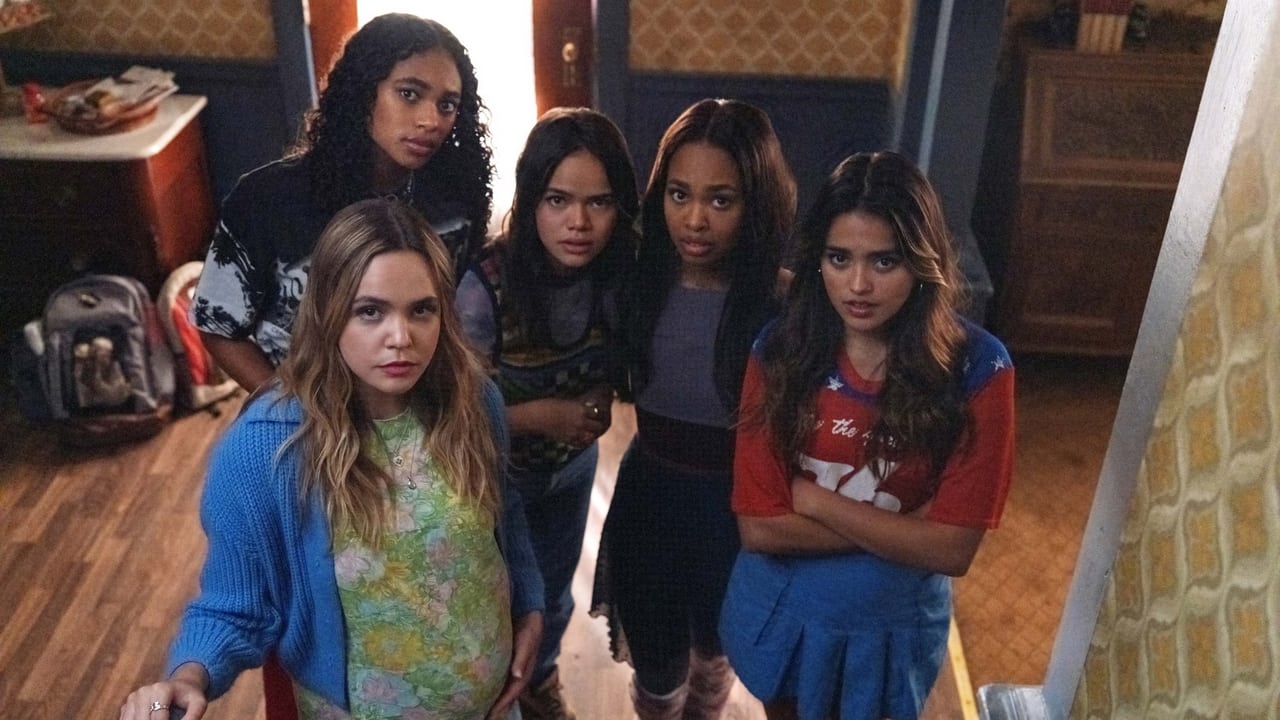
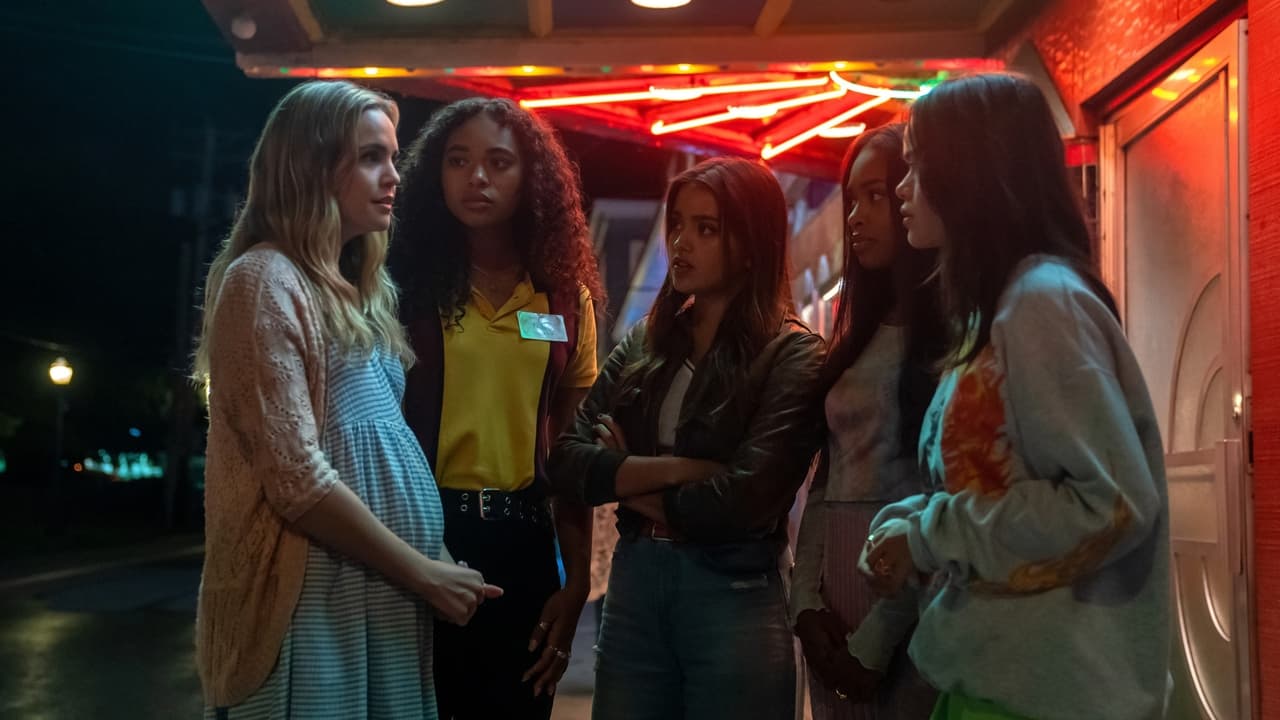
What makes this iteration work better than other recent reboots is the focus on the core group's bond. In the original series, the girls were often keeping secrets from each other. Here, they are a united front. This shift changes the calculus for parents: it moves the show away from "mean girl" toxicity and toward a story about resilience and shared trauma. If you’re trying to navigate the teen mystery craze, this is a prime example of how the genre has evolved from catty secrets to high-stakes horror.
The logic of the "Final Girl"
If your teen is a fan of the Scream franchise or the Fear Street movies, they will recognize the rhythm here. The show explores the "sins of the parents" in a way that actually gives the characters agency. They aren't just victims; they are actively trying to deconstruct the mystery of why they are being targeted.
Be aware that the intensity is a significant jump from the 2010 series. The deaths are graphic, and the psychological stalking is relentless. It’s a "slasher-fied" version of the brand that prioritizes atmosphere and gore over the polished, "perfect" look of the original. It’s gritty, it’s often loud, and it’s unapologetically a horror show first and a teen drama second.