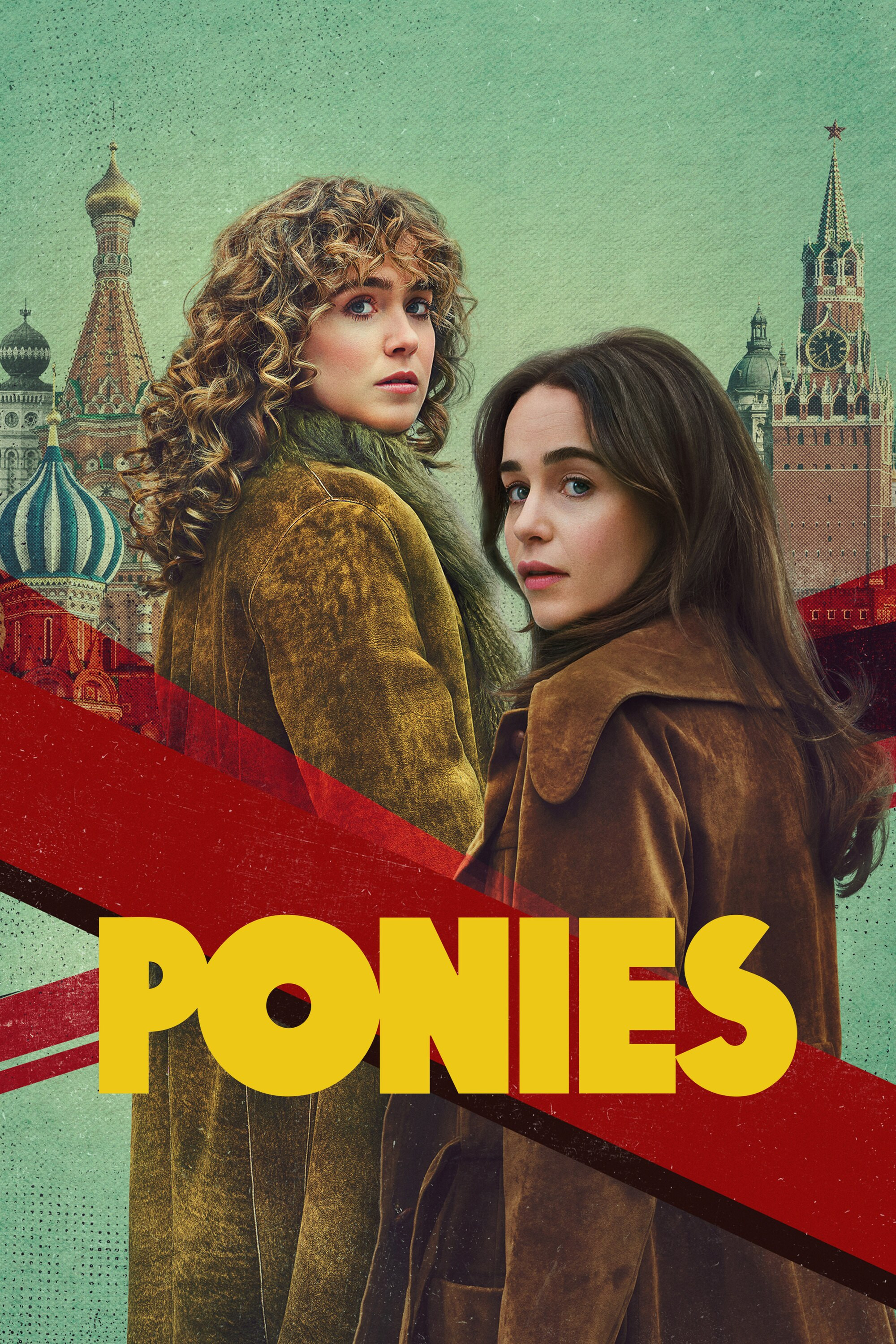
The 96% critic score on Rotten Tomatoes suggests we’re looking at a masterpiece, but the 6.9 IMDb rating is the more honest number for most viewers. Ponies is a specific flavor of television. It doesn’t rely on high-speed chases or gadgets that belong in a sci-fi movie. Instead, it leans into the claustrophobia of 1977 Moscow, where the biggest threat isn't a double agent with a gun, but a neighbor who notices you’re wearing a slightly too-nice coat.
The "Invisibility" Power Trip
The show’s central hook—that "Persons of No Interest" make the best spies—is handled with a refreshing amount of cynicism. Emilia Clarke and Haley Lu Richardson aren't playing highly trained assassins who happened to be housewives; they are grieving women who realize that the very thing making them miserable (being ignored by society) is their greatest tactical advantage.
If your teen is used to the "girl boss" trope where a protagonist is immediately perfect at everything, Ponies will be a jarring, healthy pivot. These characters mess up. They get scared. They are often out of their depth, which makes the moments they actually succeed feel earned rather than scripted. Richardson, in particular, brings a "fizz" that keeps the show from sinking under its own historical weight. Her energy serves as a necessary foil to the grey, oppressive atmosphere of the Soviet setting.
Why the "Boredom" Risk is Real
The 15+ age rating is less about graphic content and more about the cognitive load. This is a show about conversations in dimly lit rooms and the subtle art of not being noticed. If a kid is coming off a binge of high-octane superhero content, they might find the first two episodes of Ponies agonizingly slow.
The "friction" here is the pacing. It’s a slow-burn mystery that expects you to remember names, faces, and political motivations from thirty minutes prior. It’s the kind of show that rewards active watching. If you’re scrolling through your phone while it’s on, you will lose the plot by the first commercial break.
The Cold War Context
For a teen who is into history or politics, this is a goldmine. It captures a version of the Cold War that feels lived-in and gritty. It’s a great entry point for discussing how information was moved before the internet, or how gender roles were weaponized in international espionage.
If you’re looking for a comparison, think of it as a more grounded, female-led version of a classic Le Carré thriller. It’s about the cost of secrets and the weight of grief, wrapped in a very stylish 1970s package. It’s smart, it’s demanding, and if you can get past the deliberate pace of the opening episodes, it’s one of the most rewarding dramas on Peacock right now. Just don't expect a shootout to solve the problem in the final act.