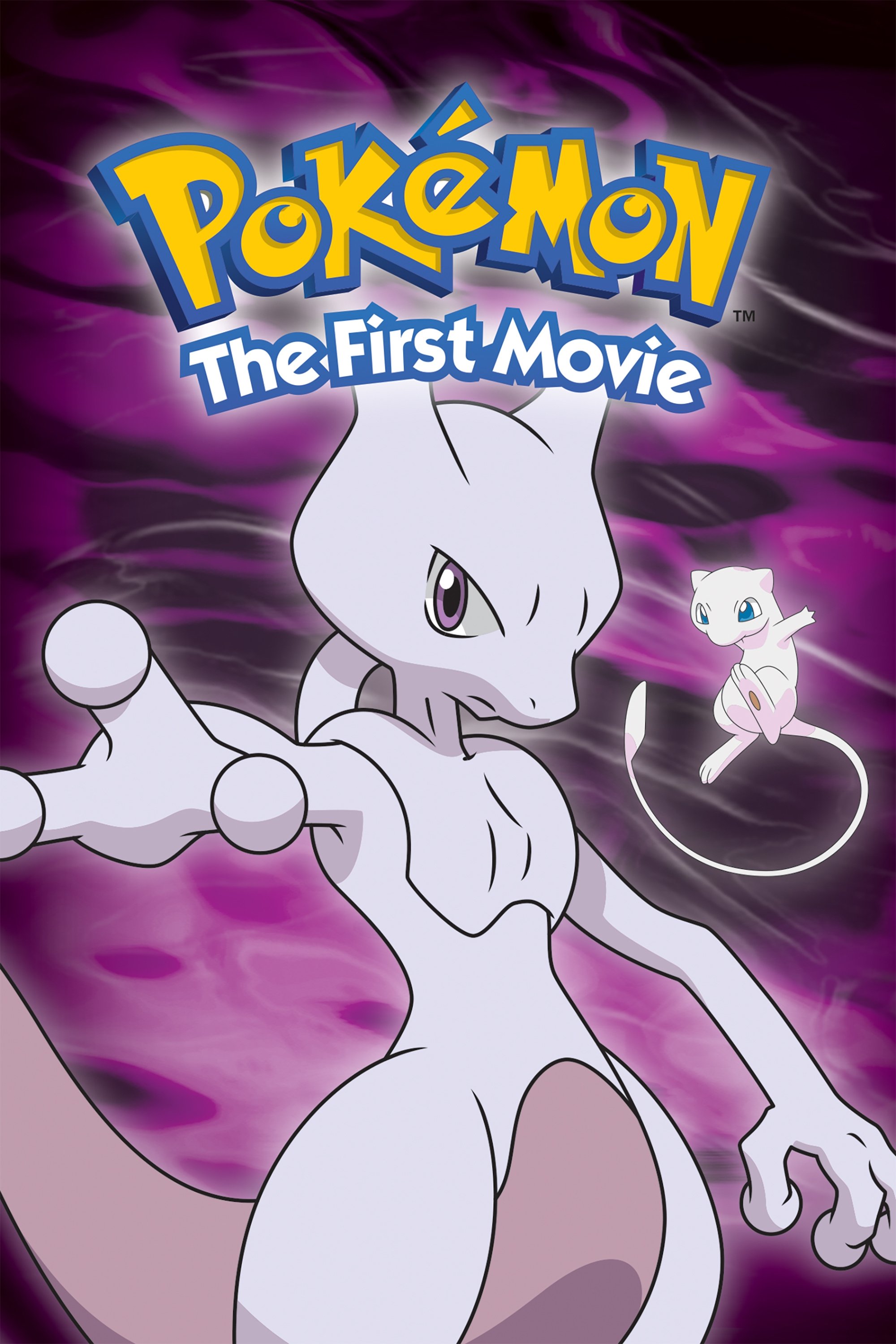
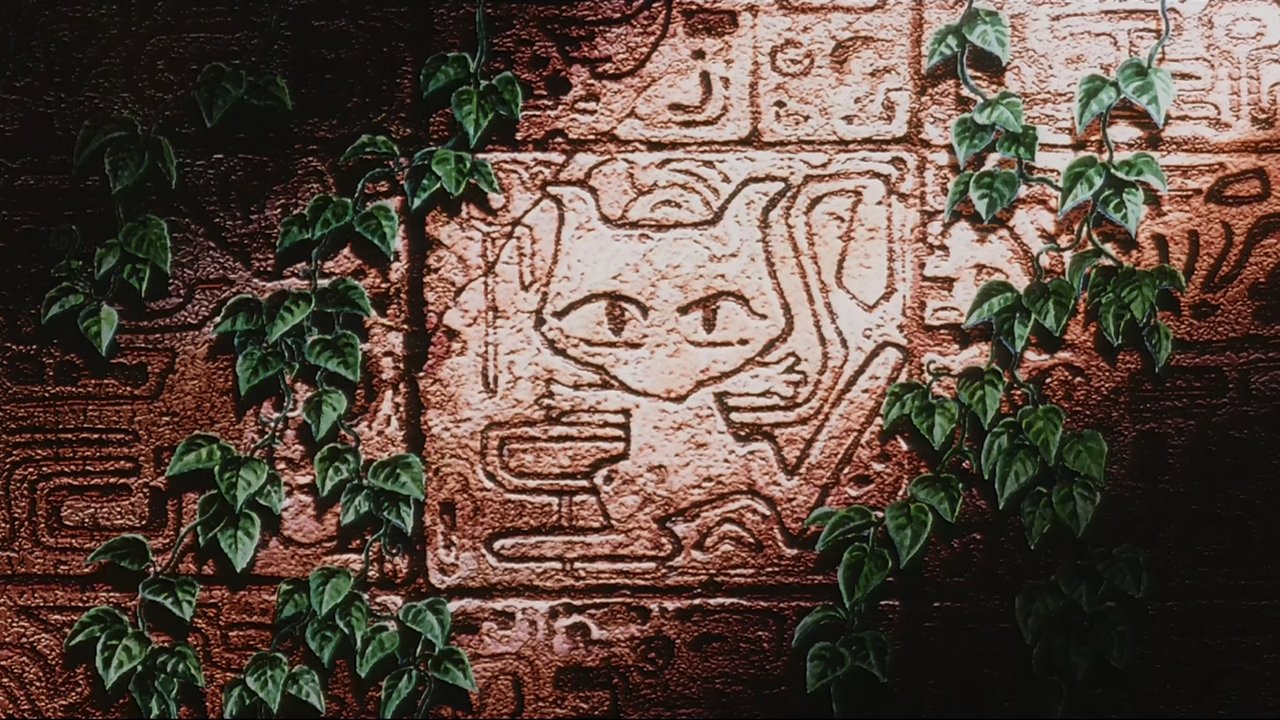
It’s May 2026, and with Pokémon’s 30th anniversary in full swing, you’re probably seeing Pikachu everywhere from cereal boxes to Pokémon Night Out events. This movie is the "Year Zero" for that global takeover. But looking at the data, the gap between critics (17%) and fans (77%) is a canyon. Critics saw a shallow, cynical cash-in; fans saw a Shakespearean tragedy starring a psychic cat.
The Critic vs. Fan Divide
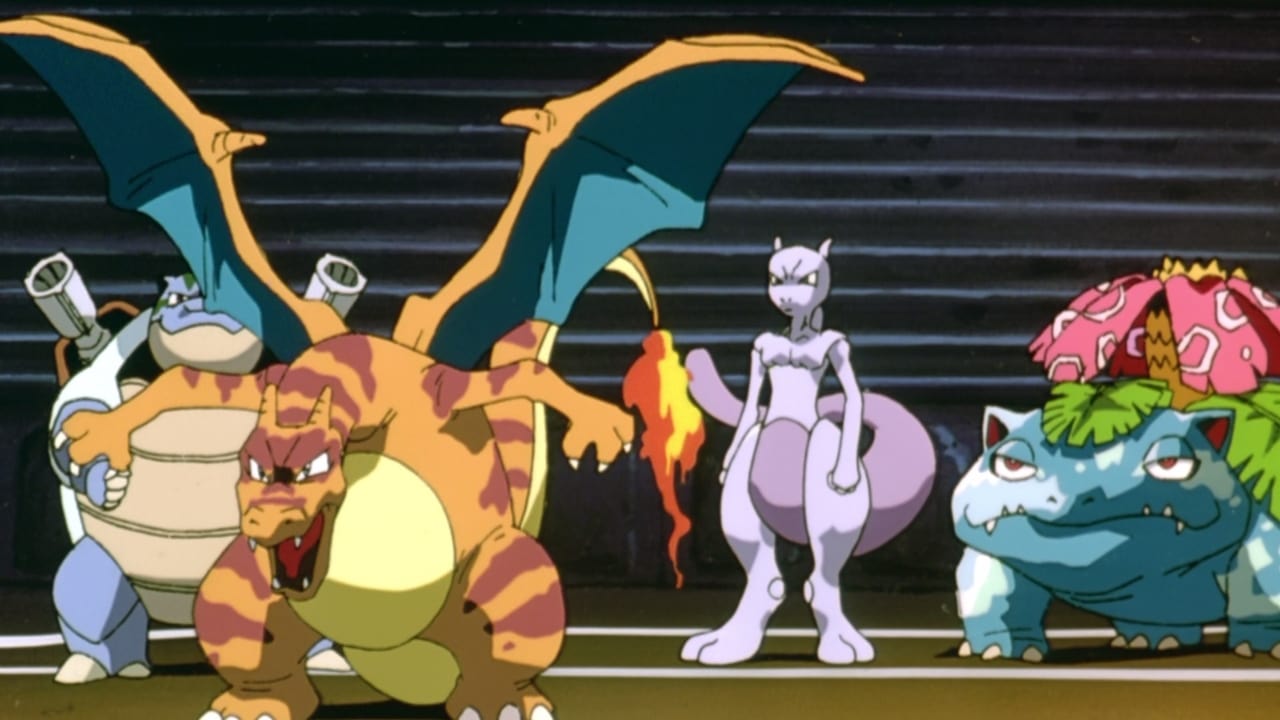
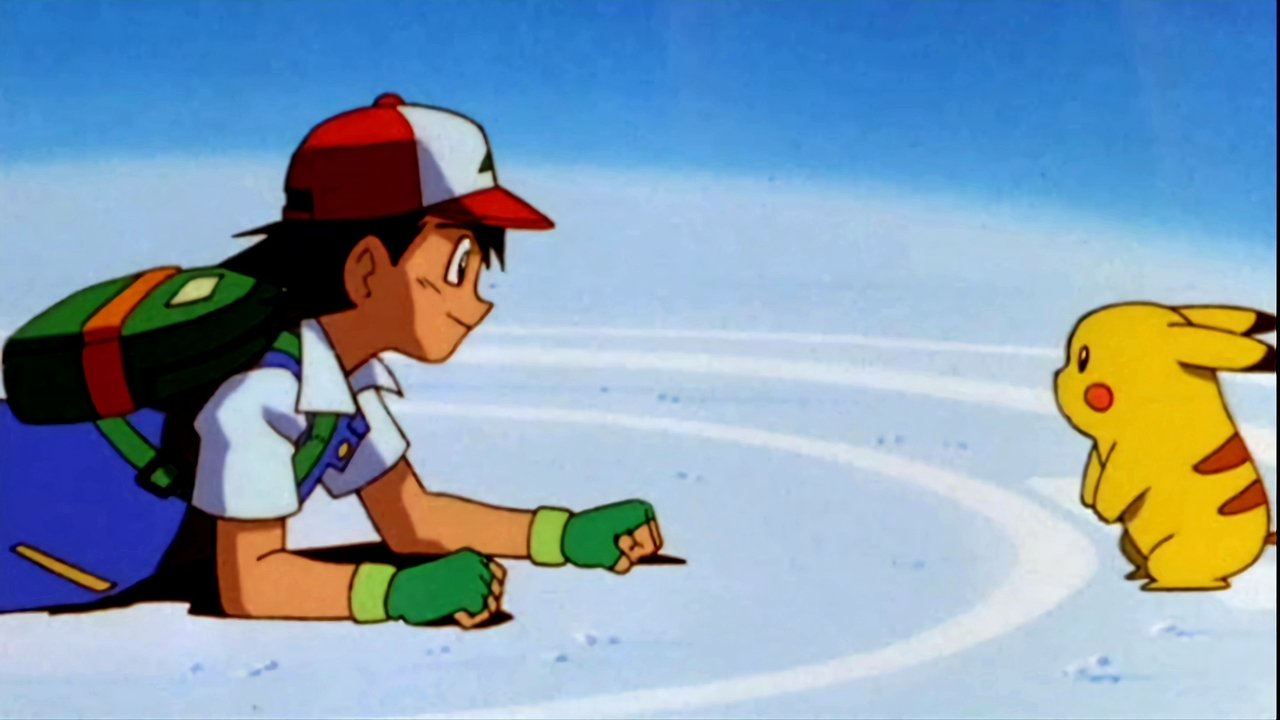
The animation is the first hurdle. It’s strictly 1998 TV-budget quality. If your kids are used to the vibrant, fluid style of The Casagrandes Movie, they’re going to notice the static backgrounds and the way characters sometimes look like they were drawn on a napkin. It lacks the polish of a modern blockbuster, but it makes up for it with a weirdly dark, existential plot.
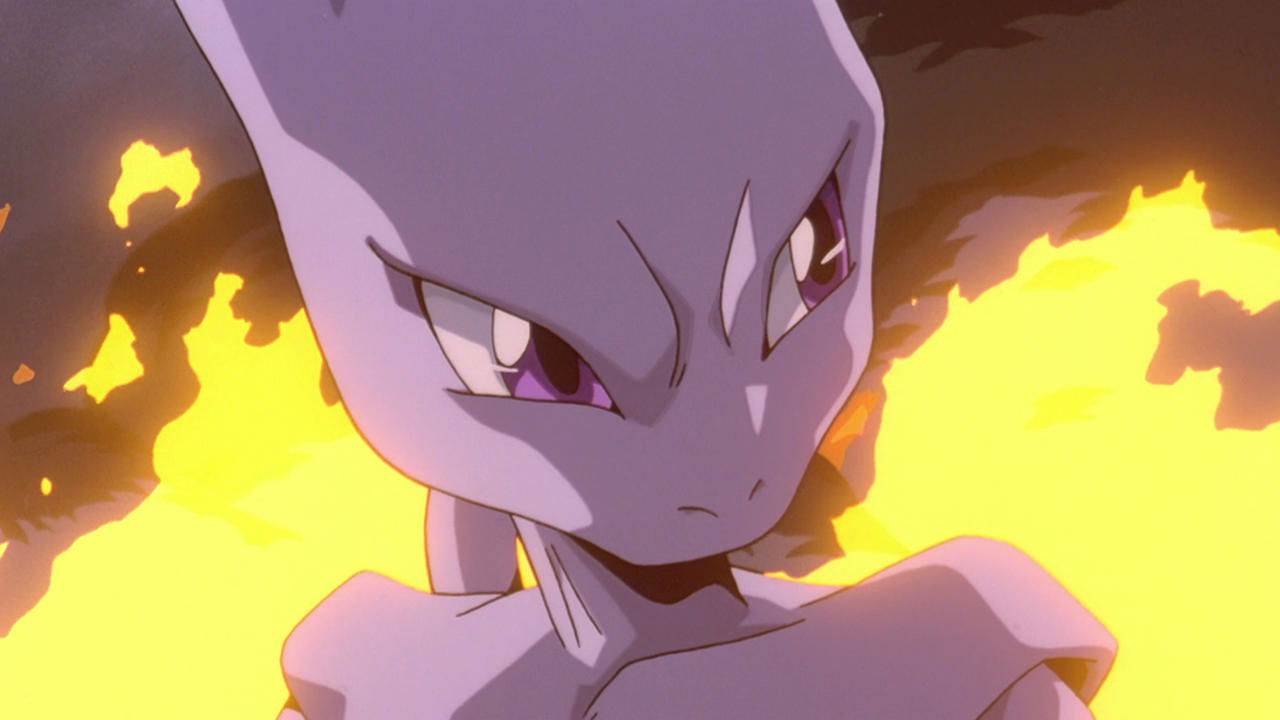
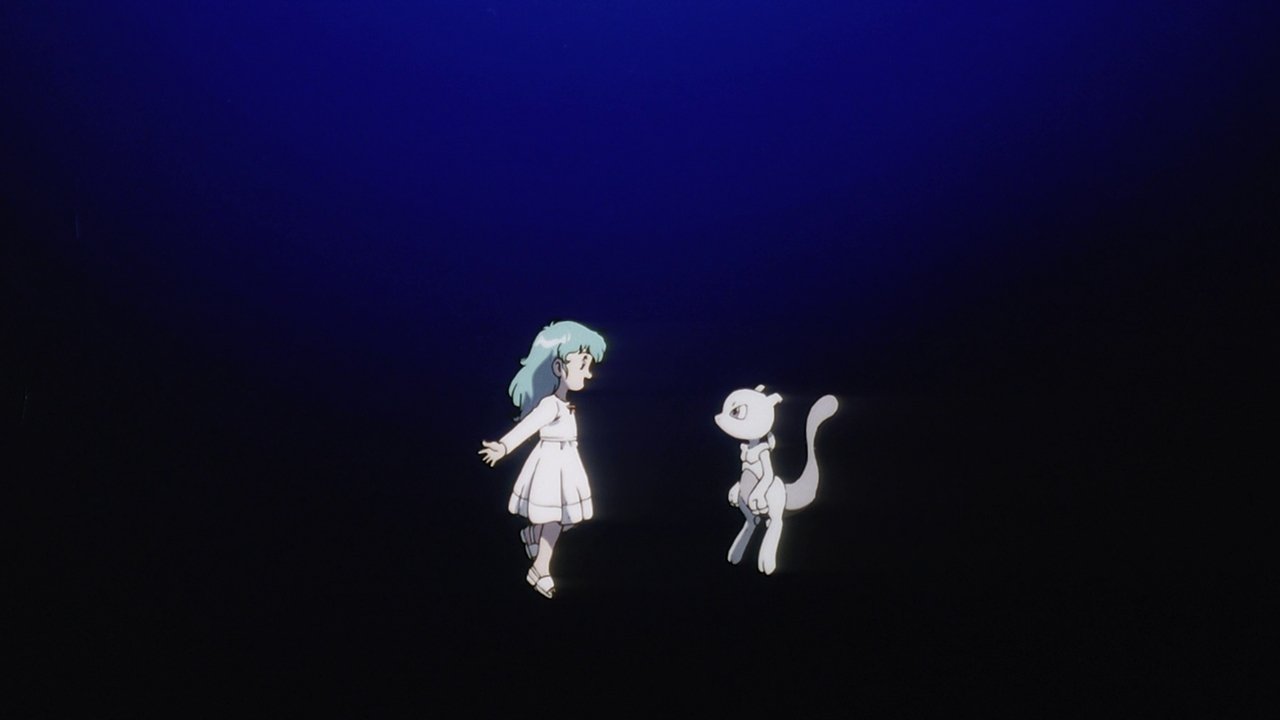
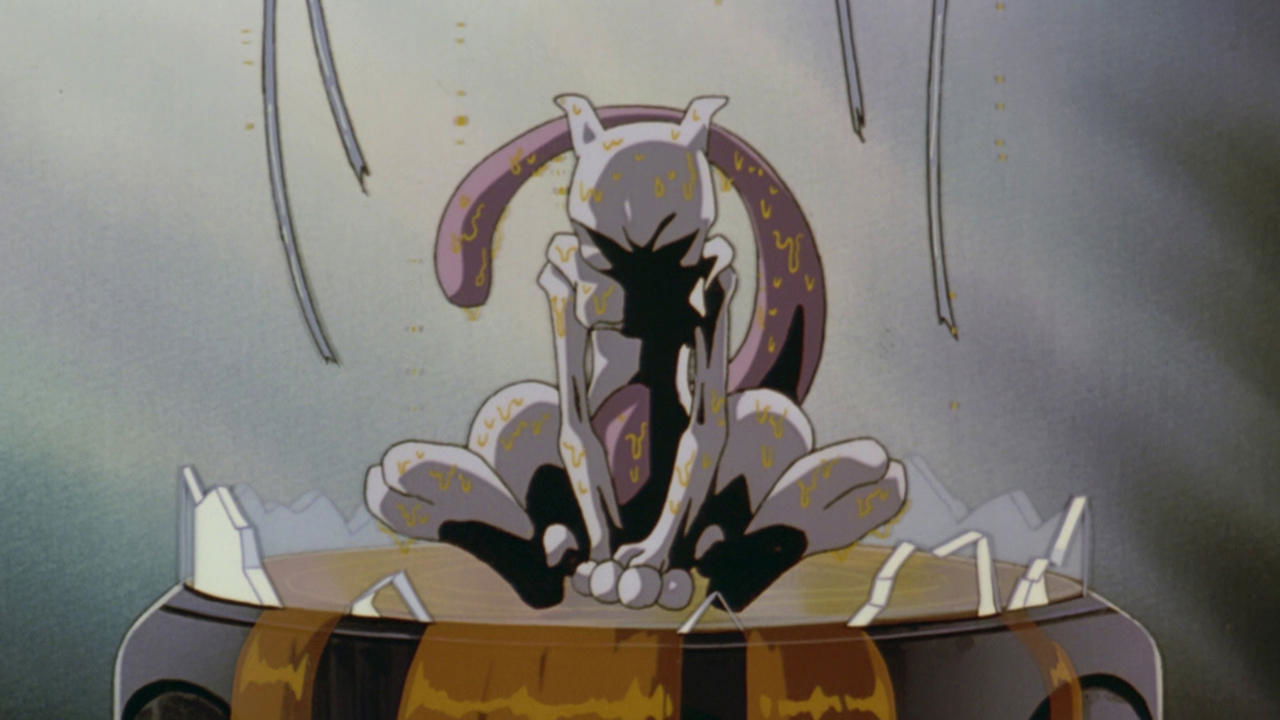
Critics like Roger Ebert weren't wrong about the thin characters, but they missed why this worked. For a kid, this wasn't just another episode; it was the first time the stakes felt permanent. When Mewtwo shows up, he isn't a bumbling Team Rocket villain. He’s a bio-engineered clone struggling with his own identity. That’s a heavy lift for a movie that also features a talking cat in a suit.
The Logic Gap
The movie's big "fighting is wrong" message is famously hypocritical. It spends 70 minutes telling you that making creatures fight for sport is cruel, while the entire multi-billion dollar franchise is built on exactly that. Most kids won't care about the logic gap, but they will care about the emotional climax.
When the Pokémon stop using their powers and just start hitting each other out of pure exhaustion, it gets uncomfortable. If your child is highly empathetic, that scene—and the subsequent "crying" scene—is the part you’ll be talking about for the rest of the week. It’s the one moment where the movie stops being a product and starts being a legitimate tear-jerker.
How to Watch it Now
If you are revisiting this for a nostalgia night, be prepared for the pacing. It moves at the frantic speed of Saturday morning television. There is no "slow build." It just throws you into the deep end of the lore.
- Skip the preamble: Unless your kid is a completionist, the short film that usually precedes this is mostly fluff.
- Talk about the cloning: Kids today are much more tech-literate; they might have more questions about how Mewtwo was "made" than kids did in the 90s.
- Manage expectations: Remind them this was made before the Switch, before 4K, and before there were a thousand different Pokémon to track.
It’s a relic, but it’s a fascinating one. It captures a specific moment in time when a card game became a global religion. Watch it for the historical context, or just to see if you still get misty-eyed when the clones start fighting.