Phylo

game

WISE
86%

WISE Score

A science-powered puzzle game where your kid's pattern-matching skills actually help researchers study genetic diseases—no joke.

Where to Play

Platform availability info not available. Search for "Phylo" on your preferred gaming platform.

Screenwise Verdict

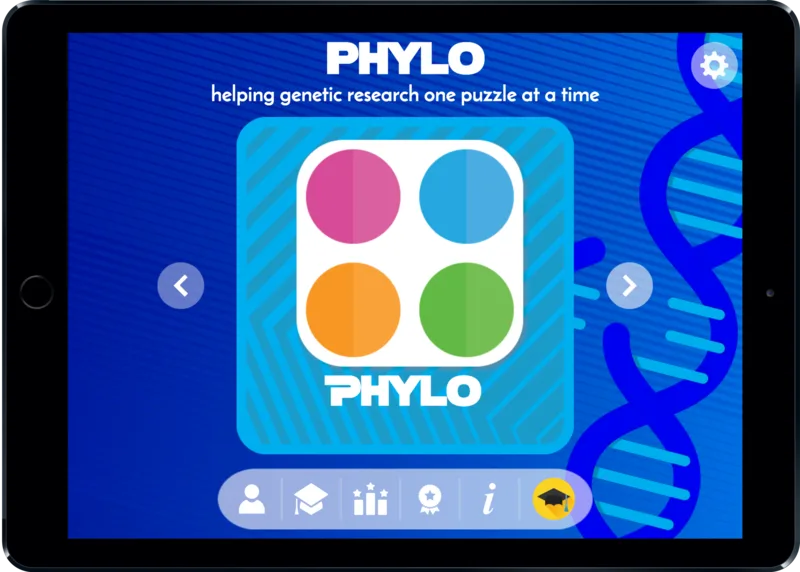
Phylo is that rare game where 'educational' doesn't mean 'boring'—it's a legitimate citizen-science project dressed up as a puzzle game. The mobile app lets even preschoolers slide colored tiles to align DNA sequences, and every solved puzzle contributes to real genetic research at McGill. The trading card version is more strategic, teaching food webs and biodiversity through gameplay that feels like a cross between Pokémon and ecology class.

The safety profile is spotless: PEGI 3, no ads, no in-app purchases, no chat. The educational value is rock-solid, with lesson plans for teachers and a clear connection to science standards. The catch? It's not going to compete with Fortnite or Minecraft for sheer entertainment—this is a thoughtful, slower-paced game that rewards patience and pattern recognition.

If your kid is into science, puzzles, or the idea of 'helping real researchers,' Phylo is a no-brainer. If they need constant action and explosions, this might feel like homework. But for families looking for screen time that's actually productive, this is one of the best options out there.

Age Fit

The mobile DNA puzzle works for ages 3–10 (with younger kids needing some adult help), while the trading card game is best for ages 8–14. Teens might appreciate the citizen-science angle but will likely move on to more complex games.

WISE Breakdown
Wholesome
92

Both the mobile DNA puzzle and trading card game promote cooperation, scientific curiosity, and contributing to real-world research. No violence, profanity, or mature themes. The citizen-science angle gives kids a sense of purpose and connection to something bigger. Pacing is calm and thoughtful—puzzle-based rather than chaotic.

Imaginative
78

The DNA puzzle is pattern-matching with a scientific twist, which is clever but not deeply creative—you're solving pre-set alignments. The trading card game offers more room for strategic thinking and building food webs, letting kids explore ecosystem relationships. Both formats spark curiosity about genetics and biodiversity, but neither is truly open-ended or construction-focused.

Safe
96

PEGI 3 rating for the app, zero content warnings, and no ads or aggressive monetization (the app is free). The card game has no mature themes beyond scientific terminology. No chat, no social features, no privacy concerns. This is about as safe as educational games get.

Enriching
88

Real citizen-science contribution is a huge win—kids learn pattern recognition, DNA alignment basics, or food-web ecology while helping actual researchers. Aligns with middle-school science standards and comes with teacher lesson plans for K-4. The educational value is front and center, though the entertainment factor is moderate (it's still a puzzle/card game, not a blockbuster).

Parent Info

Why It Might Be Great

  • Real citizen science: kids align DNA sequences (mobile) or build food webs (card game) and contribute to actual research projects at McGill University
  • Zero junk: no ads, no in-app purchases, no violence, PEGI 3 rating—this is as clean as games get
  • Educational without being preachy: pattern recognition, genetics basics, and ecosystem thinking wrapped in a game that doesn't feel like homework
  • Flexible formats: free mobile app for younger kids (3+) and a trading card game for older ones (8+) with teacher lesson plans included
  • Positive user feedback: 4.4 stars on Google Play, praised for bright graphics and the feel-good aspect of helping science

What to Watch For

  • The mobile app needs internet to submit puzzles, and very young kids may need help understanding the scientific context
  • Entertainment factor is moderate—it's a thoughtful puzzle/strategy game, not a high-octane adventure, so some kids may find it slow
  • The card game involves reading and strategic placement; kids under 7 will likely need adult guidance or the simplified K-4 lesson plans

Conversation Starters

  • "What do you think those colored blocks represent? (Hint: they're the building blocks of DNA!)"
  • "If you were building a food web, which animal would you want at the top and why?"
  • "How does it feel to know your puzzle-solving is helping real scientists figure out diseases?"
  • "Which animals in the Phylo card game would survive best if their habitat changed? Let's talk about adaptation."

Ask Anything

Get a personalized guide on any topic