Conversations that actually flow
Most games treat dialogue like a menu at a drive-thru: the world pauses, you stare at three options, and you pick the "nice" or "mean" one. Oxenfree doesn't do that. It uses a "walk-and-talk" system where speech bubbles pop up over Alex’s head while you’re moving. If you don’t chime in, the conversation moves on without you.
This creates a specific kind of pressure that mirrors actual high school social dynamics. You can interrupt people, you can stay silent, or you can try to be the peacemaker. It’s a masterclass in agency. Because the game doesn't stop to wait for you, the relationships feel lived-in and messy. If your teen is used to the stop-and-start nature of older RPGs, this will feel like a breath of fresh air. It’s one of the best examples of how story-based video games can build empathy by forcing you to live with the immediate consequences of a snarky comment.
The radio is the star
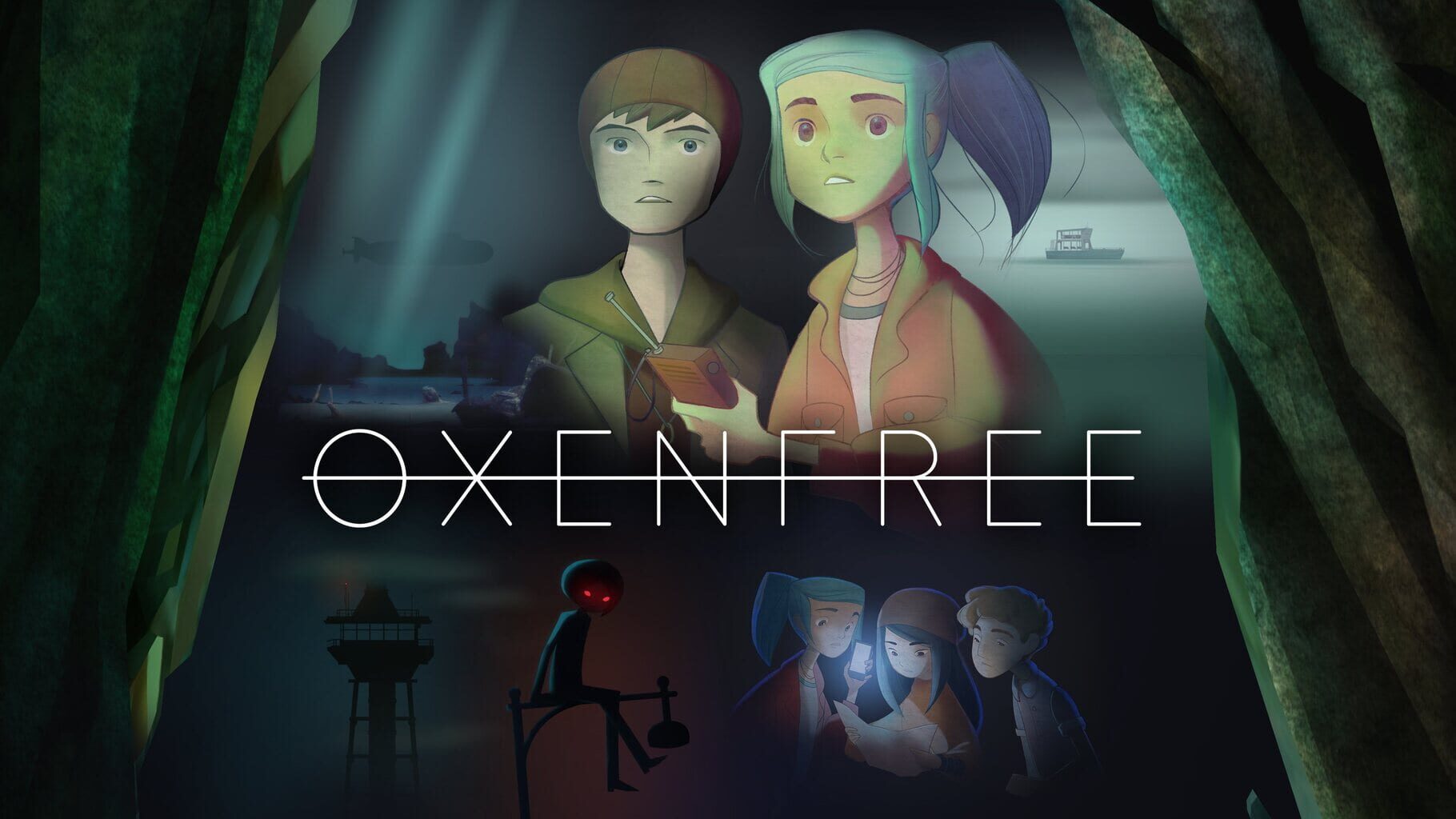
The primary mechanic isn't a sword or a gun; it’s a handheld radio. You use the right thumbstick to manually tune into different frequencies. Sometimes you get music, sometimes you get creepy historical broadcasts, and sometimes you accidentally tear a hole in reality.
The horror here is atmospheric rather than visceral. There’s no gore. Instead, you get screen distortions, looping dialogue, and the feeling that the game itself is breaking. It’s unsettling in a way that sticks with you longer than a jump scare. For a kid who has aged out of "kiddie" spooky stuff but isn't ready for the extreme violence of M-rated horror, this hits the sweet spot. It’s a "maturity-matched" experience that respects the player's intelligence without being gratuitous. You can find more on how to calibrate these choices in our guide to age-appropriate narrative games for different maturity levels.
The Netflix factor
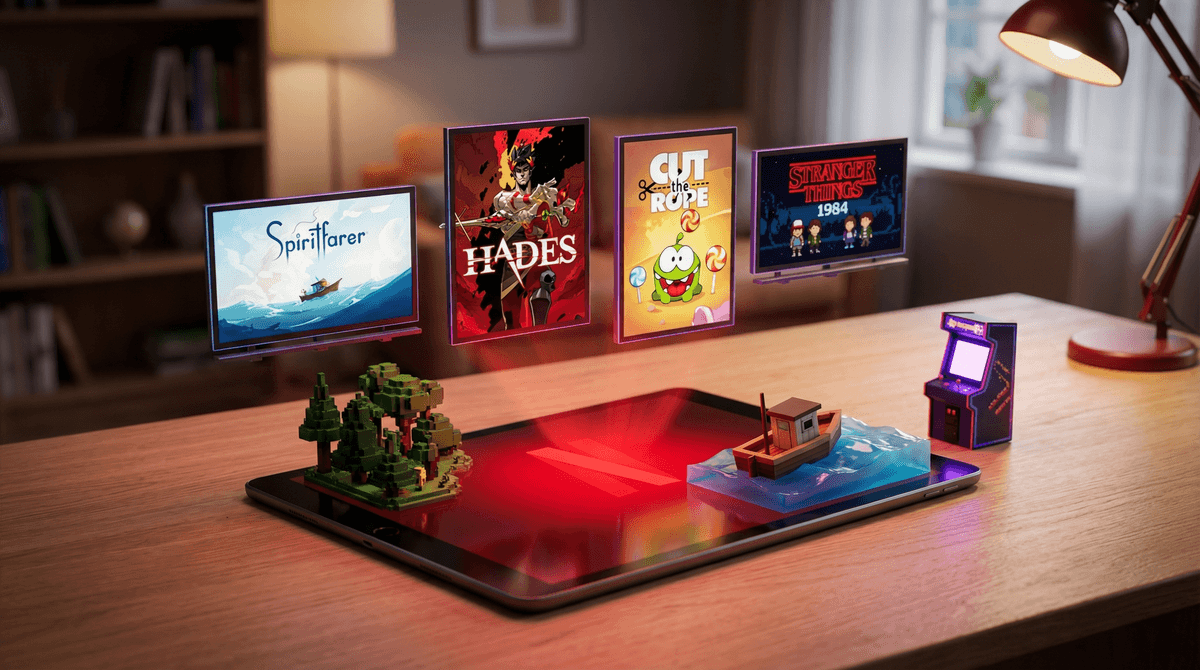
If you’re looking for a way to play this without buying it outright on a console, check your phone. Since Night School Studio was acquired by Netflix, the game is often available as part of a standard mobile subscription. If you’re already paying for the streaming service, you likely already own this game on iOS or Android.
It’s a great way to test the waters with Netflix’s hidden game library before committing to a larger purchase on a PlayStation or Switch. The touch controls are functional, though the atmosphere is definitely better on a big screen with a pair of decent headphones.
Why it sticks
The supernatural mystery—the ghosts, the military history of Edwards Island, the time loops—is the hook, but the grief is the anchor. Alex is dealing with the loss of her brother, and how you choose to process that loss through your dialogue determines the ending you get.
It’s a short experience, maybe five hours total, which makes it a perfect weekend "binge" game. It doesn't overstay its welcome, and it doesn't pad the runtime with fetch quests. If your teen liked the vibe of Stranger Things or the group-of-friends-on-an-adventure energy of Stand by Me, this is an essential play. It’s smart, it’s moody, and it treats the teenage experience with a level of sincerity that most big-budget games can't touch.