Beyond the crosshairs
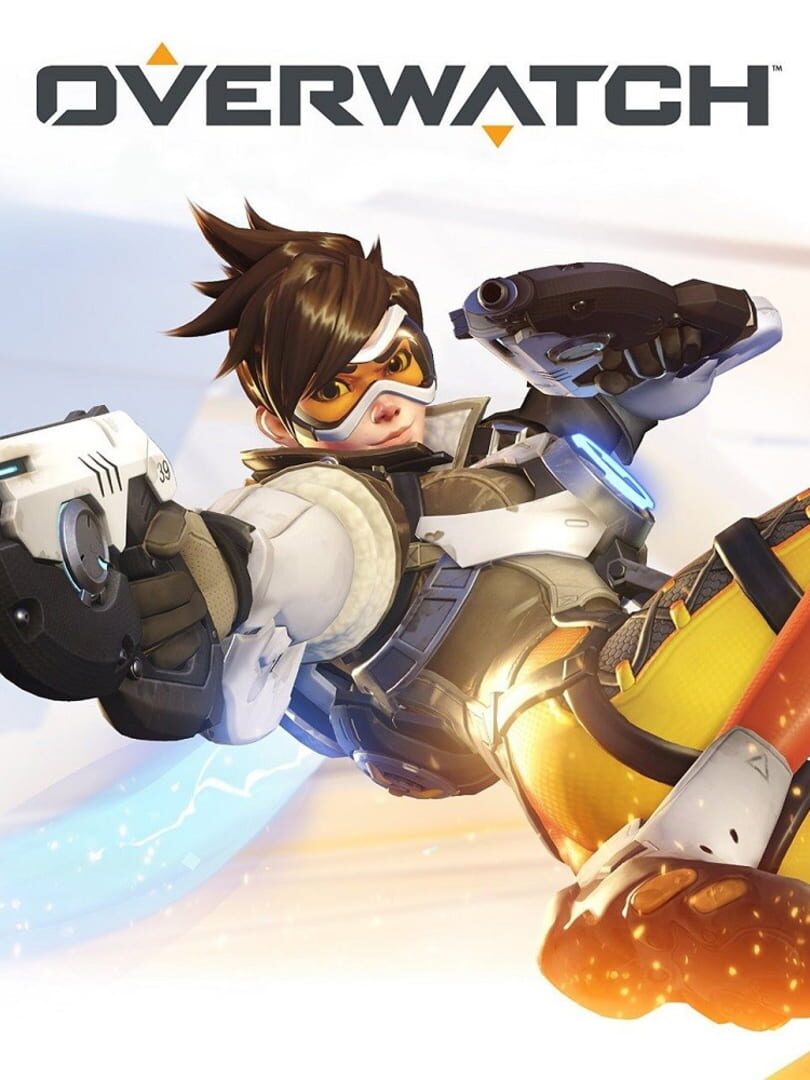
Most shooters are about who has the fastest thumbs. Overwatch changed the math by making the game about who has the best plan. It’s less like a gritty military sim and more like a Saturday morning cartoon where every character has a specific, vital job. If your kid is playing a "Tank," they aren't even focused on getting the most eliminations; they’re focused on standing in the way of bullets so their teammates don’t die.
This role-based system is why the game hooked so many people who usually hate shooters. It rewards intelligence over twitch reflexes. You can be the most important player on the map by playing a scientist who heals people or a DJ who speeds up the team. It’s a brilliant way to teach kids that "winning" doesn't always mean being the person with the biggest gun.
The "Teamwork" trap
The game’s greatest strength is also its biggest source of friction. Because the characters are so specialized, you literally cannot win alone. If one person on the six-player team decides to wander off or play "lone wolf," the entire match falls apart. For a 12-year-old, this is a crash course in frustration management.
You will hear them yelling at the screen—not because the game is "unfair," but because their teammates aren't doing their jobs. This is the "toxicity" people talk about. It’s not just mean words; it’s the high-pressure environment of a game where your success is tied to five strangers. If your kid is prone to "gamer rage," Overwatch will find those buttons and press them repeatedly. It’s worth sitting nearby for a few matches to see how they handle a losing streak caused by someone else’s mistakes.
The "Hero" obsession
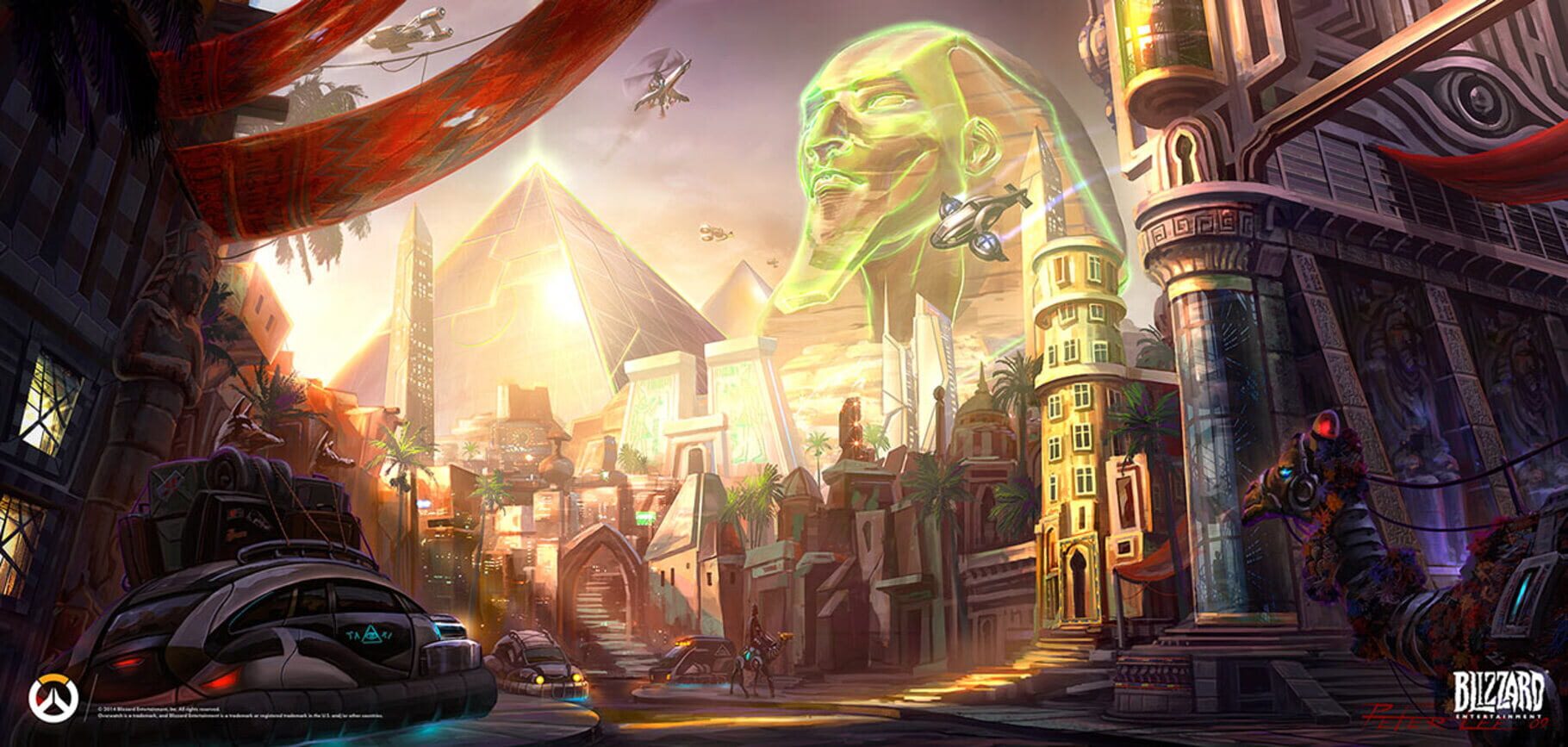
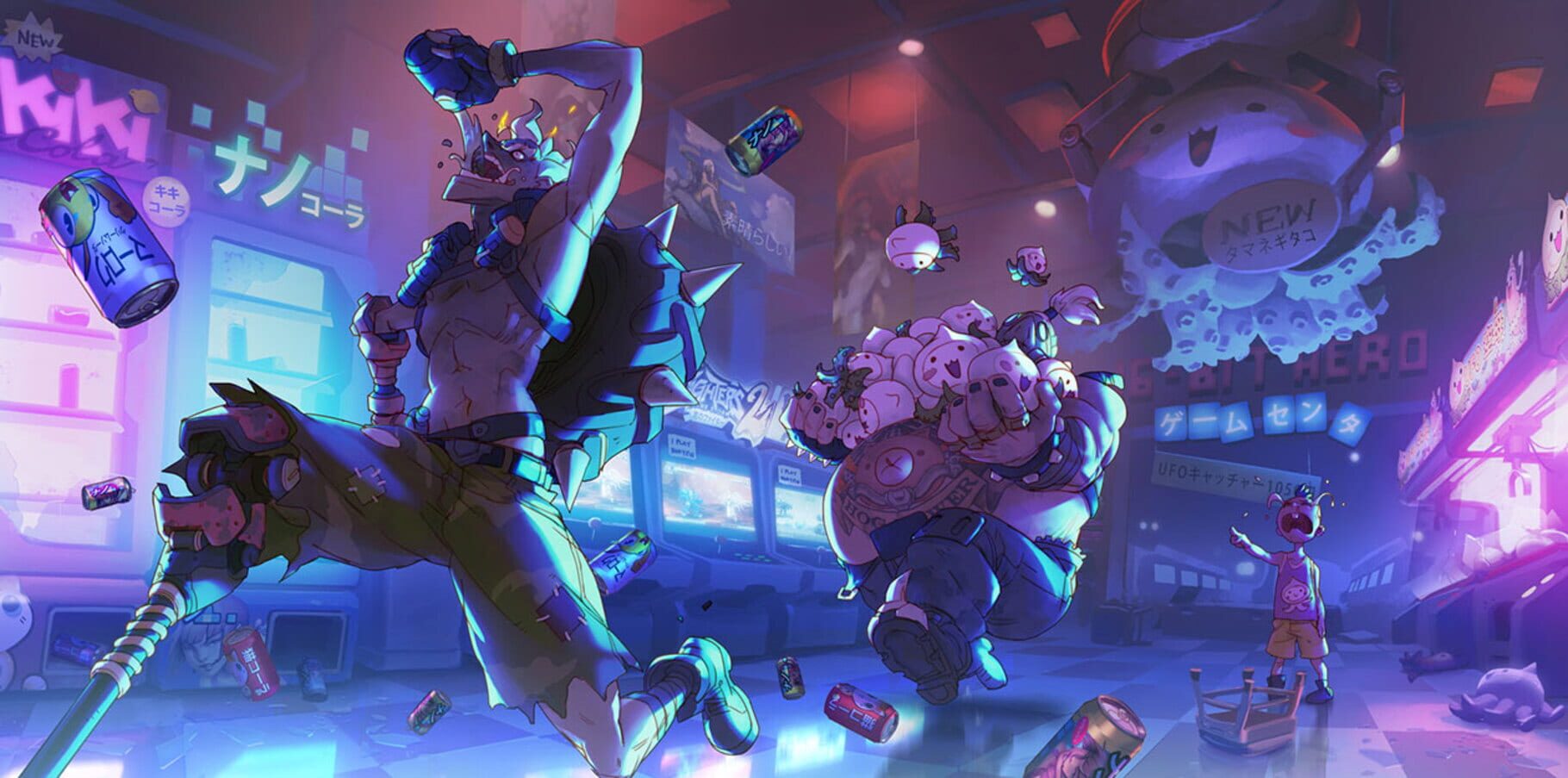
Blizzard built a world that feels much bigger than a simple arena. The 30+ heroes have backstories, rivalries, and distinct personalities that kids get deeply invested in. They’ll want the toys, the hoodies, and the cinematic shorts on YouTube. This "hero" vibe is a huge part of the appeal.
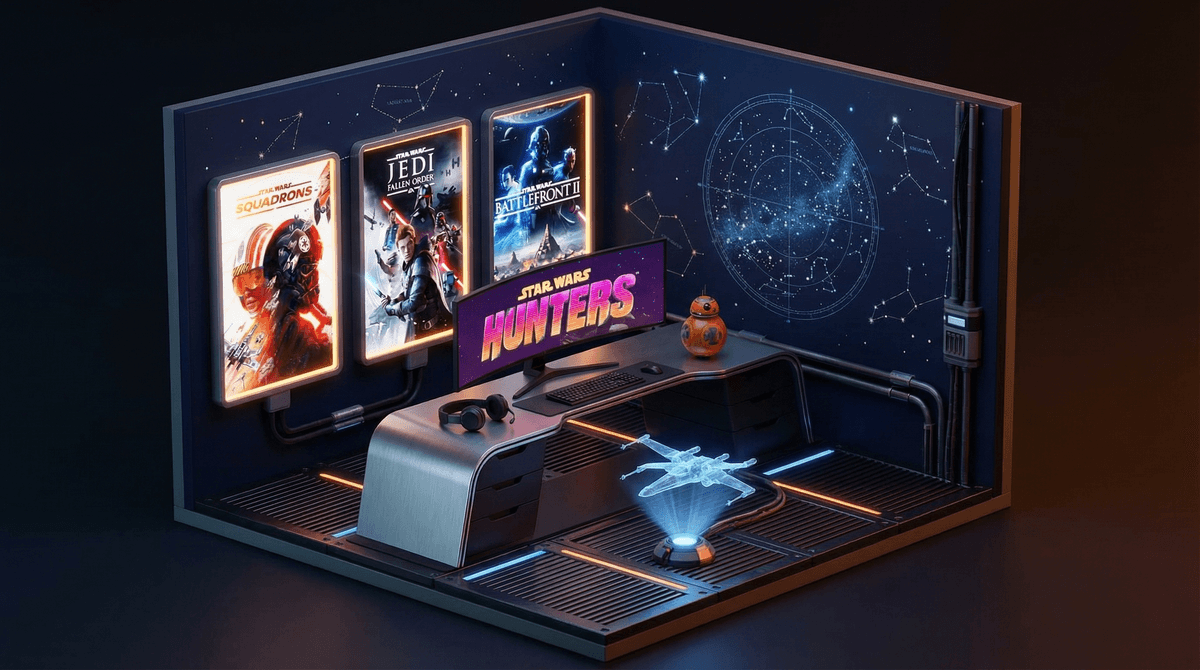
If your kid is obsessed with the character archetypes—the stoic knight, the cheeky pilot, the mysterious cyborg—but you want to steer them toward something with a bit more story and a lot less online vitriol, you might want to look at the best Star Wars games for kids. Many of those titles offer that same "hero's journey" feel without a stranger screaming in their ear about "healing stats."
How to handle the "Just one more" loop
Matches are short—usually 10 to 15 minutes. This makes it incredibly easy for a kid to justify "just one more" for two hours straight. The game is designed to keep the adrenaline high, and the end-of-match rewards (like "Play of the Game" highlights) provide a massive hit of dopamine.
Instead of setting a hard "stop at 6:00 PM" rule, try setting a match limit. It’s much easier for a player to wrap their head around "two more matches" than "five more minutes," especially since you can't pause an online game. Quitting mid-match doesn't just hurt their stats; it ruins the game for everyone else, which is a great opening for a talk about digital responsibility.