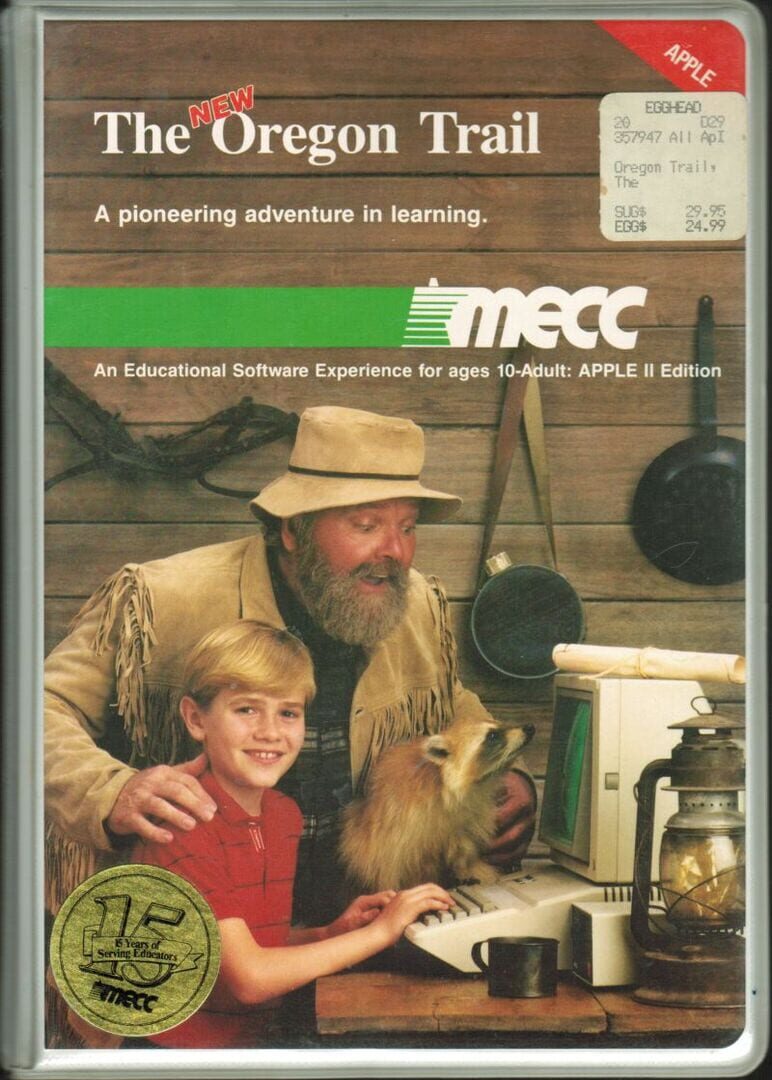
Oregon Trail

game

WISE
68%

WISE Score

The game that taught a generation that dysentery is no joke—now quaint, clunky, but still weirdly memorable.

Amazon4.4
Common Sense Media

Where to Play

Platform availability info not available. Search for "Oregon Trail" on your preferred gaming platform.

Screenwise Verdict

Oregon Trail is a time capsule. It's the game every millennial played in computer lab between Math Blaster sessions, and it genuinely taught a generation about resource scarcity and the brutal realities of 19th-century travel. The problem? It's 2025, and this thing feels ancient.

The educational value is real—kids learn about planning, trade-offs, and consequences (ford the river or caulk the wagon?). But the gameplay loop is repetitive, the graphics are laughably primitive, and most modern kids will bounce off it hard unless they're already into retro games or history. It's more of a "hey, let me show you what I played as a kid" curiosity than a must-play.

If your kid is genuinely interested in history or strategy, it's a solid supplement. If they're used to Minecraft or Roblox, prepare for "this is boring" within 10 minutes. The memes are better than the game at this point.

Age Fit

Best for ages 8-14 who can handle frequent (but not graphic) death and have interest in history or strategy games. Younger kids might find it confusing or upsetting when characters die; older teens will likely find it too dated and slow.

WISE Breakdown
Wholesome
78

Classic educational game that teaches resource management, consequences, and historical empathy. Tone is matter-of-fact about hardship (dysentery, broken wagons, death) but never gratuitous or mean-spirited. Models cooperation and planning. The comic mischief and mild cartoon violence keep it light despite heavy themes.

Imaginative
65

Offers strategic decision-making (choosing supplies, routes, river crossings) and some role-playing as a wagon leader, but it's largely a linear experience with predetermined outcomes. More about problem-solving within constraints than open-ended creativity. The historical setting invites curiosity about westward expansion, but doesn't encourage building or creative expression beyond tactical choices.

Safe
82

ESRB rates it E10+ for comic mischief, mild cartoon violence, and tobacco use references—all historically accurate and contextual, not gratuitous. No predatory monetization, no online chat, no surprise graphic content. Death happens (famously: dysentery), but it's presented as text-based consequence, not traumatic imagery. Straightforward, predictable content that parents know what they're getting.

Enriching
72

Teaches resource management, planning, trade-offs, and introduces 19th-century American history in a memorable way. Kids learn about supplies, disease, geography, and the harsh realities of pioneer life. However, it's not deeply educational—more edutainment than curriculum. The historical framing is valuable but simplified, and the gameplay loop is repetitive. Still, it builds critical thinking and consequences awareness.

Parent Info

Why It Might Be Great

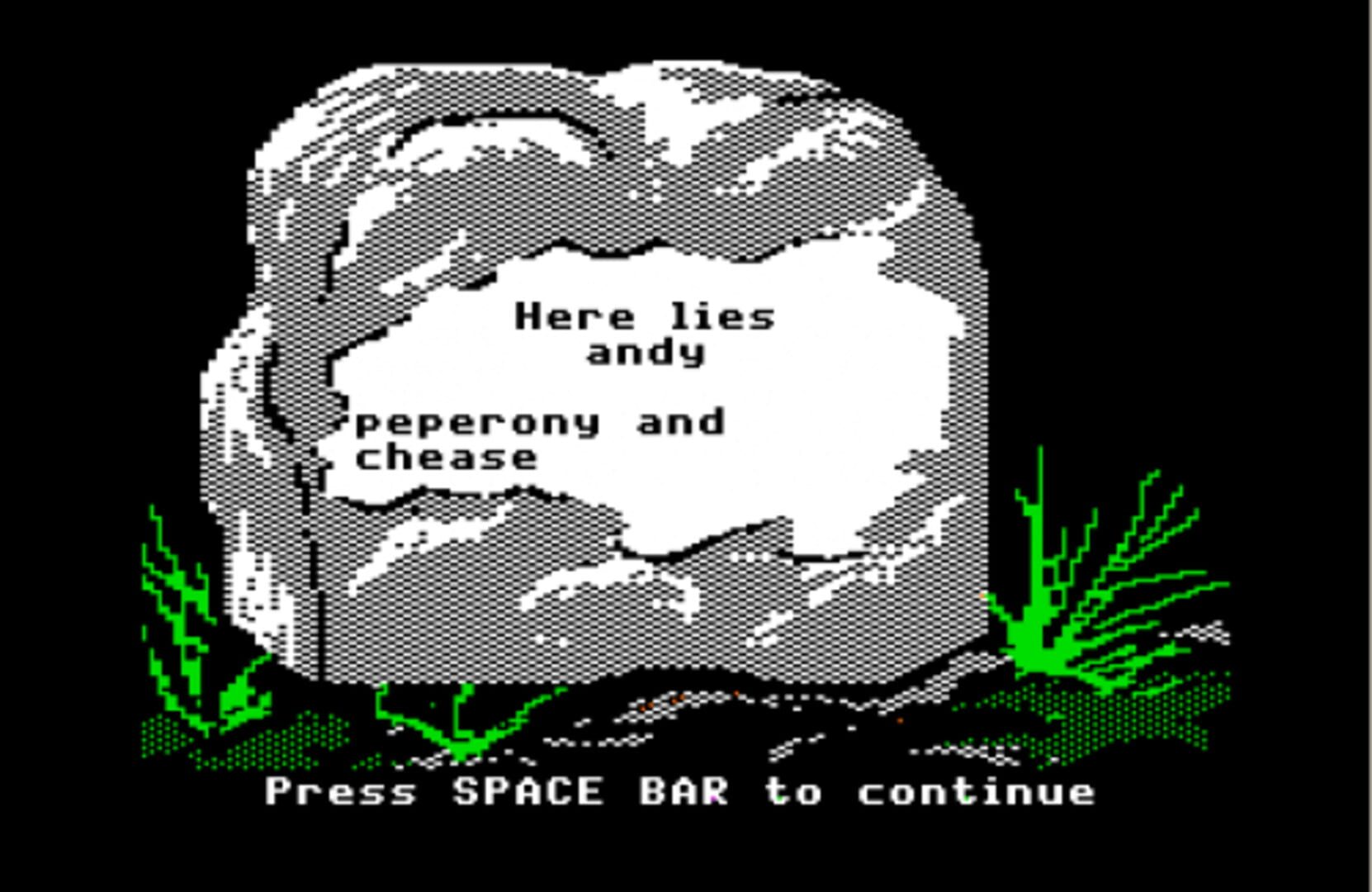
  • Teaches resource management, planning, and consequences in a way kids actually remember (everyone remembers dying of dysentery)
  • Introduces 19th-century American history and the brutal realities of westward expansion without being preachy
  • No ads, no in-app purchases, no online nonsense—just a straightforward game
  • Nostalgic for parents who played it in computer lab; can be a fun cross-generational conversation starter

What to Watch For

  • Death is a frequent and expected outcome—your party members will die of disease, drowning, snakebites, etc. It's text-based and not graphic, but it's constant
  • Tobacco use references (historically accurate for the 1800s) and mild cartoon violence
  • Gameplay is repetitive and graphically dated—modern kids may find it boring compared to current games
  • Simplified and somewhat sanitized view of westward expansion; doesn't deeply address Native American displacement or the full complexity of the era

Conversation Starters

  • "If we were actually on the Oregon Trail, what supplies do you think we'd need most? What would you pack?"
  • "Why do you think so many people risked everything to travel west? What were they hoping to find?"
  • "The game shows a lot of people dying from disease and accidents—why was the journey so dangerous back then compared to traveling today?"

Ask Anything

Get a personalized guide on any topic