Why the fairy tale remix works for tweens
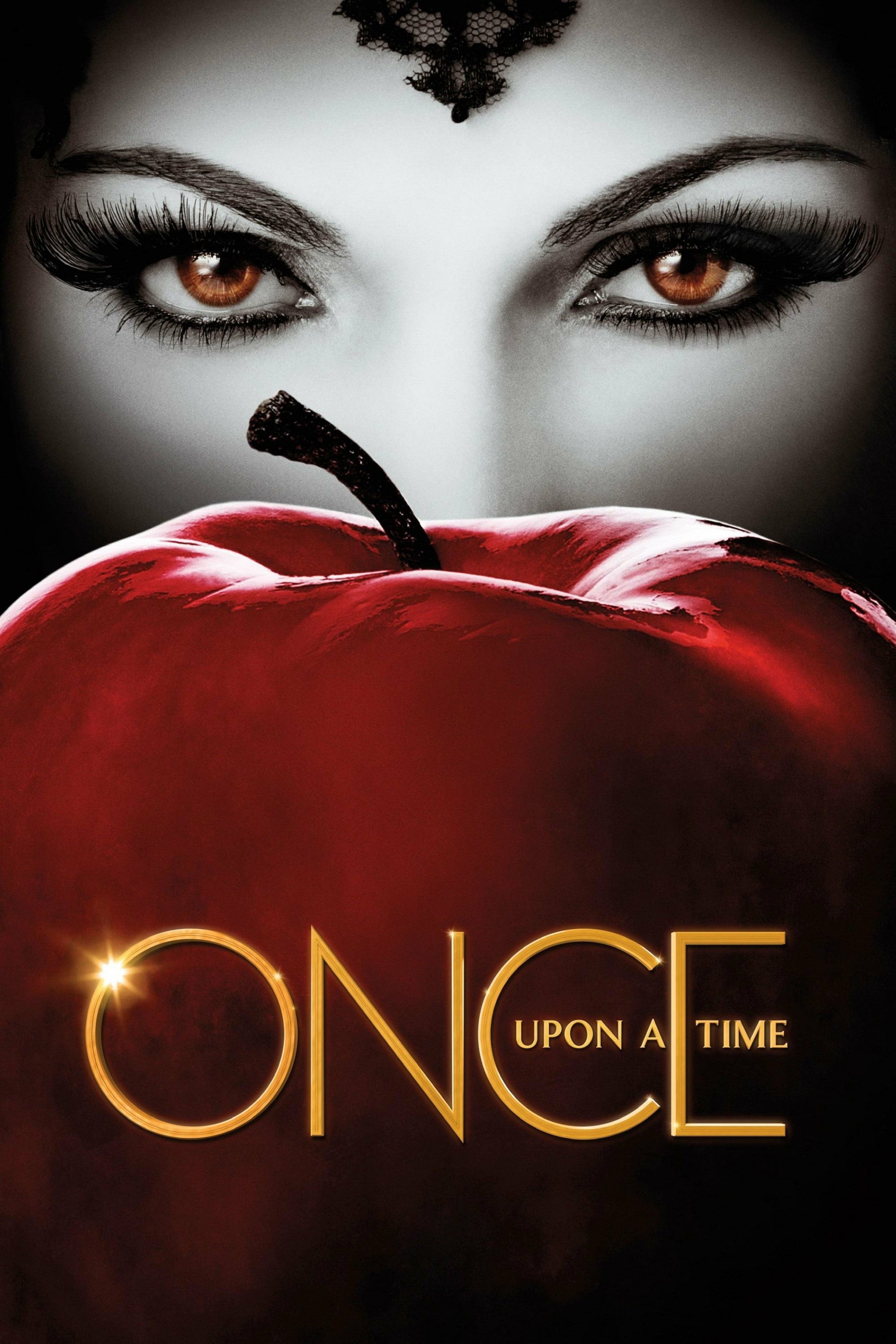
When Once Upon a Time premiered, network television was trying to figure out how to capture serialized fantasy fans without scaring away family viewers. The solution was taking recognizable canon—Snow White, Prince Charming, Rumpelstiltskin—and dropping them into Storybrooke, Maine, a town frozen in time where nobody ages and nobody remembers their true identity.
For a 10-to-13-year-old viewer, the structure works like narrative catnip. The show toggles between present-day mystery solving in Maine and flashback origin stories in the Enchanted Forest. It gives kids a chance to track puzzle pieces, predict character twists, and argue about who is secretly related to whom.
The heart-snatching and morality shifts
While the show avoids explicit gore, hard language, or graphic sexuality, its signature magical move is visually distinct: dark magic users sink their hands into a person's chest and pull out a glowing, pulsing heart. They use these hearts to force compliance, store them in velvet-lined boxes, or crush them into ash. It is theatrical rather than bloody, but sensitive 8- or 9-year-olds might find it disturbing.
Morally, the show is surprisingly complex. Main characters like the Evil Queen and Rumpelstiltskin shift back and forth between empathetic allies and ruthless villains. The series insists that personal choices matter more than preordained fate, making redemption a central long-term storyline. That complexity makes for great couch conversations, even when the plot logic gets convoluted.
Knowing when to tap out
Like many 22-episode network dramas of its era, the show eventually runs out of organic gas. Seasons 1 through 3 deliver a satisfying arc around the dark curse and Neverland. By Season 4, the series starts bringing in live-action versions of Frozen and Brave characters that feel more like corporate synergy than natural story progression. If your kid starts getting tired of the 'yet another curse wipes everyone's memory' loop around Season 4, feel zero guilt about letting them walk away.