The Ghibli trap
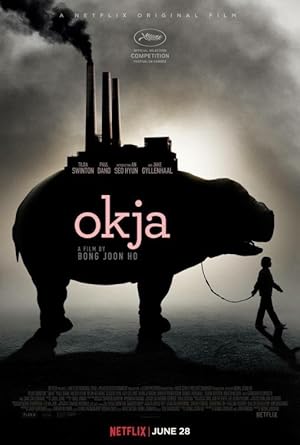
The first twenty minutes of this movie feel like a warm hug. You’ve got a massive, expressive "super pig" that looks like a cross between a hippo and a Labrador, playing in the lush mountains of South Korea with a young girl. It has the DNA of a classic creature-feature adventure—think The Iron Giant or E.T.—and you might be tempted to put this on for a ten-year-old who loves animals.
Don't.
The movie pulls a massive bait-and-switch. Once the story leaves the mountains and heads toward New York City, it transforms from a whimsical fairy tale into a biting, cynical satire and eventually a harrowing horror film. The shift is intentional and brilliant, but it’s a lot to process. Critics on Rotten Tomatoes and Metacritic clearly loved the ambition, but for a parent, the "Action/Adventure" genre tag on Netflix can be a bit of a landmine.
Corporate satire vs. visceral reality
The middle act is a wild, colorful takedown of corporate greenwashing. The company trying to reclaim the pig is portrayed as a collection of neurotic, image-obsessed villains who are more interested in marketing than morality. It’s funny in a dark, cringey way that will resonate with teenagers who are already skeptical of big brands.
But the final act is where the movie earns its 15+ rating. It moves into a industrial slaughterhouse setting that is filmed with the clinical coldness of a prison drama. We aren't just talking about a "sad ending" here; we’re talking about a sustained look at the machinery of the meat industry. It’s effective because the filmmakers make you fall in love with the creature first. When the stakes get high, they feel personal.
Where it fits on the watchlist
If your teen is starting to ask questions about where their food comes from or is showing an interest in environmental activism, this is the definitive "ethics of consumption" movie. It’s much more engaging than a dry documentary because it centers on the bond between Mija and her pig.
If you’re looking for something that hits the same emotional notes without the traumatic imagery, you might want to browse our list of the 20 best Netflix movies for kids. However, for a mature 15 or 16-year-old who is ready for a "big ideas" movie that doesn't pull its punches, this is a top-tier choice. It’s one of the best movies for teenagers on Netflix specifically because it treats the audience like adults who can handle a bittersweet, complicated reality.
The conversation after the credits
You won't need to fish for conversation starters once the credits roll. The movie is designed to provoke a reaction. You’ll likely find yourself talking about the Animal Liberation Front characters—who are portrayed as well-meaning but often incompetent or dogmatic—and whether their "by any means necessary" approach actually works.
This isn't a movie that leaves you feeling "good," but it does leave you feeling something. It’s a rare piece of high-budget filmmaking that actually has a soul and a perspective, even if that perspective is deeply uncomfortable. Just be prepared for the fact that your teen might want to skip the burger at dinner afterward.