The 2000s Melodrama Formula
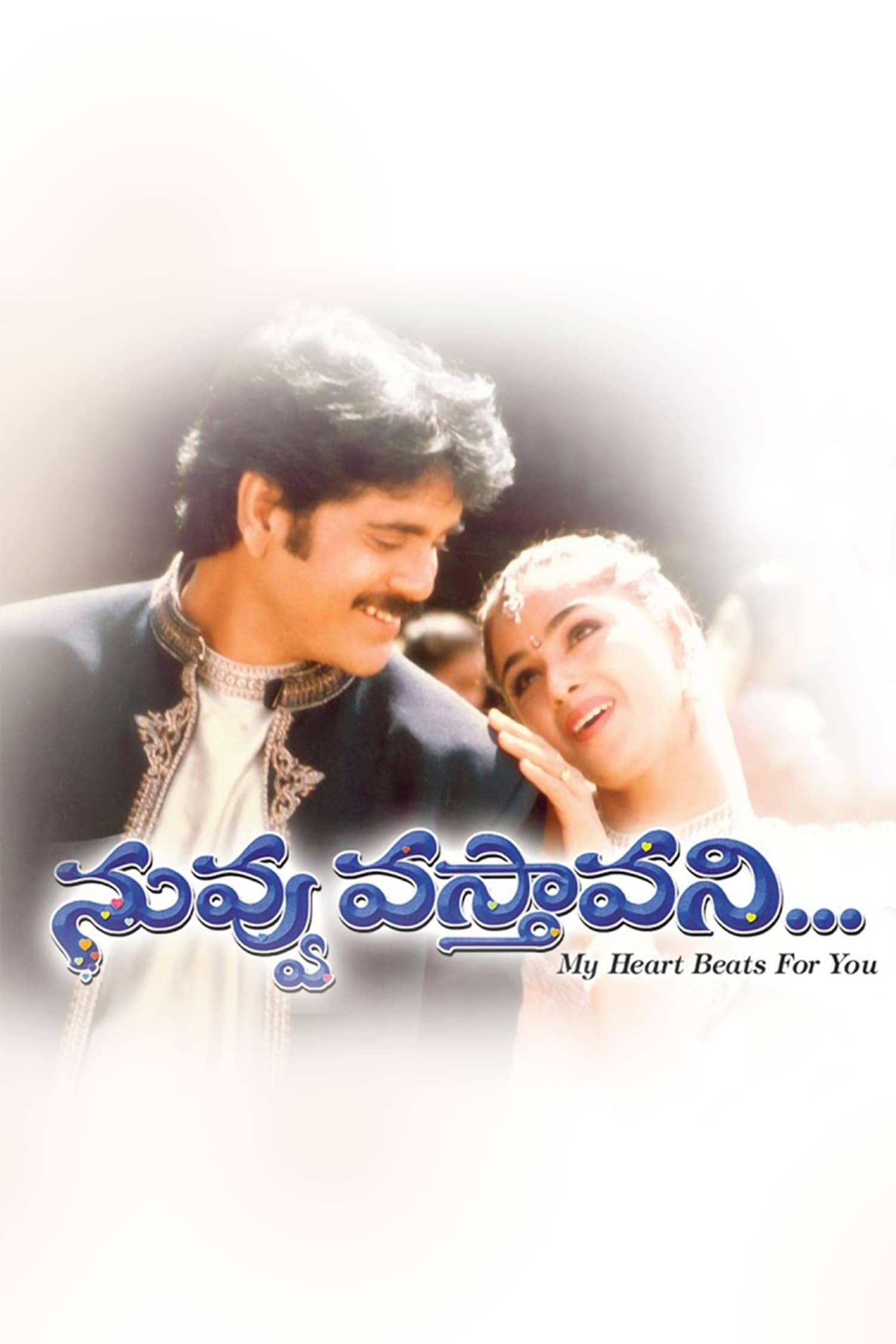
If you were watching Telugu cinema at the turn of the millennium, Nuvvu Vastavani was inescapable. It comes from an era where the "Super Good Movies" banner was printing hits based on a very specific recipe: a misunderstood hero, a heavy dose of tragic irony, and a soundtrack that stayed on the radio for three years straight.
For a modern viewer, the logic is strained. The entire plot hinges on Chinni (Nagarjuna) accidentally causing Indu (Simran) to lose her eyesight, then spending the rest of the movie caring for her while pretending to be a total stranger. It’s the kind of "noble deception" that was a staple of Y2K-era romance but feels increasingly bizarre in an age of radical transparency. If you’re watching this with a teenager, expect them to have some loud opinions about why Chinni doesn't just tell her the truth.
The Nagarjuna Factor
While critics on Letterboxd give it a middling 3.3, that score doesn't quite capture how much heavy lifting Nagarjuna does here. This was his "charming best" phase. He manages to play a guy who is simultaneously a wannabe pop star and a supposed "rowdy" without making it feel like a caricature.
His chemistry with Simran is the only reason the movie doesn't collapse under its own sentimentality. Simran has the difficult task of playing a character who is essentially being gaslit for her own benefit, and she sells the vulnerability of it well. You aren't watching this for a gritty, realistic portrayal of disability or redemption; you're watching it to see two massive stars operate at the peak of their charisma.
Why the Music Matters
The real reason this movie has a 6.7 on IMDb isn't the script—it's the songs. S.A. Rajkumar’s music is the soul of the film. In the early 2000s, these melodies were everywhere. Even if your kids find the pacing of a 25-year-old drama "mid," the musical sequences are a window into a specific cultural moment when the "singer-hero" was the ultimate archetype.
The "Rowdy" Problem
One thing that might confuse younger viewers is the constant labeling of Chinni as a "rowdy." In this era of film, "rowdy" was a catch-all term for a street-level tough guy or a petty criminal. The movie leans hard on the trope that looking like a "rowdy" makes you a social pariah, even if you have a heart of gold. It’s a very binary way of looking at character that feels dated now.
If your family is used to the high-speed, VFX-heavy Telugu blockbusters of the 2020s, Nuvvu Vastavani will feel like a slow-motion artifact. But as a case study in how the industry used to pull at heartstrings, it’s a fascinating, if slightly frustrating, watch.