Nintendo Labo

Nintendo Labo

game

2018, Simulator, Adventure

WISE
87%

WISE Score

73%

IGDB

Build functioning cardboard game controllers, learn actual engineering, then play mini-games that are honestly just okay.

Where to Play

Screenwise Verdict

Nintendo Labo is that rare thing: a video game that's actually about building real stuff with your hands. It's part craft project, part engineering lesson, part video game—and the first two parts are way better than the third.

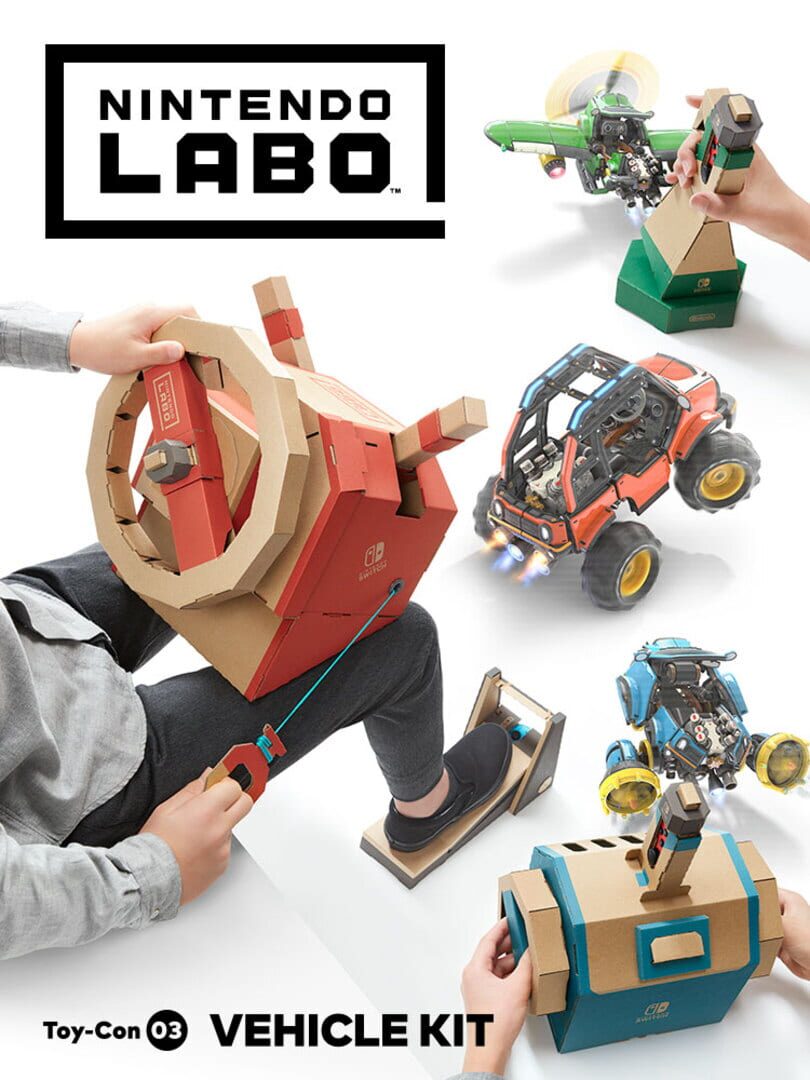
The building process is legitimately impressive. Kids follow illustrated instructions to create functioning game controllers from cardboard sheets, rubber bands, and reflective tape. When they slot their Switch into the piano and it actually plays music, or when the fishing rod's string-and-pulley system translates to catching digital fish, it's genuinely cool. The Toy-Con Garage mode even lets kids program their own creations.

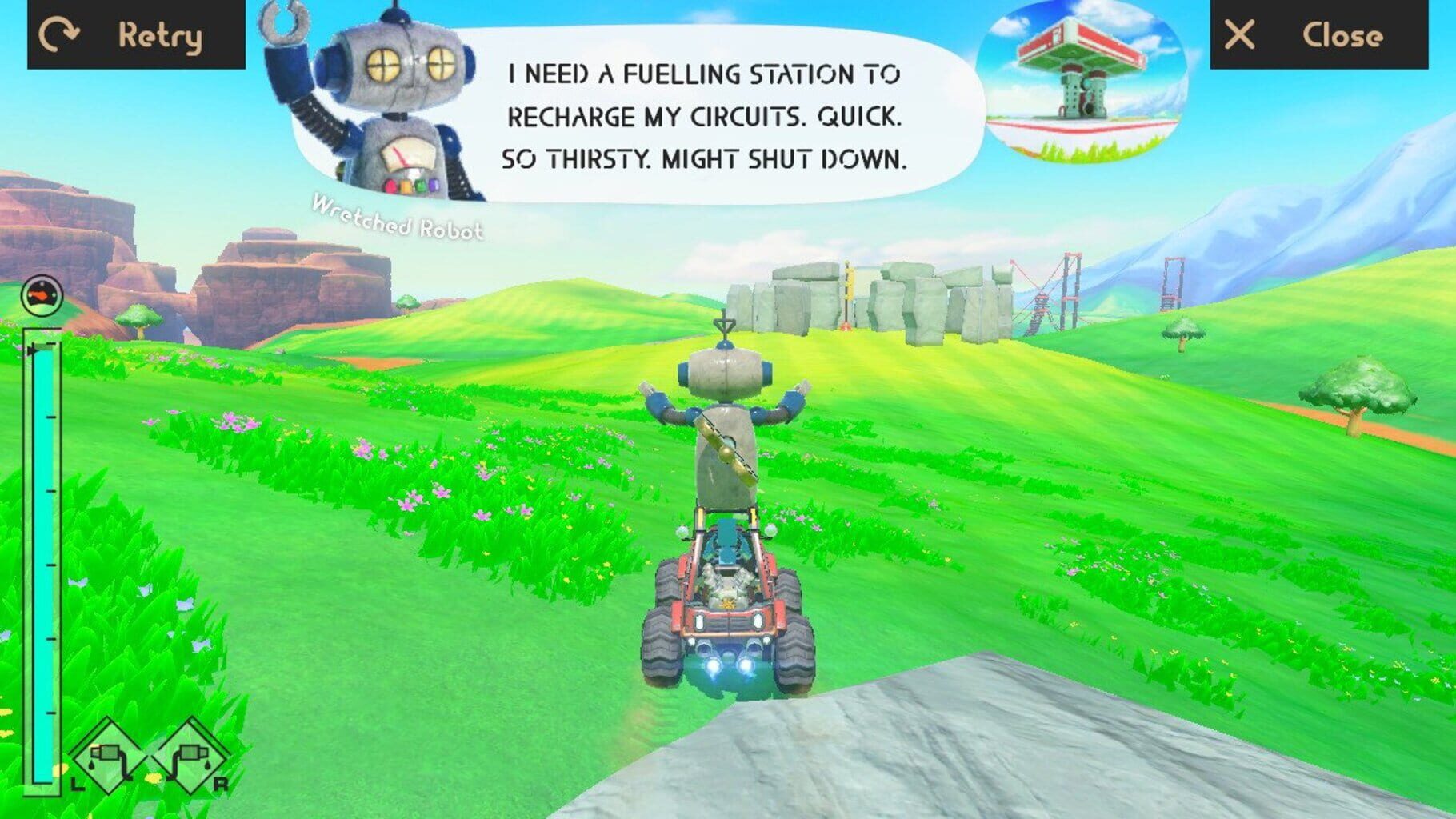
The catch? Once you've built everything, the actual games are pretty basic. The fishing game is fun for an hour. The racing game is fine. The robot suit is neat but limited. This isn't a 100-hour gameplay experience—it's a 20-hour building experience with some light gaming afterward.

But that's okay. Labo's real gift is making kids think about how things work, turning them into makers instead of just consumers. At a time when most games are designed to be addictive engagement loops, Labo is refreshingly finite and educational. Build it, play it, maybe customize it, then move on.

The IGDB score of 73 reflects the limited gameplay, but misses the point. This isn't really a game—it's a STEM kit disguised as one. And for that purpose, it's brilliant.
Age Fit

Best for ages 6-12, with younger kids needing significant adult help. The building process is genuinely engaging for parents too, making it rare family co-play that doesn't feel like a chore. Teens might find it too young unless they're specifically into maker/engineering projects.

WISE Breakdown
Wholesome
92

Nintendo Labo is fundamentally about building, creating, and discovering together. The official guidance recommends parent-child collaboration for kids under 10, which naturally creates quality family time. The content is entirely non-violent (ESRB notes only 'mild cartoon violence' in mini-games), cooperative, and encourages patience and problem-solving. The tone is playful and encouraging throughout.

Imaginative
96

This is peak imaginative play. Kids build functioning controllers out of cardboard using actual engineering principles—pulleys, reflective tape for IR sensors, rubber bands for tension. The 'Toy-Con Garage' mode lets kids invent their own games and contraptions, programming inputs and outputs. It bridges physical craft with digital interaction in a genuinely novel way that hadn't been done before at this scale.

Safe
98

Nearly flawless safety profile. No in-game purchases, no loot boxes, no online chat. Users can interact locally only. ESRB rated E for Everyone with only mild cartoon violence in mini-games. The VR kit (separate product) has age restrictions for kids under 7, but the main kits are safe for ages 6+. The only minor concern is the time investment and potential frustration if builds don't work properly.

Enriching
88

Teaches genuine STEM concepts: basic engineering, cause-and-effect, spatial reasoning, following complex instructions, and even simple programming logic in Garage mode. The building process requires sustained attention and problem-solving. However, the actual gameplay after building is somewhat limited and repetitive—the enrichment comes primarily from the construction phase, not long-term engagement with the games themselves.

Parent Info

Why It Might Be Great

  • Genuinely teaches engineering principles—kids build working controllers with pulleys, IR sensors, and rubber bands, then see exactly how their creation translates physical input to digital output
  • The 'Toy-Con Garage' programming mode lets kids create their own inventions, essentially teaching basic coding logic through play
  • Designed for parent-child collaboration, turning screen time into quality building time (Nintendo recommends supervision for under-10s)
  • Zero monetization concerns—no ads, no IAP, no loot boxes, just pure creative play
  • That moment when the cardboard piano actually works and plays music is legitimately magical

What to Watch For

  • Each Toy-Con takes 1-5 hours to build—this is a serious time commitment, not a quick activity
  • The actual games are fairly simple and repetitive; the real value is in the building process, not long-term gameplay
  • Cardboard durability is a thing—younger kids may need help with careful handling, and pieces can wear out with rough play
  • Some kids will love the methodical building process; others will find it tedious (know your kid)

Conversation Starters

  • "How do you think the cardboard piano knows which key you're pressing? Want to figure it out together?"
  • "What would you want to build if you could make your own Toy-Con? What would it do?"
  • "Why do you think Nintendo used cardboard instead of plastic? What are the trade-offs?"
  • "Can you explain to [sibling/other parent] how the fishing rod works? Walk them through the mechanics."

Ask Anything

Get a personalized guide on any topic