The Story Behind Possum Springs
On the surface, Night in the Woods looks like a cozy 2D side-scroller starring anthropomorphic animals. Within twenty minutes, you realize you're playing through a grounded, melancholic portrait of America's Rust Belt. Mae Borowski drops out of college for reasons she can't quite articulate, returning home to find that her childhood bedroom feels small, her parents are struggling with mortgage payments, and her old friends are working dead-end jobs.
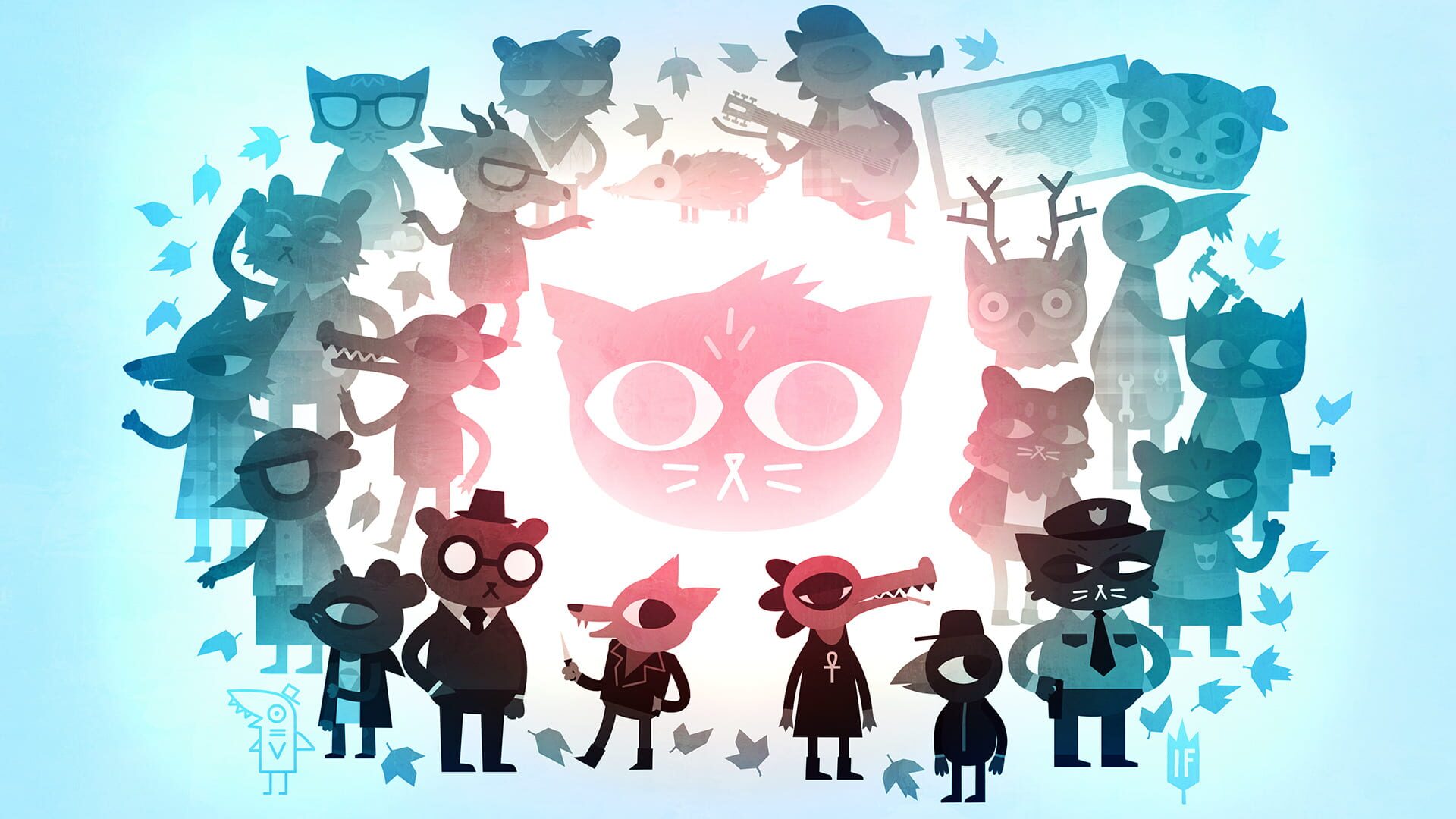
Gameplay revolves around exploring Possum Springs day by day. You jump across power lines, play bass in a garage band minigame, steal pretzels for stolen-object achievements, and decide which friend to hang out with before sunset. Whether Mae spends the afternoon with Bea (an overworked alligator running her family's hardware store) or Gregg (a chaotic, hyperactive fox who works at the convenience store), every choice reveals deeper layers of their personal traps.
"I want it to hurt. To feel something. Because living with the void is worse."
Why It Hits Different for Teens
Most video games about youth fall into two buckets: power fantasies or shiny high-school dramas. Night in the Woods captures the messy middle ground of late adolescence—that terrifying moment when the structure of childhood disappears and you realize adults don't have things figured out either.
The game handles mental health issues like dissociation and clinical depression with remarkable nuance. Mae isn't a saint; she's occasionally selfish, reckless, and dense. But watching her navigate those flaws gives teenage players a safe, reflective space to process their own worries about leaving home, failing expectations, or feeling isolated.
If your high schooler loved narrative-heavy games like Life is Strange or reads literary middle-grade and YA fiction, this is a top-tier recommendation. Just be prepared for them to want to talk through the ending when the credits roll.