The British Museum upgrade
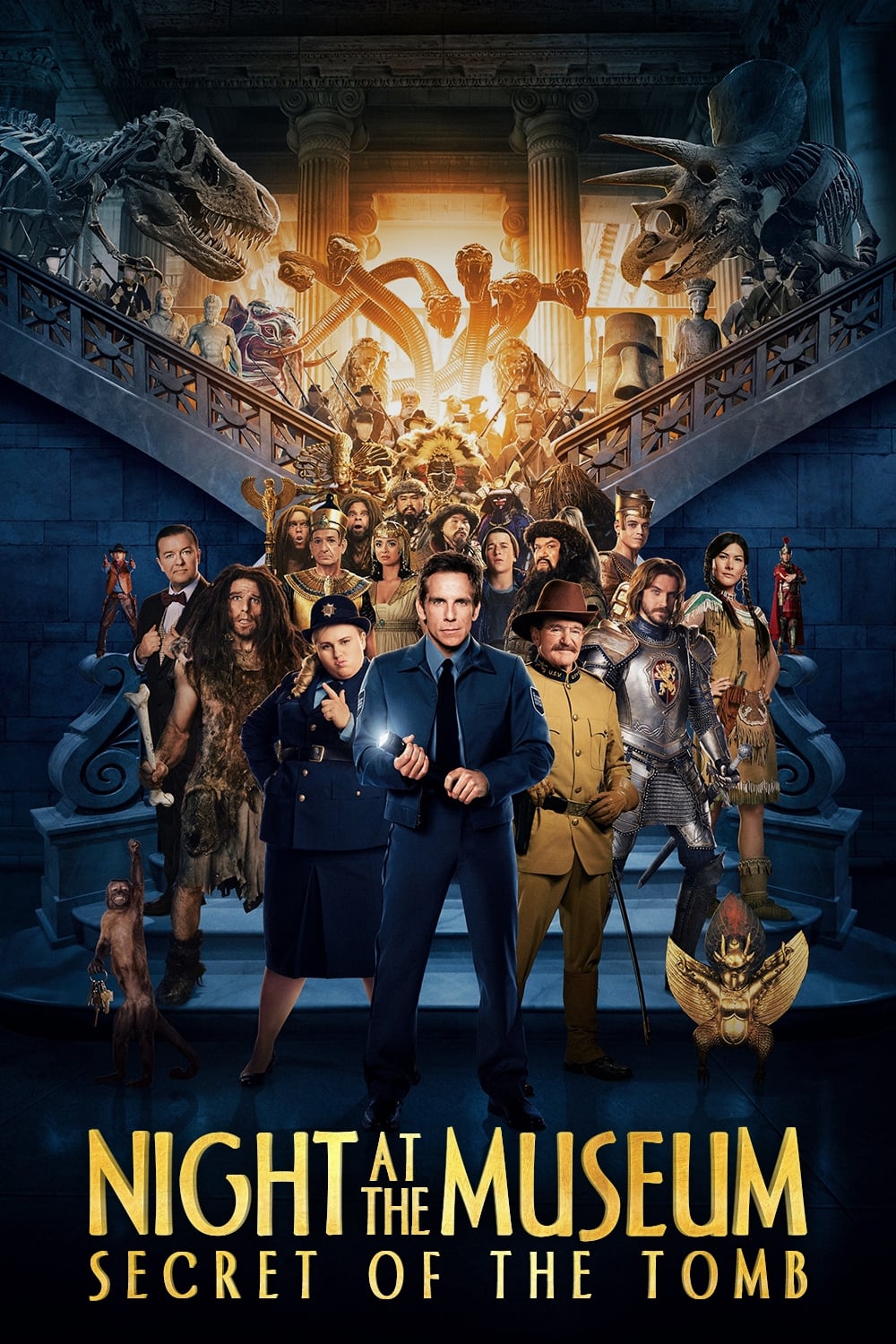
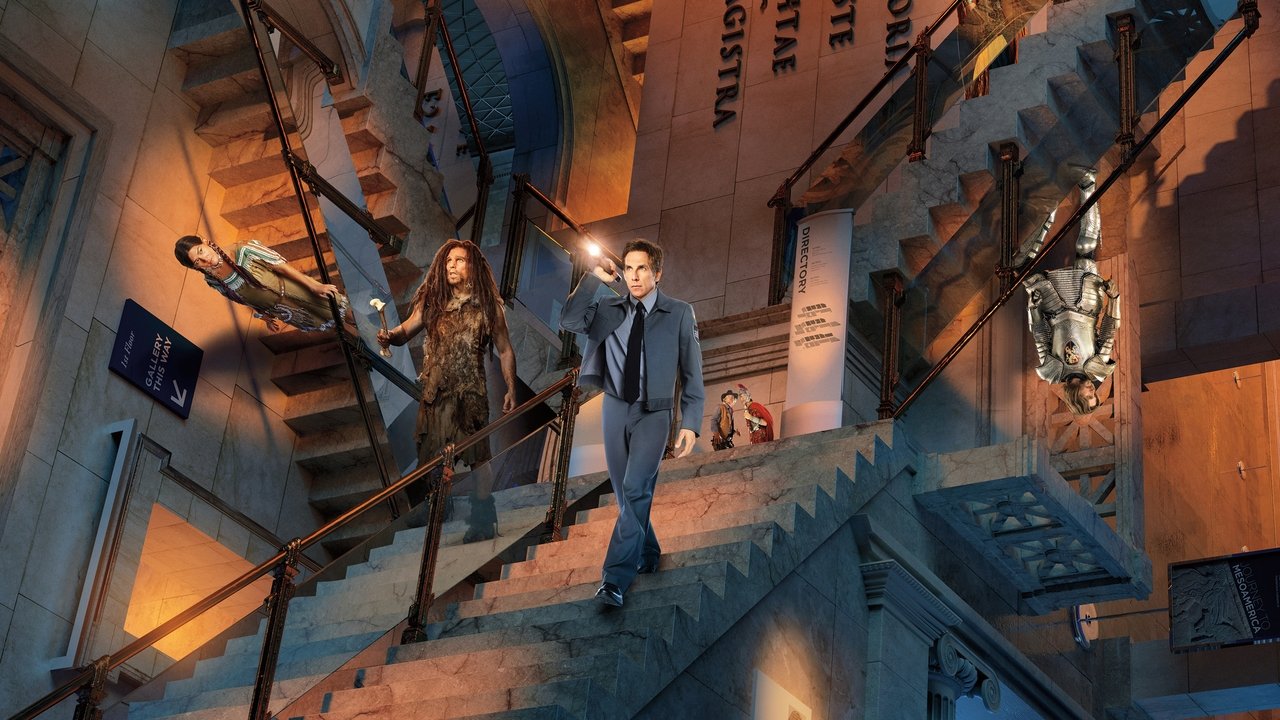
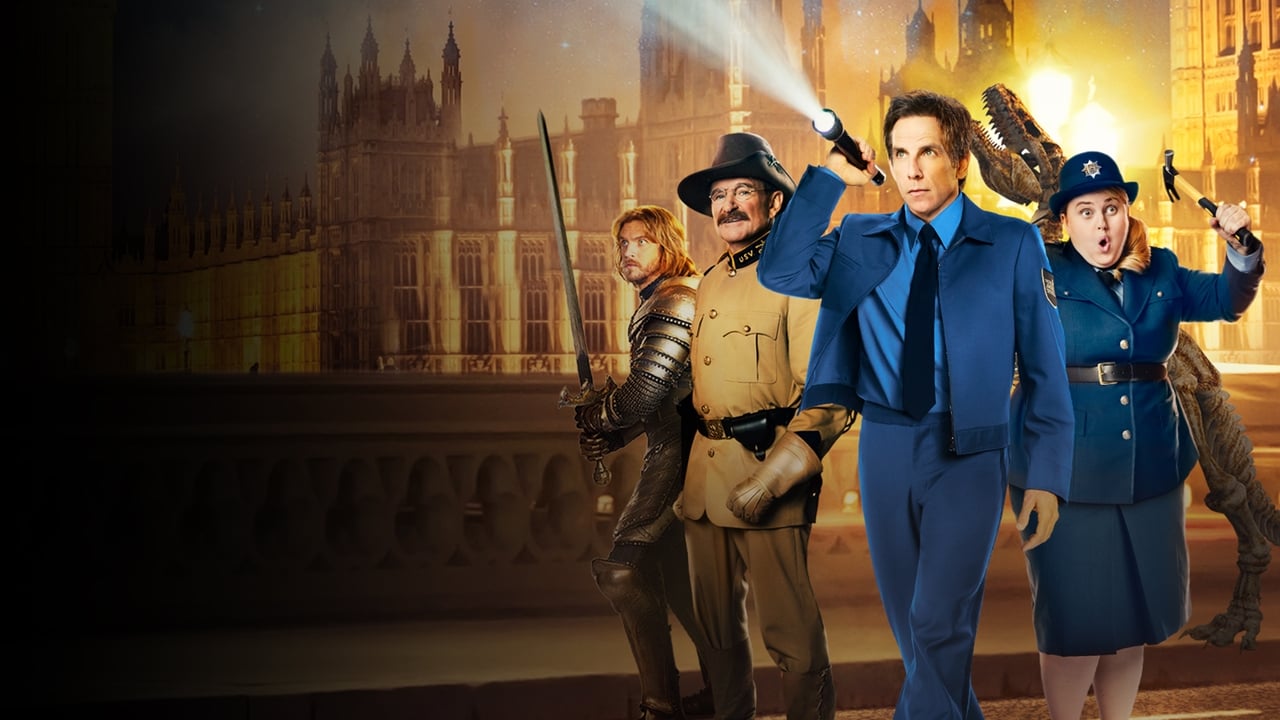
By this third installment, the "New York museum comes to life" gimmick had run its course. Moving the setting to London was a smart play to keep the franchise from feeling like a total retread. The British Museum offers a different aesthetic, and the sequence involving an M.C. Escher lithograph is easily the most creative moment in the entire trilogy. It’s one of those rare times where the digital effects actually serve a clever visual idea rather than just throwing another CGI creature at the screen.
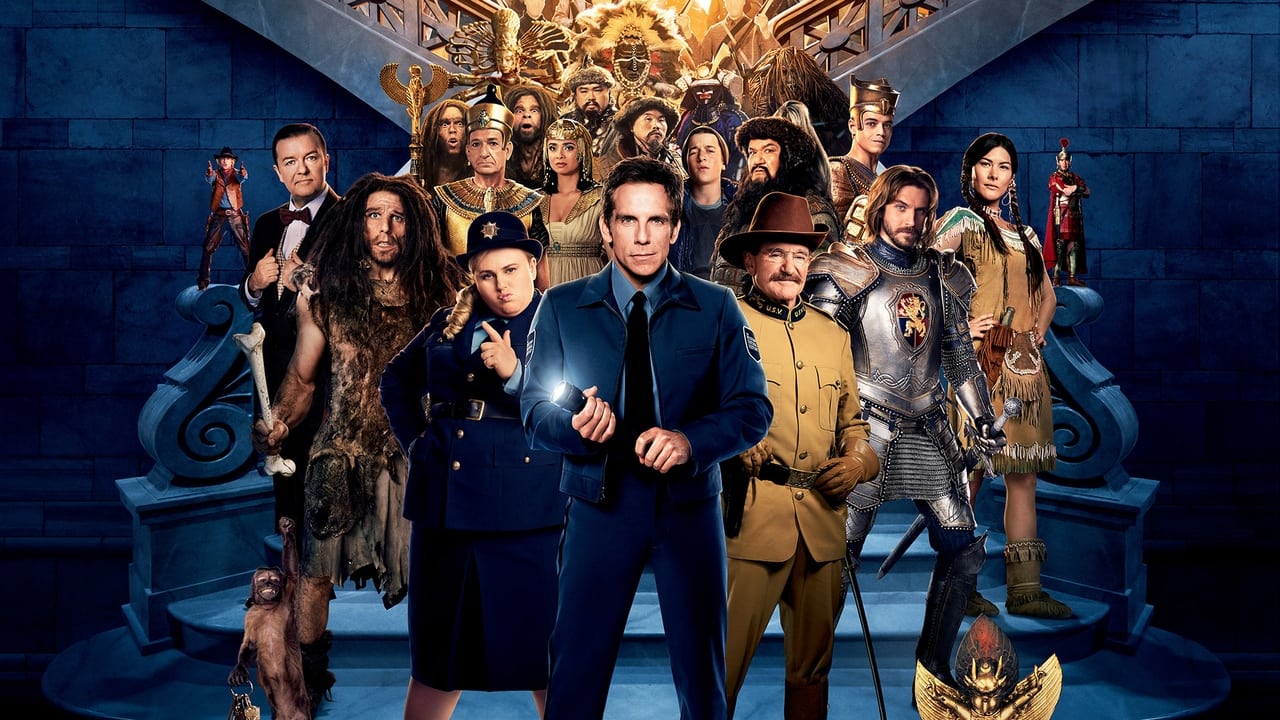
If your kids are already deep into Night at the Museum: Why This History-Inspired Franchise is Making a Comeback, they’ll appreciate the change of scenery. Sir Lancelot is the standout addition here, playing the "delusional hero" archetype with enough energy to carry the scenes where the returning cast looks a bit tired.
High stakes for the 7-year-old set
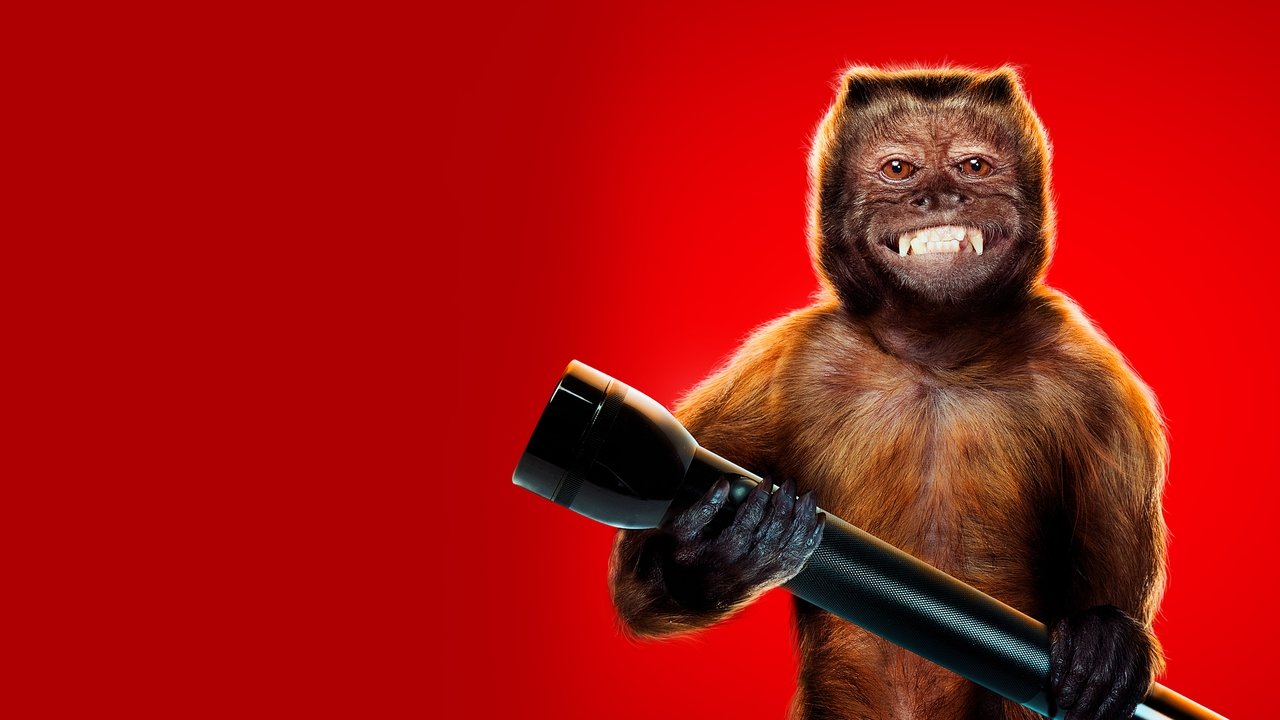
While the first two movies were mostly about the chaos of things coming to life, this one is about things dying. The central plot involves the magic tablet corroding, which causes the museum exhibits to slowly lose their sentience. For younger kids, this creates a specific kind of tension. It’s not just "the bad guy might win" peril; it’s the threat of losing beloved characters like Dexter the monkey or the miniature cowboys.
The film handles this with a surprisingly heavy hand. There are moments where characters literally start to turn back into lifeless wax or metal mid-sentence. It gives the movie a bittersweet, almost elegiac tone that sets it apart from the slapstick-heavy original. If your child is particularly sensitive to "goodbye" stories, be prepared for some genuine sadness in the final act.
The Stiller and Wilson dynamic
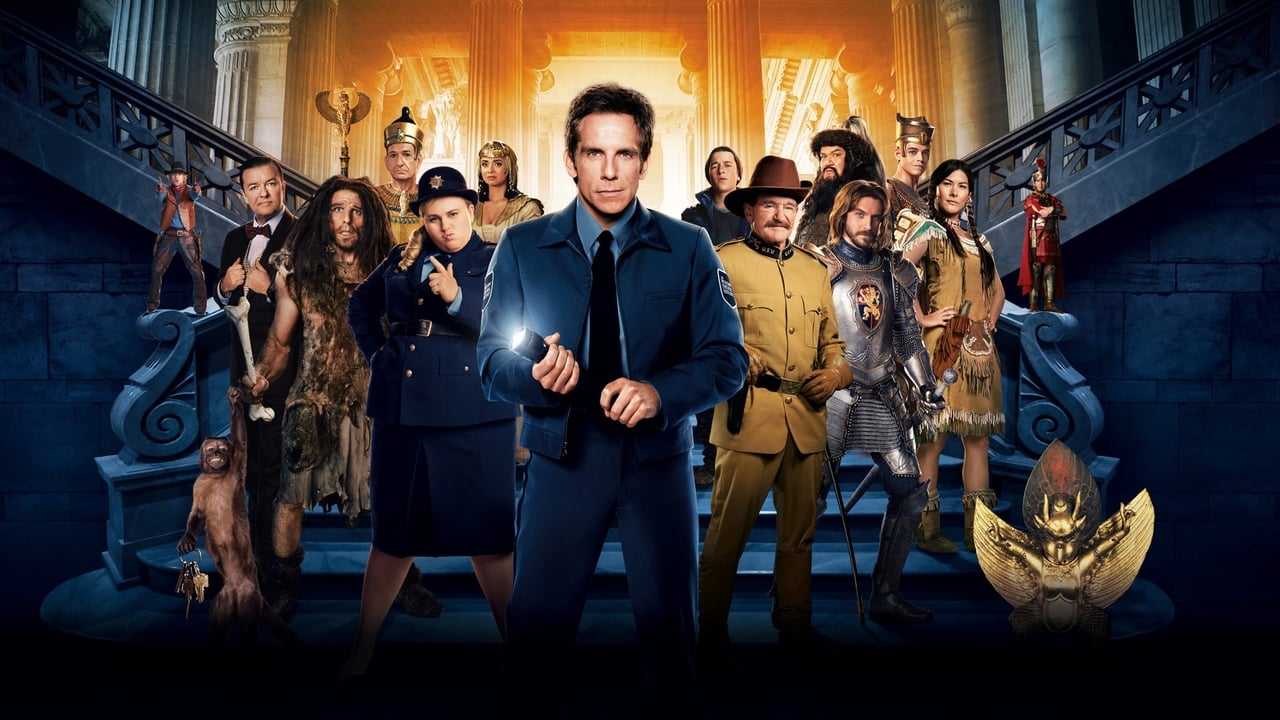
Ben Stiller is essentially the straight man for a museum full of eccentrics, a role he’s perfected across several Ben Stiller family movies. In this outing, he also plays a Neanderthal lookalike named Laaa, which provides some of the broader physical comedy that keeps the pacing from dragging.
We also get Rebel Wilson as a British security guard. Her inclusion is a clear attempt to inject some fresh comedic blood into the series. While she’s usually known for edgier roles, her performance here is safely within the PG lines. You can see more of her kid-friendly versus grown-up work in our guide to Rebel Wilson kids movies. She and Stiller have a decent back-and-forth, even if the "security guard who hates her job" trope is one we’ve seen a dozen times before.
Why the "mid" scores matter
Critics weren’t kind to this movie, and that 47 Metacritic score is a fair warning. It’s a functional movie. It hits the beats it needs to hit, wraps up the character arcs, and provides a clean exit for the franchise. It doesn't have the wonder of the 2006 original, but it’s a much more cohesive film than the second one.
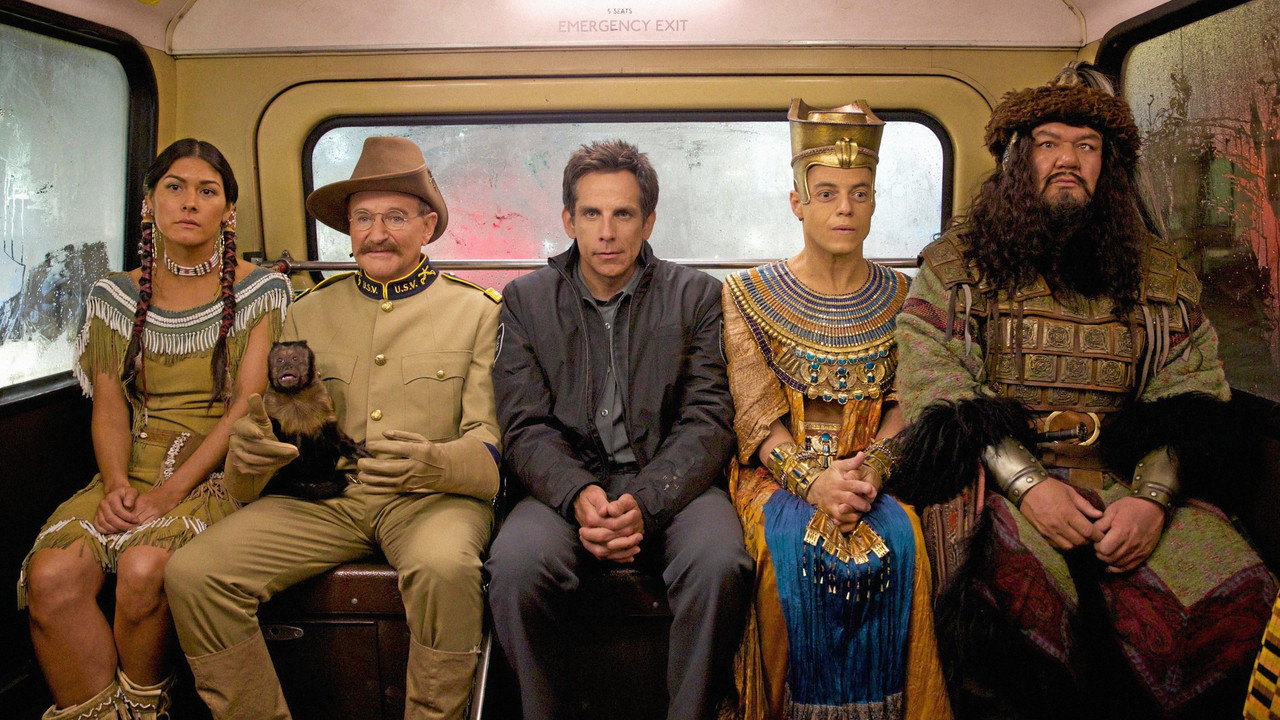
The real value here is for the completionists. If you’ve spent five hours watching the first two, you owe it to the kids to see how it ends. Just don’t expect a masterpiece. It’s a comfortable, predictable 98 minutes that works best as the background noise for a rainy Sunday. For parents, the final scenes with Robin Williams are the only part that will likely stick with you after the credits roll. He brings a level of sincerity to Teddy Roosevelt that the script doesn't always deserve, making the farewell feel earned despite the movie's flaws.