The appeal of the hyper-competent teen
Nancy Drew is the ultimate "competence porn" for the middle-grade set. While many modern protagonists spend half the book moping about their feelings or waiting for a magical prophecy to kick in, Nancy is out here driving a roadster and investigating a literal house fire. In The Clue in the Diary, she isn't just stumbling into a mystery. She is making a deliberate choice to clear the name of Joe Swenson, an inventor who’s been swindled.
It is refreshing to see a character who is motivated by a sense of justice rather than just boredom. Nancy has agency that feels earned. She has a car, she has a supportive (if largely absent) father, and she has a brain that she actually uses. For a kid who feels like they have zero control over their own life, watching Nancy navigate a world of "unscrupulous dealers" and chemical formulas is pure wish-fulfillment.
A different kind of pacing
If your kid is coming from the world of high-octane Netflix shows or fast-paced graphic novels, the 1932 prose might feel like a bit of a culture shock. The sentences are structured, the vocabulary is surprisingly sophisticated, and the plot doesn't rely on cheap cliffhangers. It is a stamina-builder.
The mystery itself is a genuine logic puzzle. You have to track the movements of the "gaunt stranger" and understand the stakes of a patent theft. It’s not a "vibes-based" mystery where the answer just falls into her lap at the end. If a reader can get through Nancy’s methodical search for Felix Raybolt, they are building the mental muscles needed for more complex classic literature later on. Just be prepared for some "wait, what’s a patent?" questions. The stakes are grounded in real-world consequences like financial ruin and arson, which makes the payoff feel much more substantial than a typical "who stole the cookies" school mystery.
Making the connection
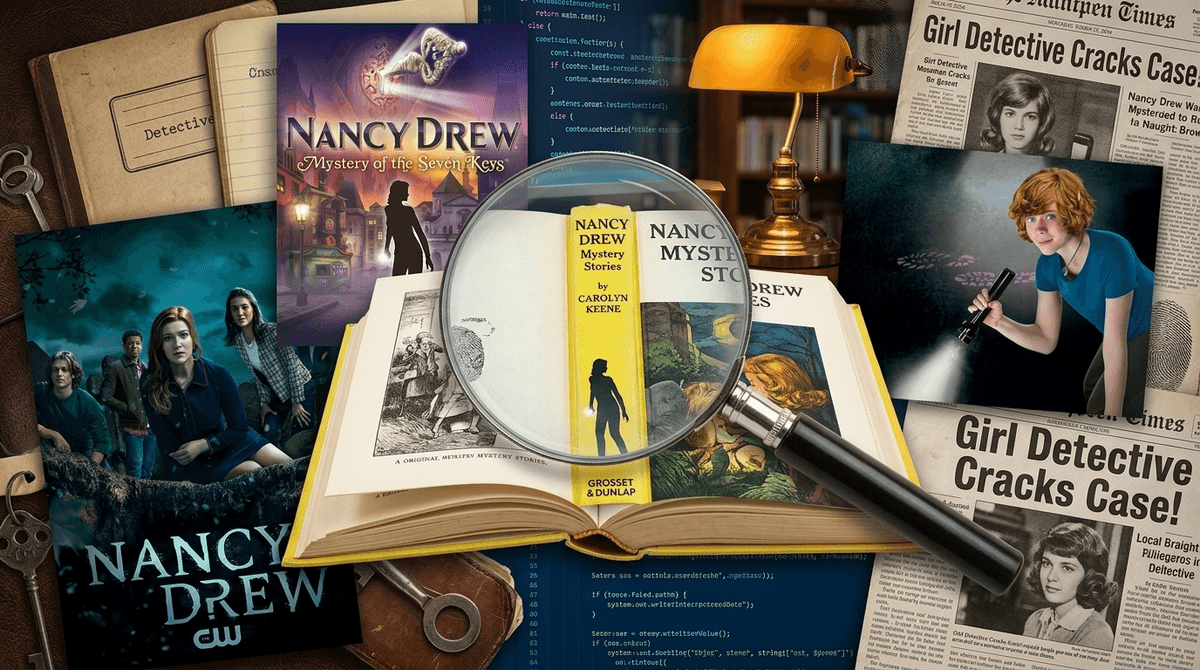
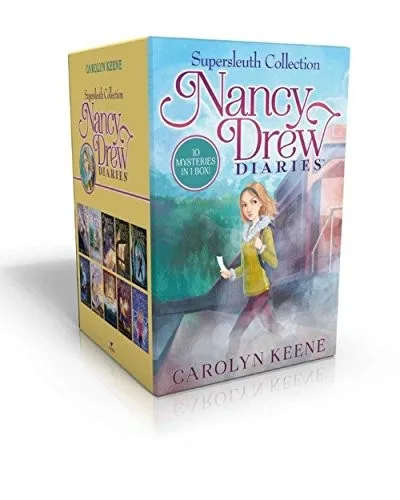
We see a lot of parents asking about Nancy Drew: Solving the Mystery of Modern Reboots, and it is worth noting that this original 1930s flavor is much more straightforward than the supernatural or "gritty" versions you’ll find on TV today. This is Nancy in her purest form. There are no secret societies or haunted woods—just a girl with a magnifying glass and a very strong moral compass.
If your kid liked the puzzle-solving in The Mysterious Benedict Society or the "competent kids vs. incompetent adults" energy of A Series of Unfortunate Events, this is a logical next step. It’s the blueprint for the entire genre. The villain names like "Foxy Felix" might be a little on the nose, but the core satisfaction of seeing a smart person solve a difficult problem never really goes out of style.