More than a toy commercial
It is easy to look at a show born from a 1980s toy line and assume it’s a cynical, 22-minute commercial. But the 2010 relaunch of My Little Pony succeeded because it treated its characters like actual people—or at least, actual ponies with distinct, often clashing personalities. The "Mane Six" aren't just color-coded archetypes; they are flawed. You have a high-achieving academic with social anxiety, a fashionista who can be materialistic, and a literal farmhand who is stubborn to a fault.
The 7.8 IMDb score isn't a fluke driven by nostalgia. It’s a reflection of writing that respects the audience. The show operates like a workplace or ensemble comedy, where the humor comes from these specific personalities rubbing each other the wrong way. Because the characters have real friction, the "lessons" at the end of the episodes actually feel earned rather than forced.
The value of the "Mean Girl" moments
You will see parents on Reddit or review sites complaining about "cattiness" or characters being rude to one another. It’s a valid observation—the ponies can be judgmental, jealous, and occasionally outright mean. However, that’s exactly why the show works.
If you’re looking for a show where everyone is nice all the time, this isn't it. But if you want a show that models how to repair a relationship after someone has been a jerk, My Little Pony is the gold standard. It spends less time on "be nice" and more time on "here is how to apologize when you weren't nice." It’s a nuanced take on social-emotional intelligence that most kids' programming ignores in favor of easy platitudes.
Navigating the "Scary" episodes
While the bulk of the series is bright and comedic, it does lean into its "Adventure" genre tag. The season premieres and finales often involve high-stakes fantasy conflict—think ancient monsters, dark magic, and villains who genuinely want to upend the world. For a five-year-old, the shift from a story about baking cupcakes to a story about a shadow king can be jarring.
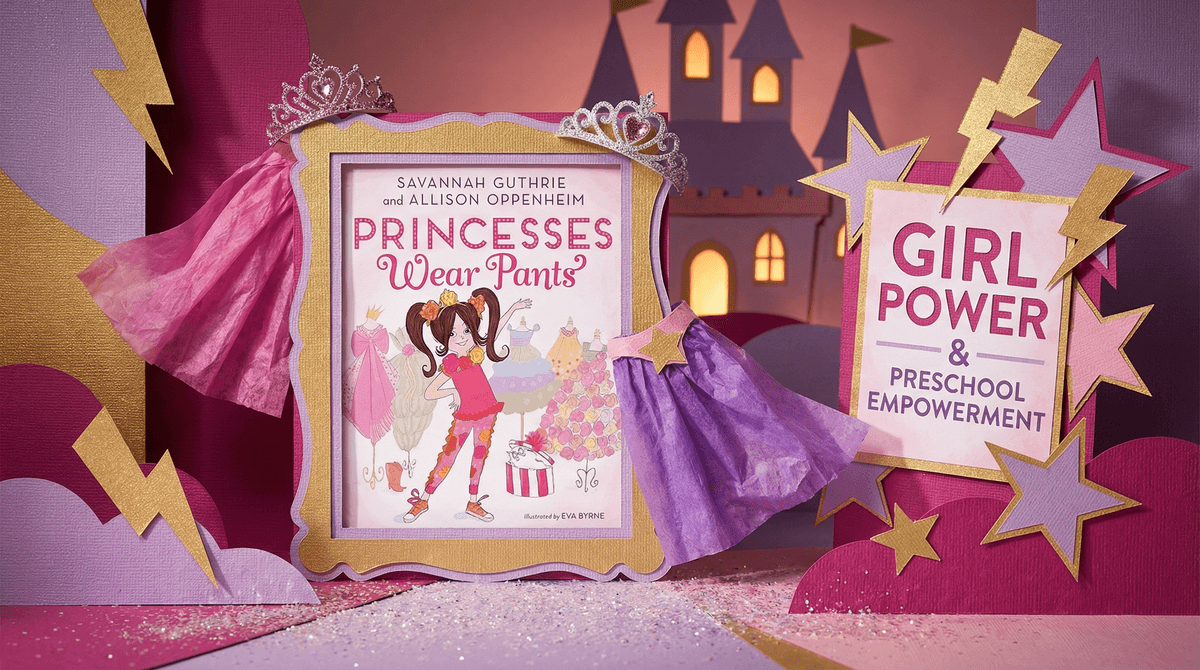
If your child is on the younger end of the spectrum or is particularly sensitive to "boss battle" energy, you might want to pivot. For a similar vibe that stays firmly in the "gentle and empowering" lane without the looming threat of magical doom, the ultimate guide to Princess Power offers a more preschool-friendly alternative.
Why it sticks
The show's longevity—nine seasons and a massive cult following—comes down to the world-building. It builds a internal logic and a history that rewards kids who pay attention. It’s a rare "bridge" show: something that is safe enough for a kindergartner but complex enough that a ten-year-old won't feel like they are watching "baby stuff." You’ll know your kid is hooked when they start asking about the lore of the different pony tribes or the history of the world, and honestly, you might find yourself actually caring about the answer.