The "Hopecore" Antidote to Grimdark Fatigue
If you spent the last decade feeling like superhero media was becoming a contest to see who could be the most miserable, this show is the correction. It’s part of a broader shift toward "hopecore"—stories that prioritize sincerity, kindness, and bright colors over rain-soaked alleys and moral ambiguity.
While the "Snyder-verse" era of DC films leaned into a Superman who felt like an alien god burdened by humanity, My Adventures With Superman gives us a Clark Kent who is just a guy trying to do his best. He’s clumsy, he’s earnest, and he’s genuinely excited to help people. For kids who might find the "gritty reboot" trend boring or stressful, this version of Metropolis feels like a place they actually want to visit. It’s a great entry point if you’re trying to navigate the new era of Superman without exposing your ten-year-old to the heavier existential dread of the older films.
Shonen Energy in Metropolis
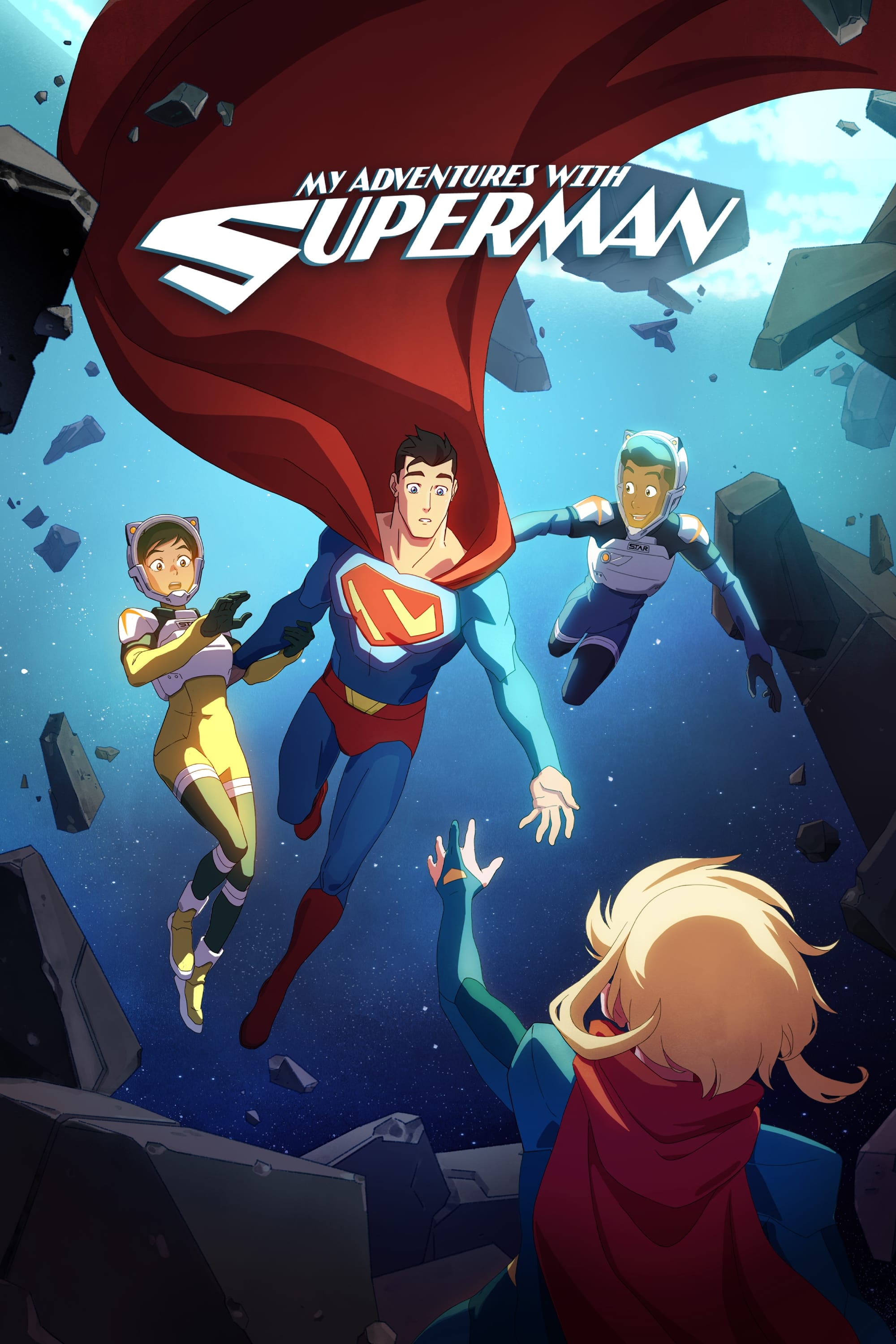
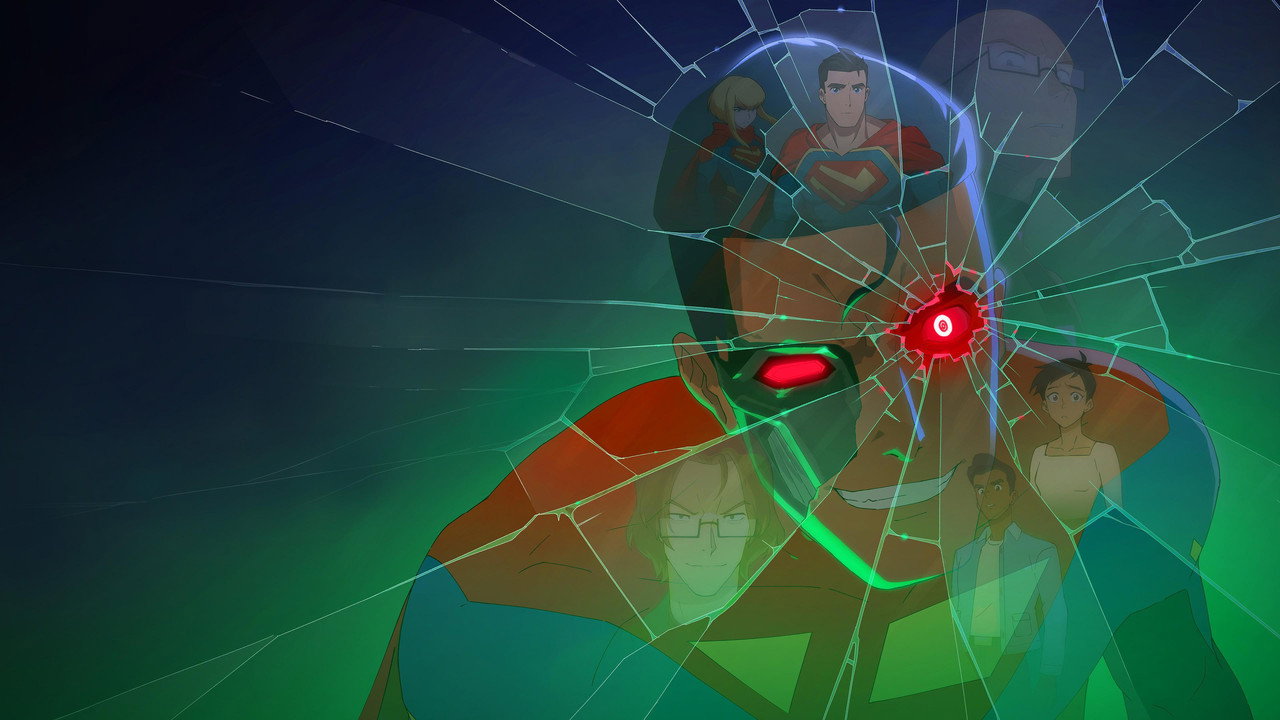
The most striking thing about the show is the aesthetic. This isn’t the blocky, Bruce Timm-style animation of the 90s. It draws heavily from shonen anime—think My Hero Academia or Voltron: Legendary Defender. The action sequences are kinetic and stylized, with "transformation" sequences for Clark’s suit that feel straight out of Sailor Moon.
This matters because it speaks the language of current kids. If your household is already deep into Crunchyroll or spends weekends discussing the best teen-friendly superhero shows, this will click instantly. The show uses that anime energy to make Clark’s powers feel new. We see the physical toll of him learning to use heat vision or super-hearing for the first time, which adds a layer of "coming-of-age" friction that usually gets skipped in Superman origin stories.
A Workplace Comedy in Disguise
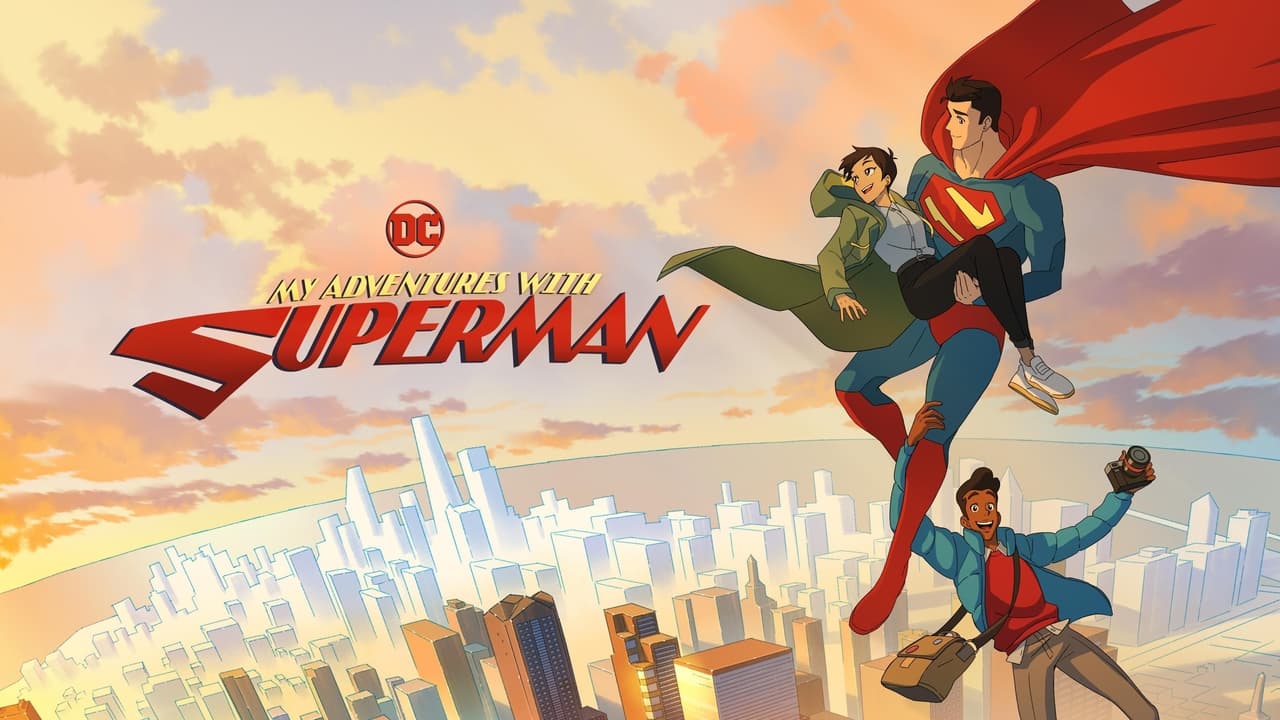
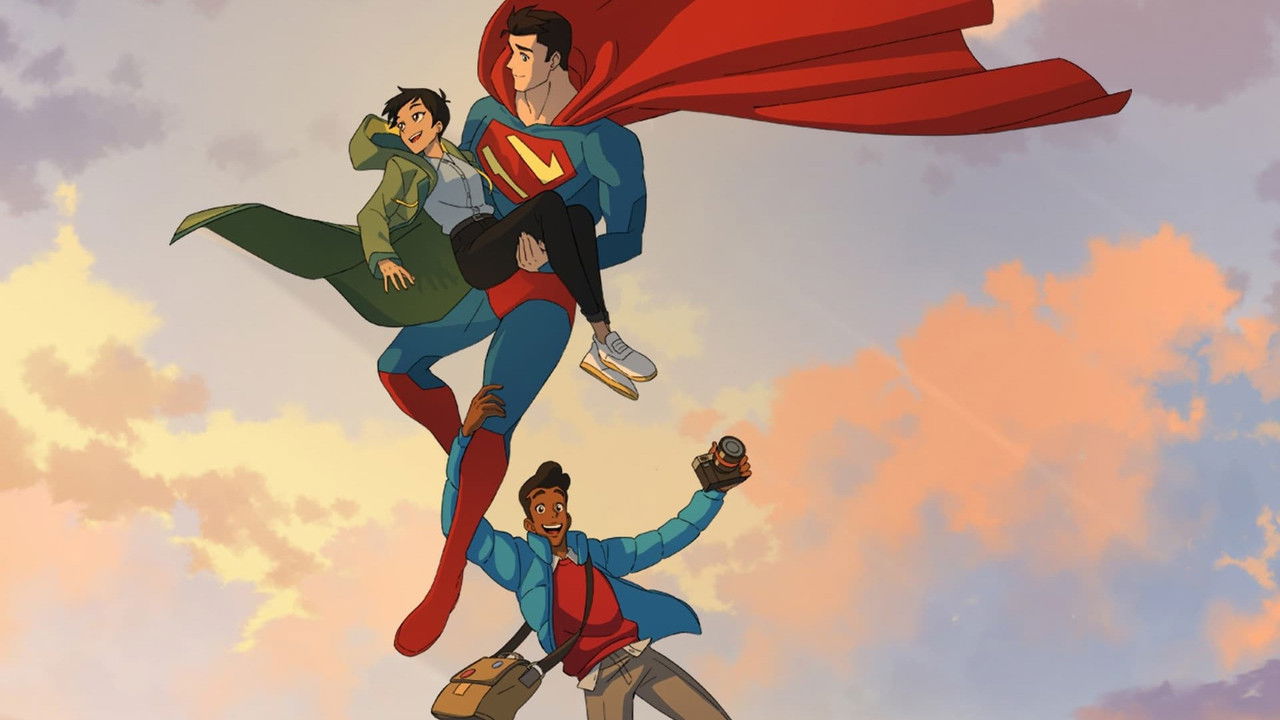
While the show has "Superman" in the title, it’s really an ensemble piece about three interns at the Daily Planet. The dynamic between Clark, Lois, and Jimmy Olsen is the actual engine of the series.
- Lois Lane is a chaotic, ambitious investigative reporter rather than just a love interest.
- Jimmy Olsen is a conspiracy-theorist photographer who actually has a brain and a social media following.
- Clark is the muscle and the heart, but he’s often following their lead.
The focus on investigative journalism provides a great hook for parents who want to talk about media literacy. The trio isn't just fighting robots; they’re trying to uncover the truth, verify sources, and hold powerful people accountable. It’s a subtle way to show that being a hero involves more than just having big muscles.
Why it works for the 2026 viewer
With Season 3 arriving on the horizon, this show has solidified itself as the "comfort food" of the DC lineup. It’s a rare win-win: it’s sophisticated enough that you won't want to scroll on your phone while it's on, but it’s safe enough that you don't have to hover over the remote.
If your kid is transitioning out of strictly "little kid" cartoons but isn't quite ready for the R-rated cynicism of some modern hero parodies, this is the sweet spot. It honors the legacy of the character while making him feel like a contemporary twenty-something. For a deeper look at why this specific version of the Man of Steel is such a departure from the "edgy" years, check out our update on the series' direction. It’s a reminder that sometimes, the most radical thing a superhero can be is nice.