The logic grid learning curve
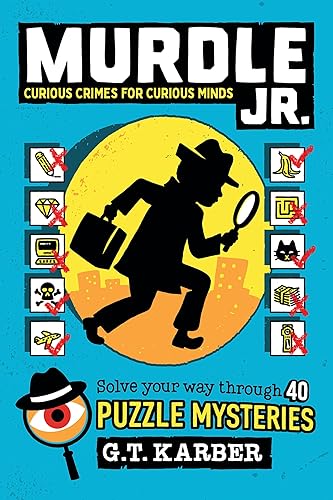
The "Murdle" phenomenon isn't just about reading a mystery; it’s about processing data. If your kid hasn't encountered a logic grid before, the first five minutes of this book might look like a math test. But once they realize that "Julius wasn't in the garden" means they can X out an entire column, the dopamine hit is real. It’s a specific kind of satisfaction that most "brain games" miss because they lack the narrative hook.
Unlike a standard crossword or Sudoku, these puzzles require kids to hold multiple "if/then" scenarios in their heads at once. G.T. Karber has essentially gamified the scientific method. If your kid is the type to get frustrated when they don't get something immediately, do the first two mysteries together. Once they understand how to translate a sentence into a mark on the grid, they’ll likely disappear into the book for an hour.
The pivot from screen time
We talk a lot about finding "bridge" activities—things that have the same quick-hit engagement as a tablet but without the blue light. This is the logic puzzle for kids who’d rather be playing Roblox because the mysteries are bite-sized and episodic. Each case is a self-contained win.
The 4.8-star rating on Amazon isn't just hype from puzzle nerds. It reflects how well the book handles the pacing. Karber keeps the stakes low—think stolen cookies, suspicious pets, and neighborhood mishaps—but the deduction is legit. It’s training wheels for critical thinking without the lecture. If you’ve been trying to get them off YouTube and into something tactile, this is a much easier "sell" than a 300-page novel.
Meet the junior detectives
The cast makes the book feel less like a workbook and more like a club. You have Jake (the muscle), Olivia (the tech expert), and Julius (the brains), but Buster McPaws is the clear MVP. Kids respond to recurring characters because it builds a sense of continuity across the 40 mysteries.
By the time they reach the final cases, they aren't just solving a puzzle; they’re helping their "friends" finish a mission. This narrative thread is what separates Murdle Jr. from the generic puzzle books you find in the airport gift shop. It feels like a world they can inhabit.
Why the "Jr." tag matters
If you have a particularly sharp 12-year-old, you might be tempted to jump straight to the adult Murdle books. Don't. The adult versions often involve actual murders and much more complex "if/then/but" logic that can lead to a wall of frustration. The "Jr." version is the sweet spot.
It’s designed for the 8-12 crowd, but it’s sophisticated enough that you won't be bored if you're looking over their shoulder. It’s also one of the best car-ride activities we’ve seen in a while. Just make sure they have a pencil with a good eraser. Mistakes will happen, and being able to wipe the grid clean and start over is part of the process.