From Monsters to Mindfulness
You might remember Moshi from its original incarnation, Moshi Monsters, which was all about frantic collecting and social gaming. That era is dead. The 2017 reboot into Moshi Kids was a brilliant pivot. They took that cute, established IP and applied it to the 'Sleep Tech' space, and the results are surprisingly high-brow.
What sets Moshi apart from generic YouTube 'sleep music' or basic white noise machines is the quality of the writing. These aren't just rambling stories; they are structured using melodic progression—starting with a bit of engagement and slowly, mathematically dropping the tempo and volume until your kid is out. It’s basically hypnosis for toddlers, but without the weirdness.
The 'Play' Paradox
The app has expanded recently to include interactive games like puzzles and coloring. While these are fine and 'safe' in the sense that there are no ads or creeps, they do create a bit of a conflict of interest. If you hand your kid a tablet for Moshi at 8:00 PM, they're going to want to play the memory game, not listen to the calming story about a sleepy sloth.
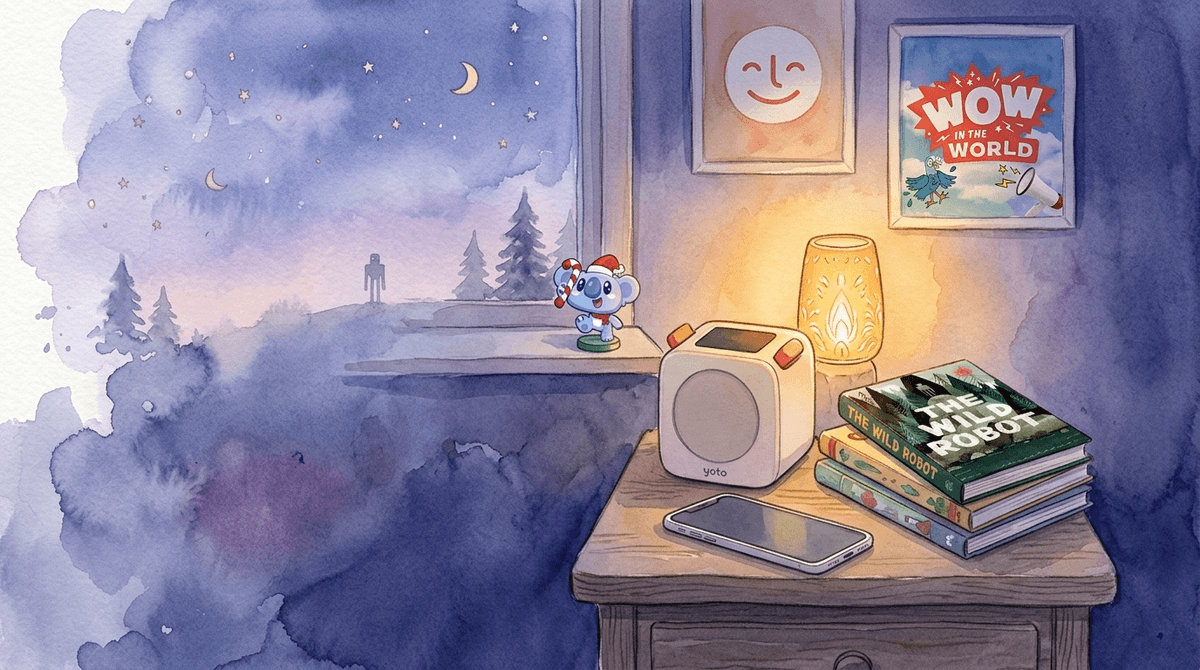
Pro-tip: Use the app on a tablet or phone that you keep on a nightstand, and treat it as an audio player. If you let them hold the device, you're defeating the purpose of the 'Relax' and 'Sleep' categories.
Is the Subscription Worth It?
At roughly $40-$60 a year (depending on the promo), it’s not cheap. However, when you compare it to the cost of a Toniebox or a Yoto player and the individual cost of those physical cards/figures, Moshi’s library is massive. It’s also a great alternative to the Calm app, which is fantastic but feels more 'adult-corporate' in its interface. Moshi is built for the kid's eye, and it shows.