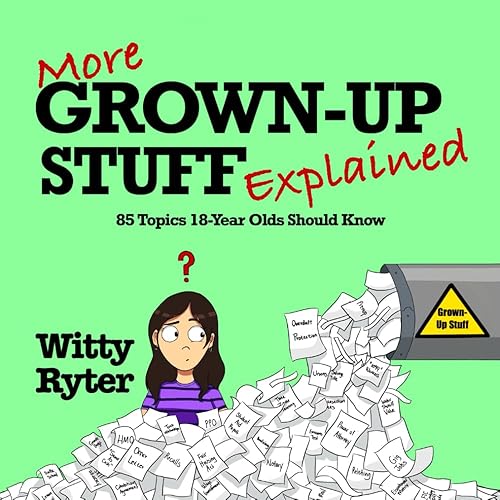
Author Witty Ryter clearly realized that 75 topics weren't enough to cover the chaos of being 18. This 2025 follow-up brings 85 fresh entries to the table, and while the "adulting" genre is often crowded with books that feel like they were written by a HR department, this one stays useful. It’s the literary equivalent of a "cheat code" for the kid who is about to get their first utility bill and realize they have no idea what a "security deposit" actually covers.
The "Hidden Curriculum" of Adulthood
Most high school seniors can tell you about the mitochondria, but they’re functionally illiterate when it comes to reading a rental agreement or navigating a health insurance portal. This book targets that specific gap. It doesn't treat the reader like they’re stupid; it treats them like they’re busy.
The 18-to-22 window is when most young adults get hit with their first "expensive mistake"—the overdraft fee, the missed oil change, or the credit card interest trap. By covering topics like debt and car maintenance in a single-page format, Ryter provides a buffer against those avoidable disasters. It’s less about "parenting" and more about providing a reference manual for the stuff that usually requires a frantic 11:00 PM phone call home.
Why the Visuals Work (Even in B&W)
The decision to keep the book in black and white might feel like a budget move, but it actually keeps the focus on the utility. The cartoons aren't there to be high art; they function as mental anchors. For a generation that consumes information in vertical video and infographics, a 500-page dense textbook on personal finance is a non-starter.
The bite-sized layout means a teen can flip to a random page and actually learn how a lease works in about ninety seconds. It’s designed for the attention span of a modern college student. If you’re looking for a high-gloss coffee table book, this isn't it. If you want something that will actually get read while they’re sitting in a laundromat for the first time, this is the winner.
The Graduation Gift Strategy
If you hand this to a 17-year-old and tell them they need to study it, they will likely use it as a coaster. The best way to deploy this is as part of a launch kit. Toss it in a box with a basic toolkit, some high-quality towels, and a first-aid kit.
It currently holds a 4.6 rating on Amazon for a reason: it’s a low-pressure way to give a kid a sense of agency. When they inevitably hit a wall—whether it's a "check engine" light or a confusing tax form—they’ll remember the cartoon that explained exactly what to do next. It’s about building confidence, not just checking off a list of chores.