The "accidental boss" dynamic
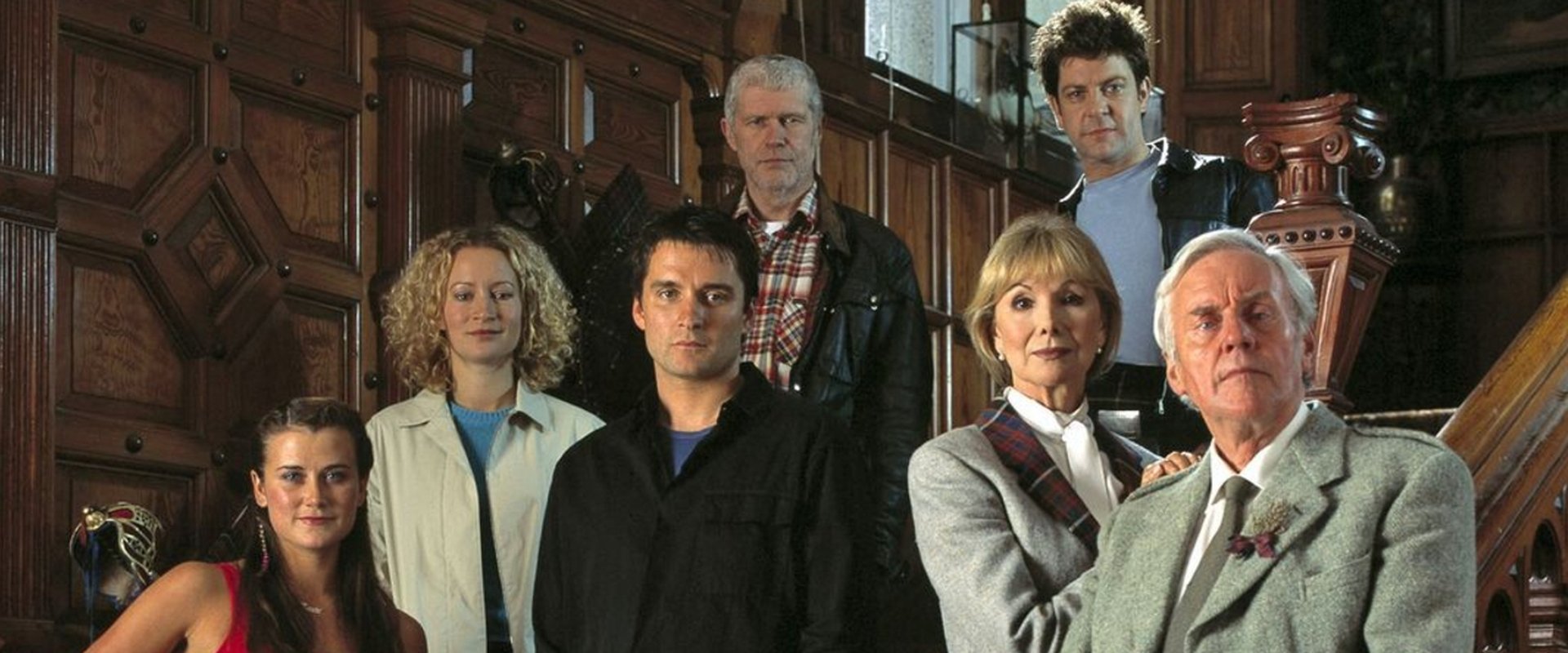
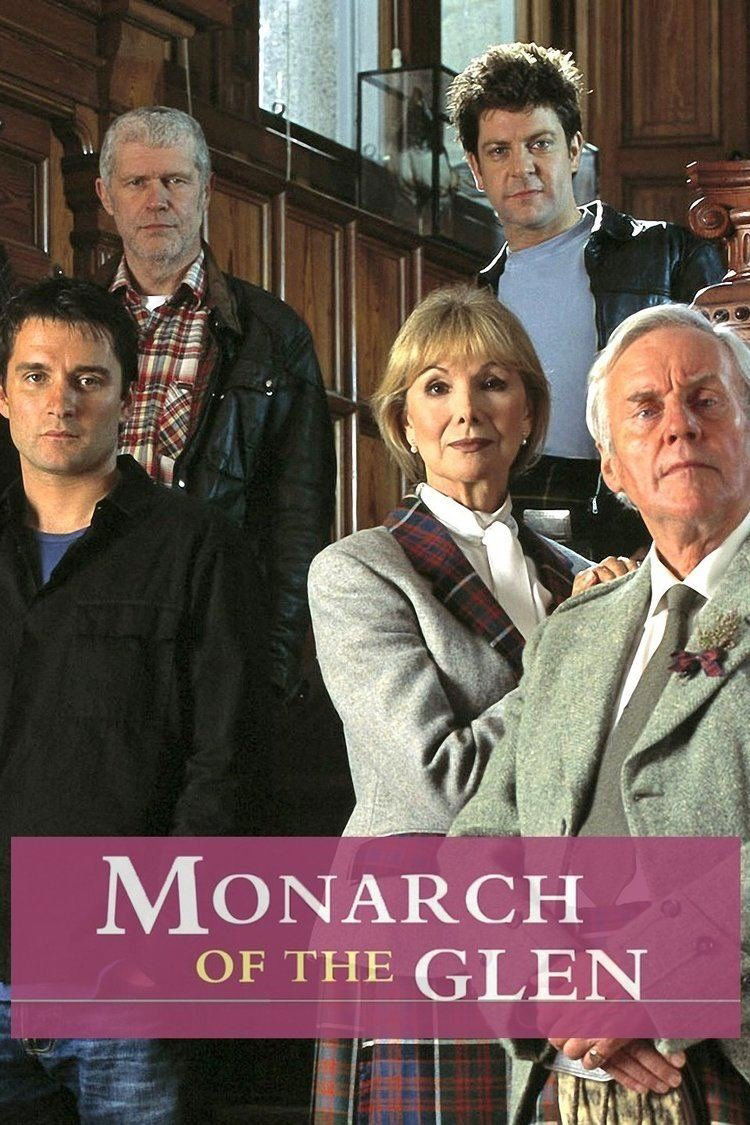
At its heart, Monarch of the Glen is a fish-out-of-water story that predates the modern "rich family moves to a quirky small town" trope. Archie MacDonald is a London restaurateur—someone who cares about spreadsheets and soufflés—suddenly forced to manage a crumbling Scottish estate and a staff of eccentric locals who have been there longer than he’s been alive.
The friction doesn't come from villains or world-ending stakes. It comes from the clash between modern efficiency and centuries of "this is how we've always done it." For a kid who enjoys seeing an "expert" get humbled by people who actually know how the world works, there’s a quiet satisfaction here. Archie thinks he’s in charge because of his title, but the show spends seven seasons proving he's actually just the latest caretaker of a very expensive, very beautiful headache.
Why the pacing feels "off" to modern eyes
If your household is used to the breakneck speed of modern streaming dramas where every episode ends on a cliffhanger, this will feel like it’s moving through molasses. In 2000, BBC dramas weren't designed for binge-watching; they were designed for Sunday nights when the most exciting thing you had planned was a cup of tea.
The show relies on a "problem of the week" structure. One week it’s a dispute over a fence; the next, it’s a misguided attempt to turn the castle into a tourist trap. Because there’s rarely a "big bad" or a looming mystery, the narrative tension is incredibly low. This is low-cortisol television. If you have a child who gets easily overstimulated or anxious by high-stakes action, this is a safe harbor. But for a kid who needs a "hook" to stay off their phone, the hook here is basically non-existent.
The Schitt’s Creek connection
If your teen found the early seasons of Schitt’s Creek funny—specifically the parts where a high-society family has to navigate rural eccentricities—they might find the DNA of that humor here. It’s much more polite and lacks the biting wit of modern sitcoms, but the core theme of "the city kid who knows nothing about the country" is identical.
It also works as a companion piece to the recent revival of All Creatures Great and Small. It’s that same brand of "heritage TV" where the scenery is a primary character. If your kid is the type who actually stops to look at the view on a hike, they might appreciate the cinematography. If they’re the type who asks "are we there yet?" after five minutes in the car, they will find the sweeping shots of the Highlands excruciating.
How to use it as "bridge" media
This isn't a show you sit down to "watch" in the active sense. It’s the ultimate background show. It’s great for:
- A rainy Saturday when everyone is doing a puzzle or drawing.
- Introducing the concept of "period-ish" drama without the heavy sexual politics of Bridgerton or the density of Downton Abbey.
- Showing a version of "manhood" that is about responsibility, community, and admitting when you're wrong, rather than being the toughest guy in the room.
The IMDB 7.8 rating is a testament to how well it executes this specific, cozy niche. It isn't trying to be prestige TV; it’s trying to be a hug. Just make sure your kids know that sometimes a hug lasts longer than they might want it to.