The "Flanagan" pace
If you’ve seen the director’s previous work on Netflix, you know the drill: long, unbroken takes and characters who speak in poetic, five-minute monologues. Critics love it, but some fans on Reddit find it exhausting. This isn't a show you put on while scrolling through your phone. If you miss a three-minute speech about the nature of death, the eventual payoff in the finale won't land.
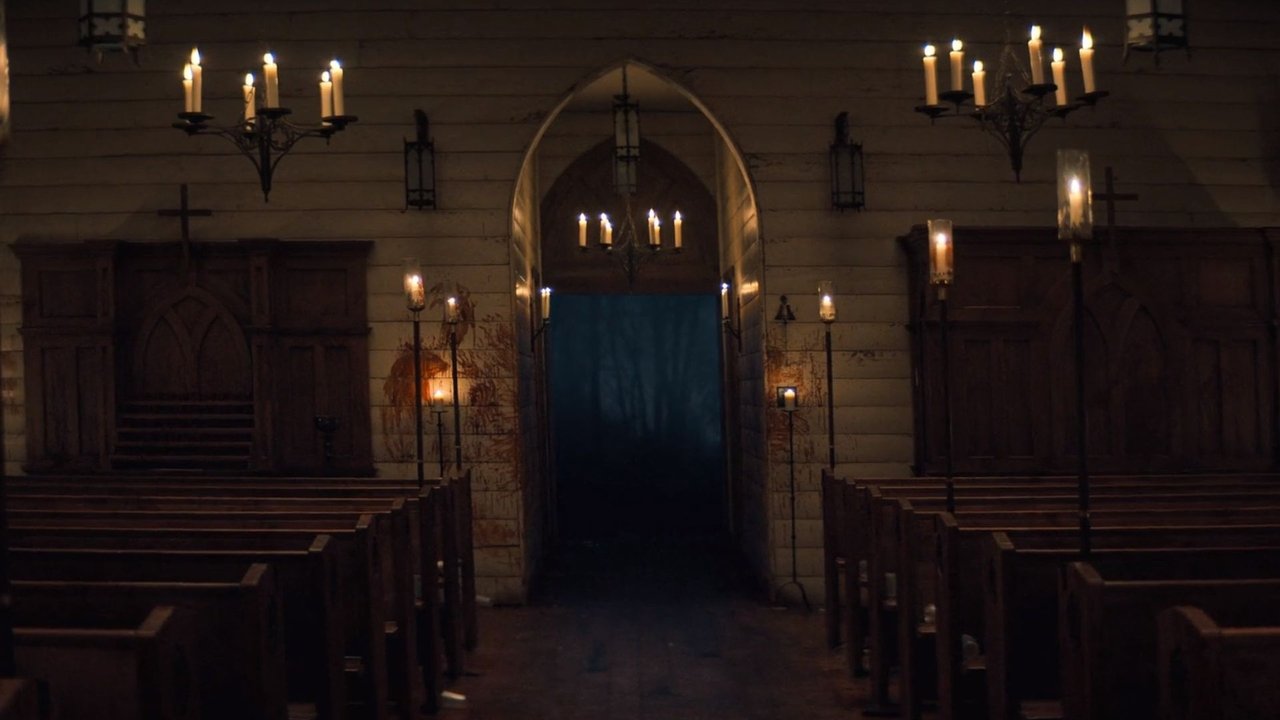
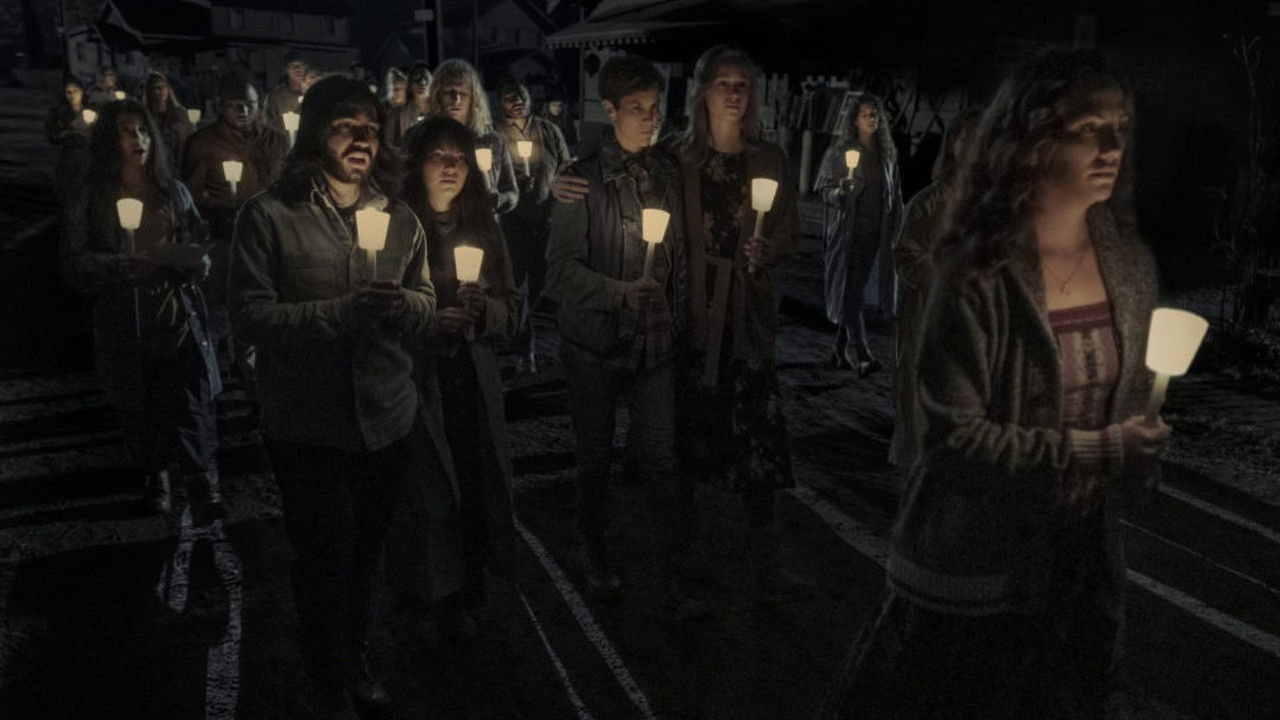
It’s less of a jump-scare factory and more of a pressure-cooker. The horror doesn't come from things jumping out of closets; it comes from the realization that the townspeople are so desperate for hope that they’ll ignore the blood on the floor. If your teen is looking for a Scream-style slasher, they will be bored by episode two. But if they liked the atmospheric dread of a slow-burn mystery, this is the gold standard.
The theological friction
What makes this specific work stand out is how it uses the "vampire" mythos without ever actually using the V-word. By framing supernatural predatory behavior as a miracle, the show forces a conversation about how easily people can weaponize faith.
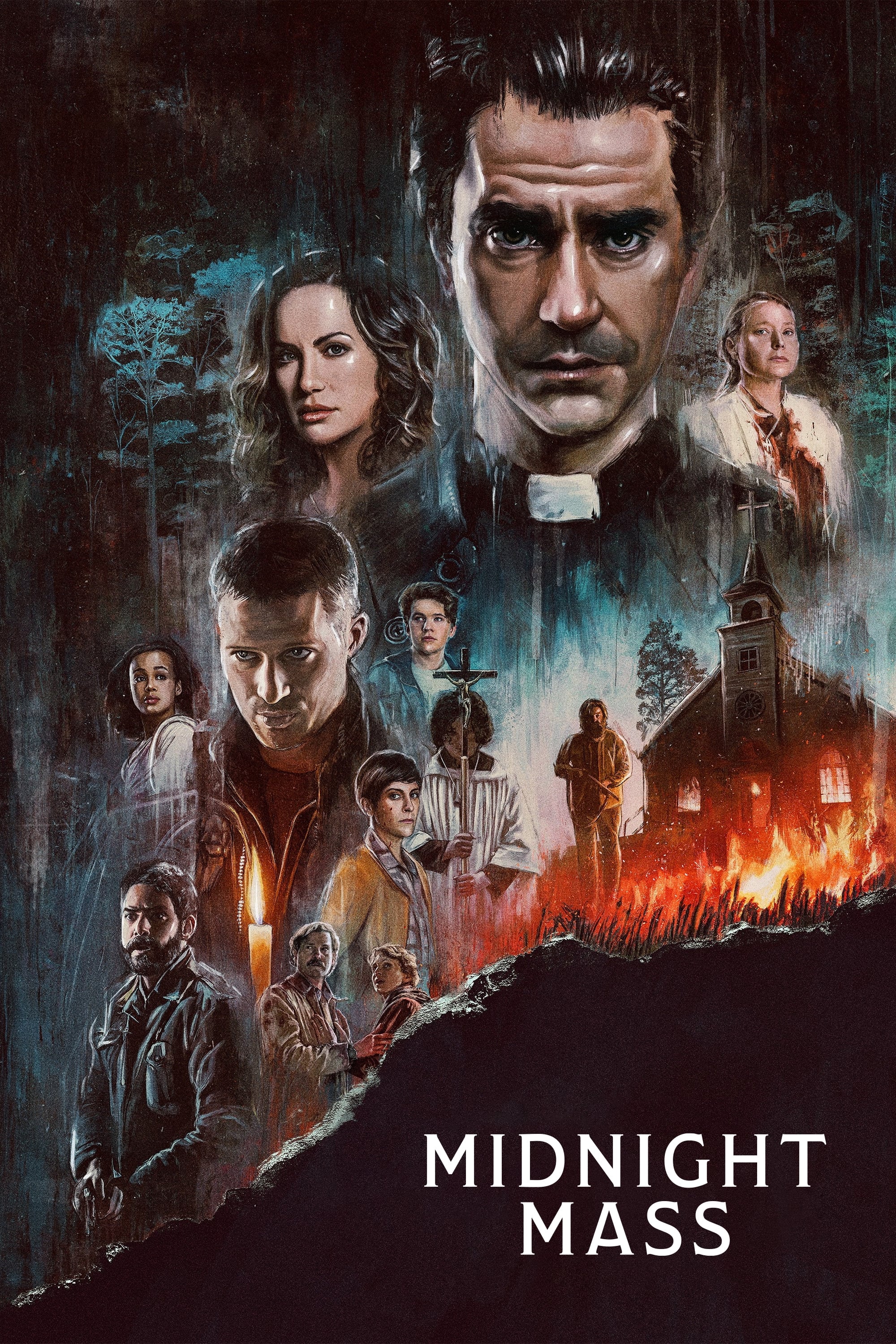
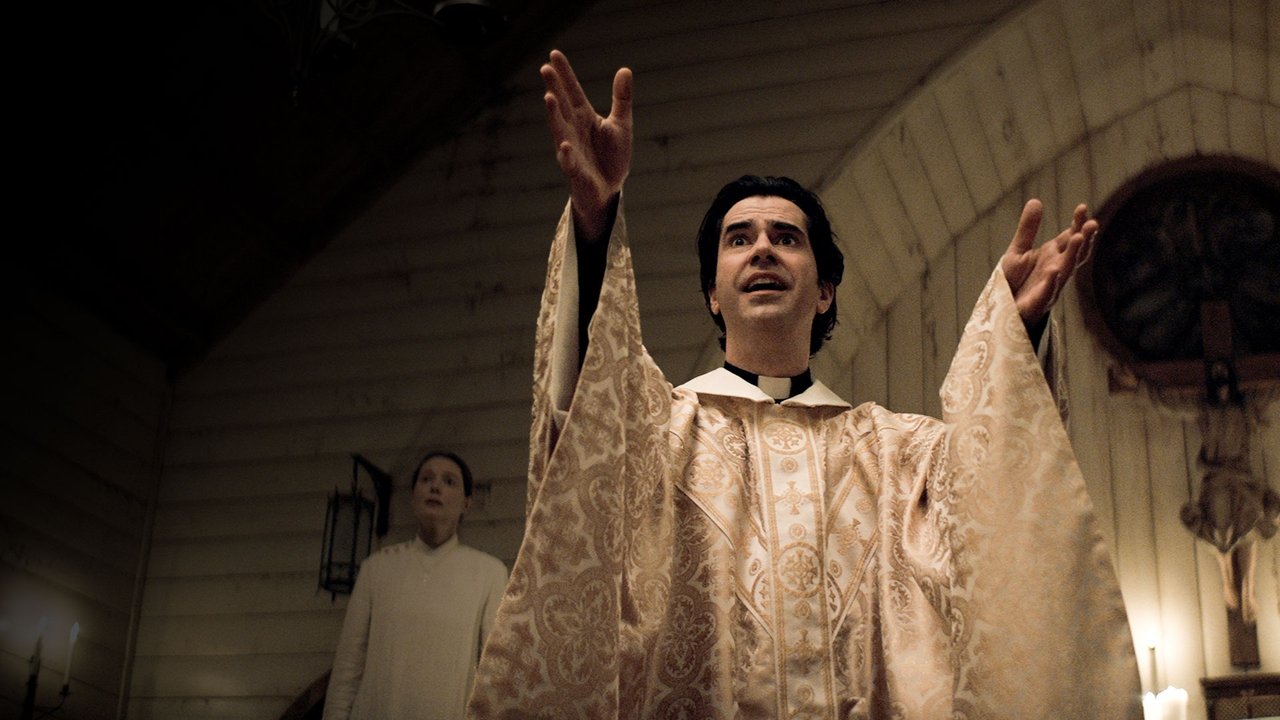
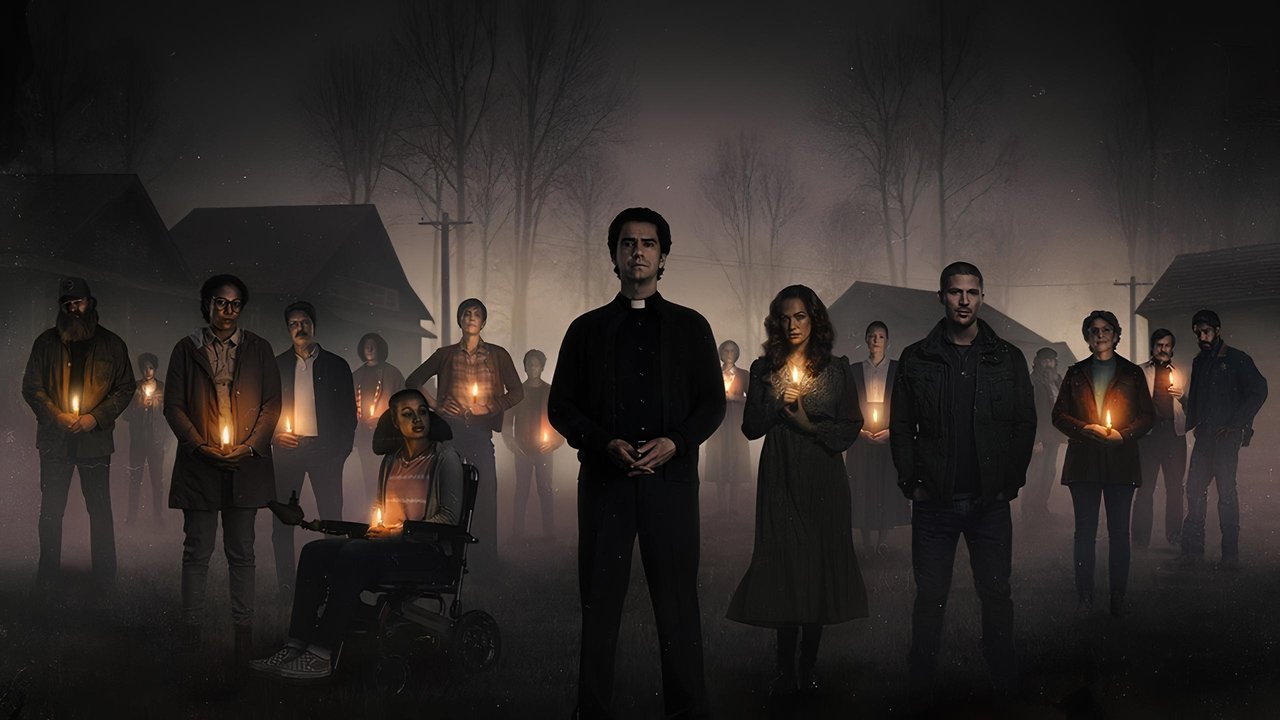
It’s a gutsy move that makes it one of the most intellectual horror shows available. The performances, particularly Hamish Linklater as the priest, are so grounded that you almost start to believe his logic yourself. This creates a specific kind of friction for viewers: you’re rooting for the characters even as you watch them make increasingly horrific choices. It’s not "evil" people doing bad things; it’s "good" people doing bad things because they think it’s God’s will.
Why the age rating is a suggestion, not a rule
Common Sense Media puts this at 13, but that feels optimistic. It’s not just the gore—which gets truly explosive in the final two hours—but the sheer weight of the themes. We’re talking about a show that spends a significant amount of time on the trauma of a hit-and-run accident and the slow rot of a community that has lost its industry.
The "Pike" scene mentioned in the warnings is a perfect example of the show’s cruelty. It’s not stylized movie violence; it’s mean-spirited and realistic, designed to show you exactly how heartless some of these characters can be. If your kid is sensitive to the "sadness" of horror rather than just the "scary" parts, this will hit them hard.
The "watch-together" factor
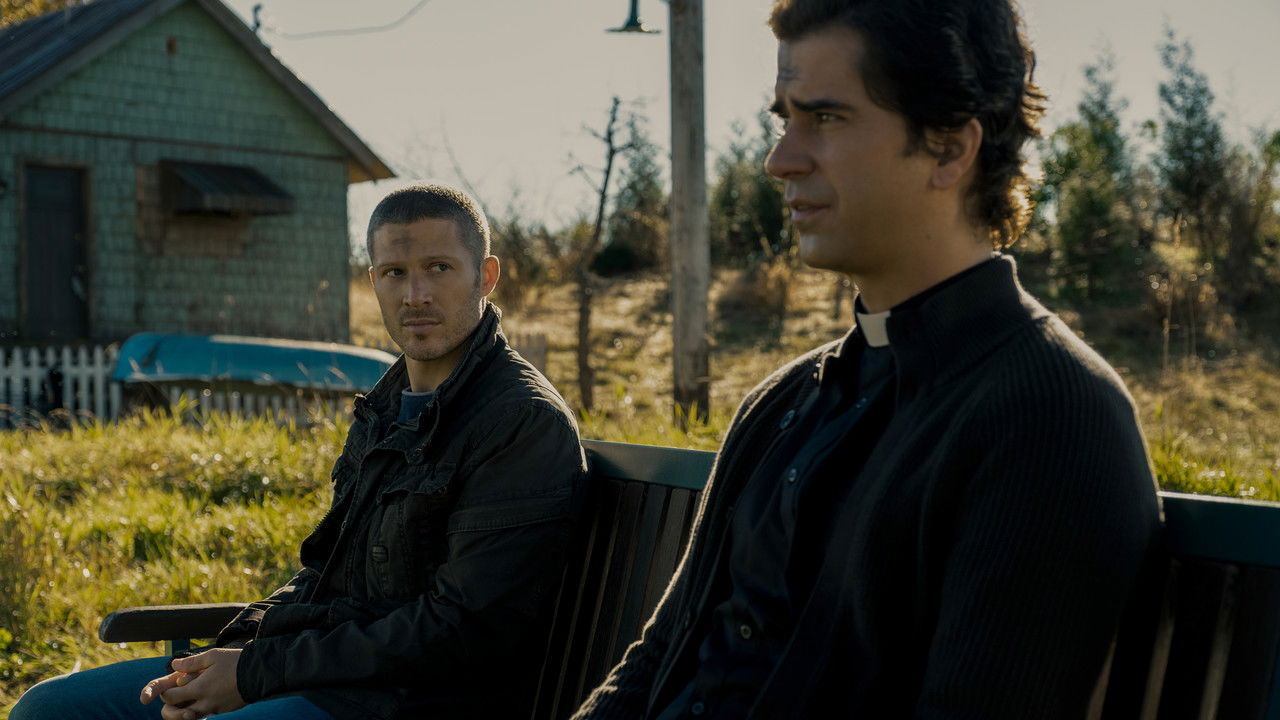
This is the ultimate "let's talk about it" show. Because it deals so heavily with recovery and addiction, it offers a way to talk about those topics without it feeling like a school assembly. The dialogue between Riley and Erin about what happens when we die is some of the best writing on television, period.
If you decide to watch this with an older teen, treat it like a miniseries event. It’s seven episodes that function as a single, long movie. Once the "miracles" start happening in the middle of the season, the momentum shifts from a quiet drama into a full-blown nightmare, and you’ll want to be there to help them process the ending, which many viewers find both beautiful and devastating.