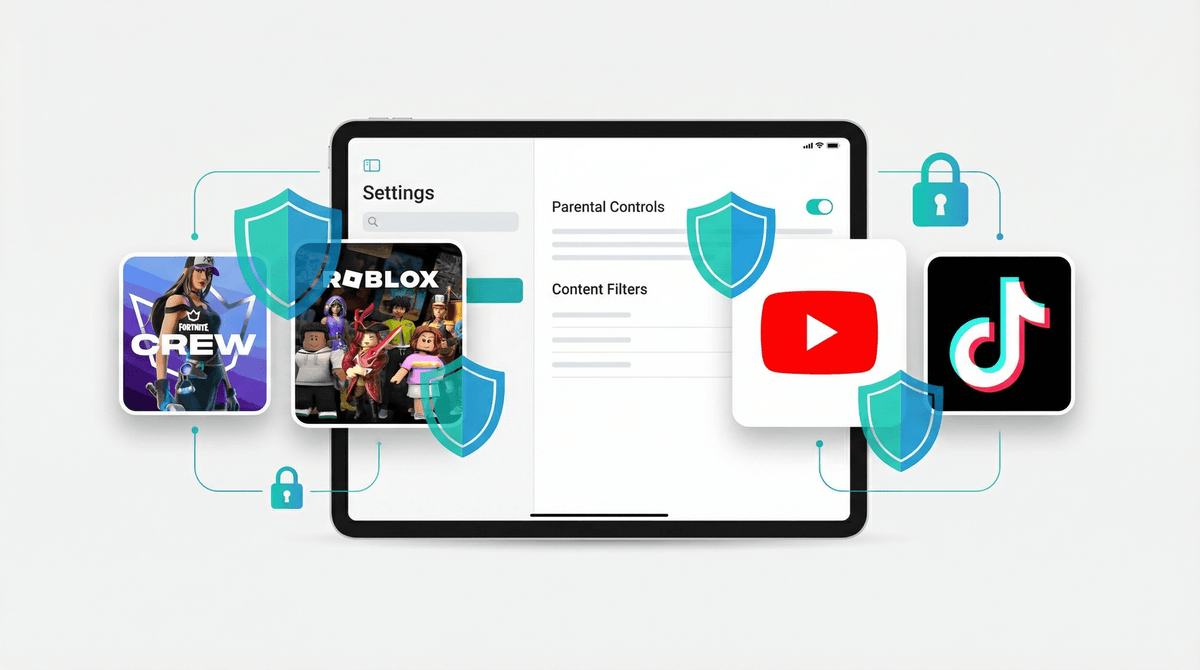


Messages is a messaging app. That's it. It does one thing—texting—and it does it well. The encryption is solid, the interface is clean, and there are no ads or algorithmic shenanigans. But here's the deal: giving your kid a messaging app is essentially giving them a direct line to anyone with a phone number, with zero supervision unless you set it up separately.
For teens who are ready for that level of independence, Messages is fine. It's functional, it's what most Android users have by default, and it's a necessary tool for modern life. But 'ready' is doing a lot of work in that sentence. Your kid needs to know how to handle unwanted contact, navigate group chat drama, avoid sharing inappropriate content, and come to you when something feels off. If they're not there yet, this app is a risk.
Messages isn't the problem—unsupervised digital communication is the challenge. If you're handing your 10-year-old an Android phone with Messages enabled and no monitoring app, you're essentially giving them the keys to the car before they can drive. For older teens with established trust and good judgment, it's a non-issue. For everyone else, proceed with caution and a plan.