The quiet rebellion
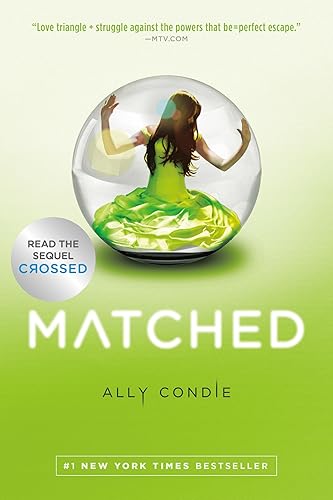
If The Hunger Games is a frantic scream against the machine, Matched is more of a persistent, rhythmic hum. It belongs to a specific subgenre of "quiet" dystopias where the horror isn't found in a bloody arena, but in the sterile, suffocating boredom of a life where every calorie, career path, and romantic partner is pre-calculated.
For a certain type of reader, this is actually more relatable. Your teen might not know what it’s like to fight for their life with a bow and arrow, but they definitely know what it feels like to have adults micromanage their schedule. Ally Condie taps into that specific adolescent anxiety: the fear that your "perfect" future is actually a cage.
Art as the ultimate contraband
One of the most effective hooks here is the Society’s "Hundred" lists. The government decided that the world was too cluttered, so they winnowed everything down to the best 100 poems, 100 songs, and 100 paintings. Everything else was destroyed.
This makes the act of reading a forbidden poem feel like a high-stakes heist. It’s a brilliant way to make classic literature feel dangerous to a middle-schooler. When Cassia receives a scrap of a Dylan Thomas poem, it carries more weight than a weapon. If you have a kid who is into art, poetry, or "aesthetic" Tumblr-style vibes, this specific plot point will hit harder than the central romance.
The "boring" factor is a feature, not a bug
You will see "boring" in plenty of reviews, and it’s a fair critique if you’re looking for high-octane action. The plot moves at the speed of a long summer afternoon. Cassia spends a lot of time hiking, sorting data at her job, and internalizing her feelings.
However, this slow burn is exactly why it works as a gateway for kids who are sensitive to intensity. It builds tension through psychological friction rather than physical threats. We see Cassia’s grandfather face his "scheduled" death with dignity, and we see her struggle with the guilt of liking Ky (the "glitch") while her best friend Xander is the "perfect" match. It’s a low-stress entry point into thinking about ethics and autonomy.
Know where the trilogy is heading
While this first book is exceptionally clean and focused on internal growth, don't let the "sweet romance" label fool you for the long haul. The sequels, Crossed and Reached, take a sharp turn. The world expands, the Society gets nastier, and the themes shift toward bio-warfare and genocide.
If your kid finds the first book just "okay," they might not have the stamina for the tonal shift in the sequels. But if they are invested in Cassia’s awakening, be prepared for the stakes to escalate significantly. This isn't a series that stays in the garden; it eventually goes to war.
How to think about the "Match"
If your teen is obsessed with "shipping" characters in other media, Matched provides a great framework to talk about why we like who we like. The Society’s logic is that they can predict compatibility through data. It’s essentially "What if Tinder was mandatory and run by the government?"
You can use this to talk about the difference between a "perfect on paper" relationship and actual chemistry. Cassia’s choice isn't just between two boys; it’s a choice between a life that is safe and a life that is hers. That’s a distinction worth discussing long after they finish the final chapter.