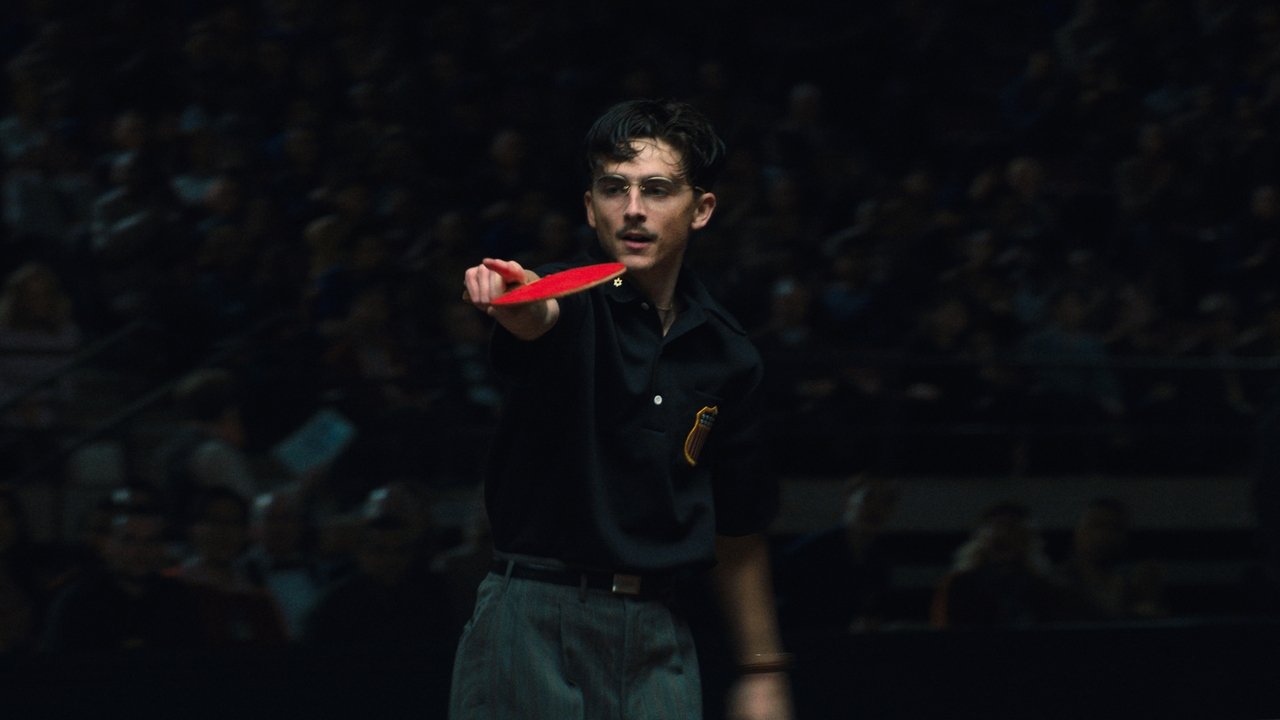
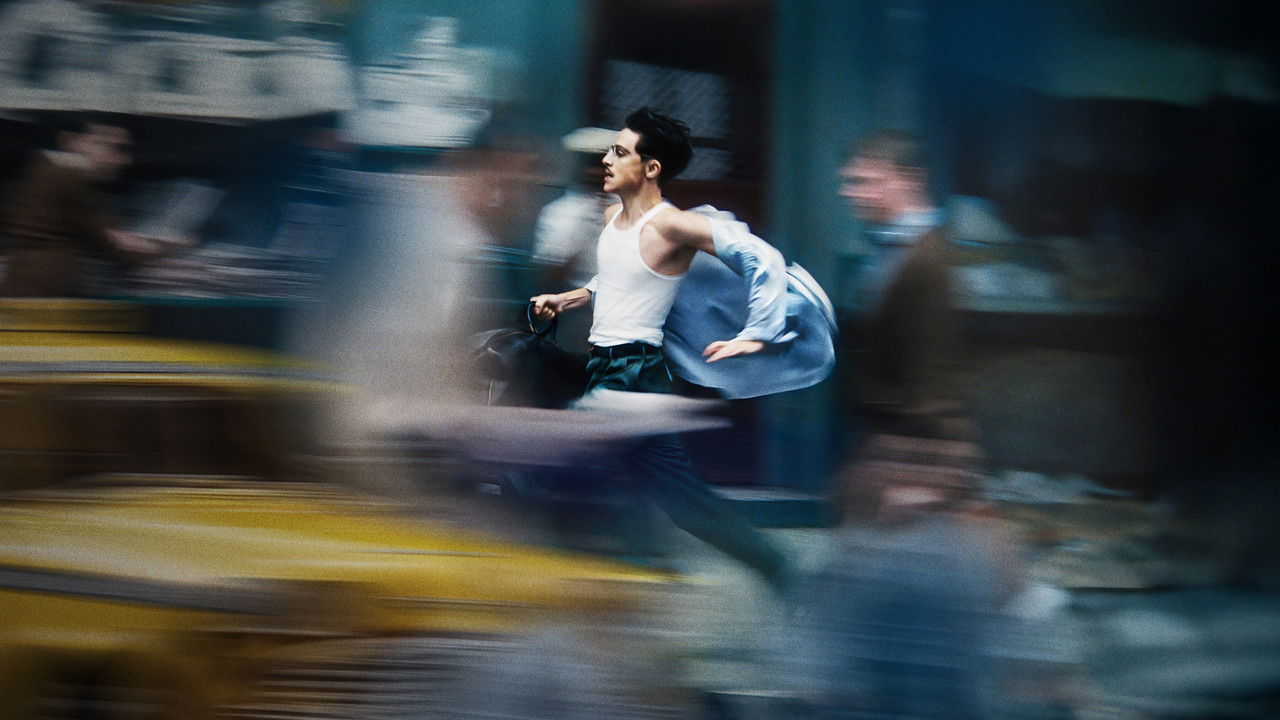
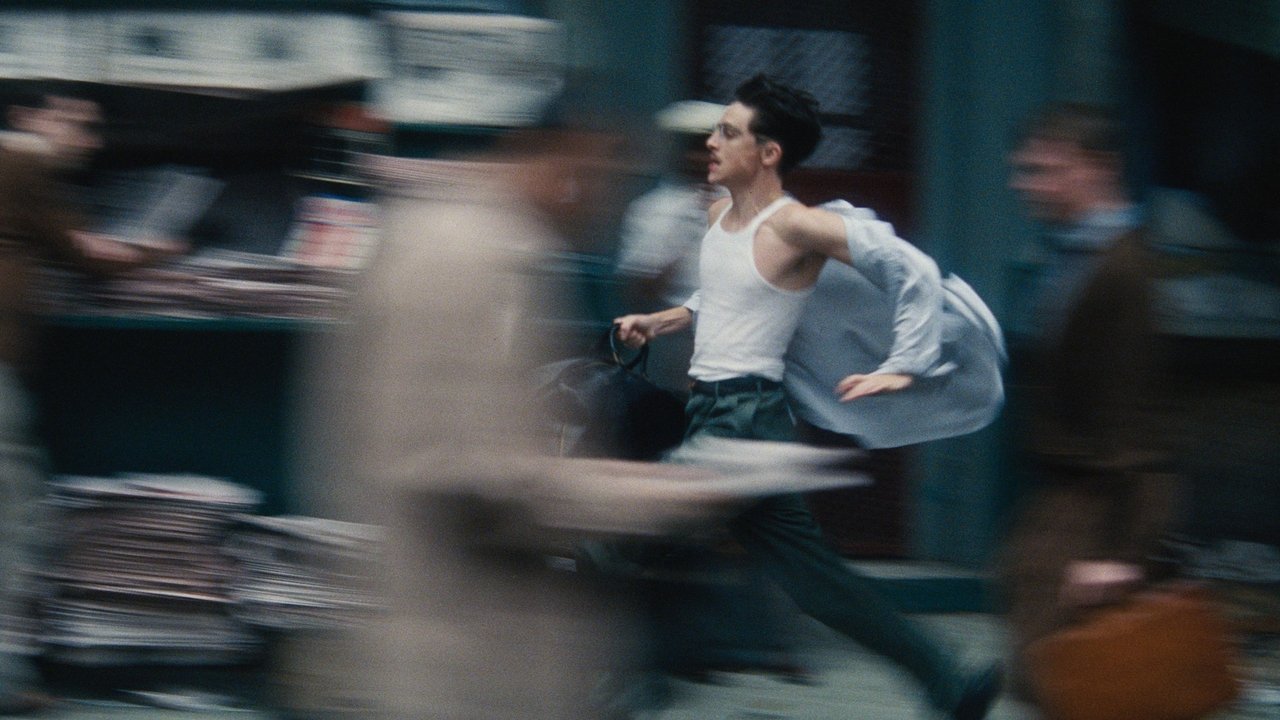
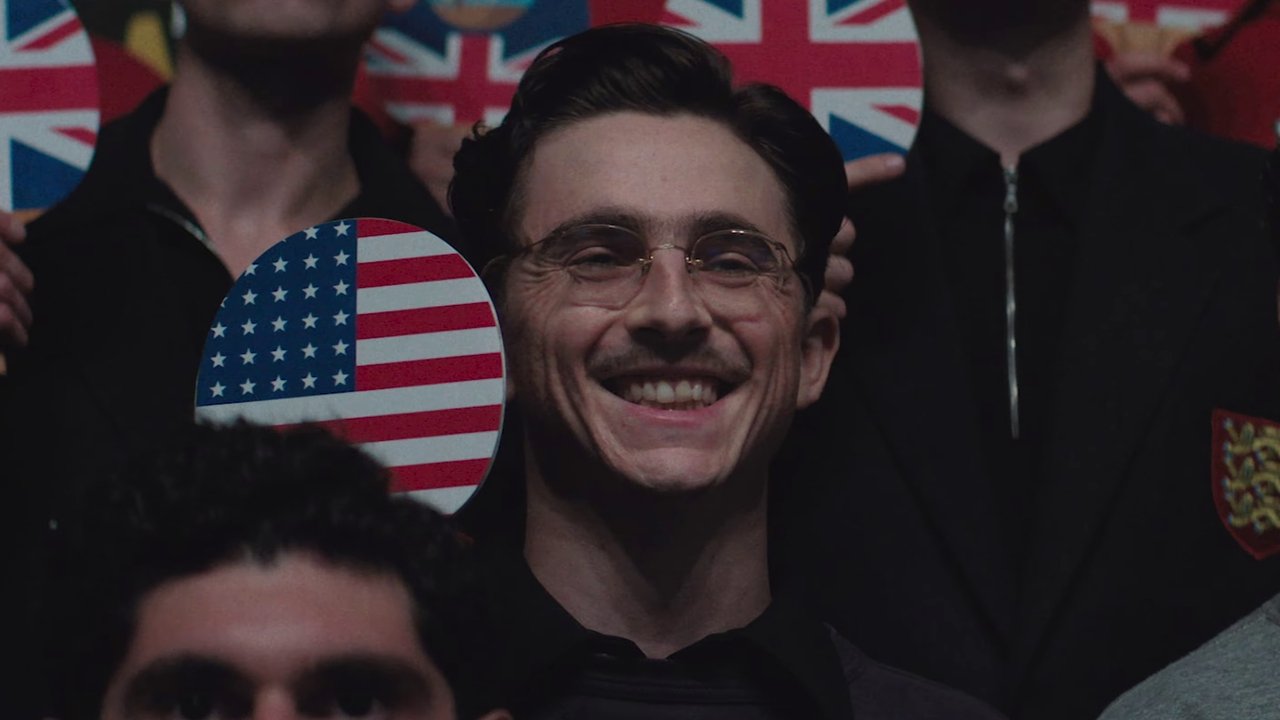
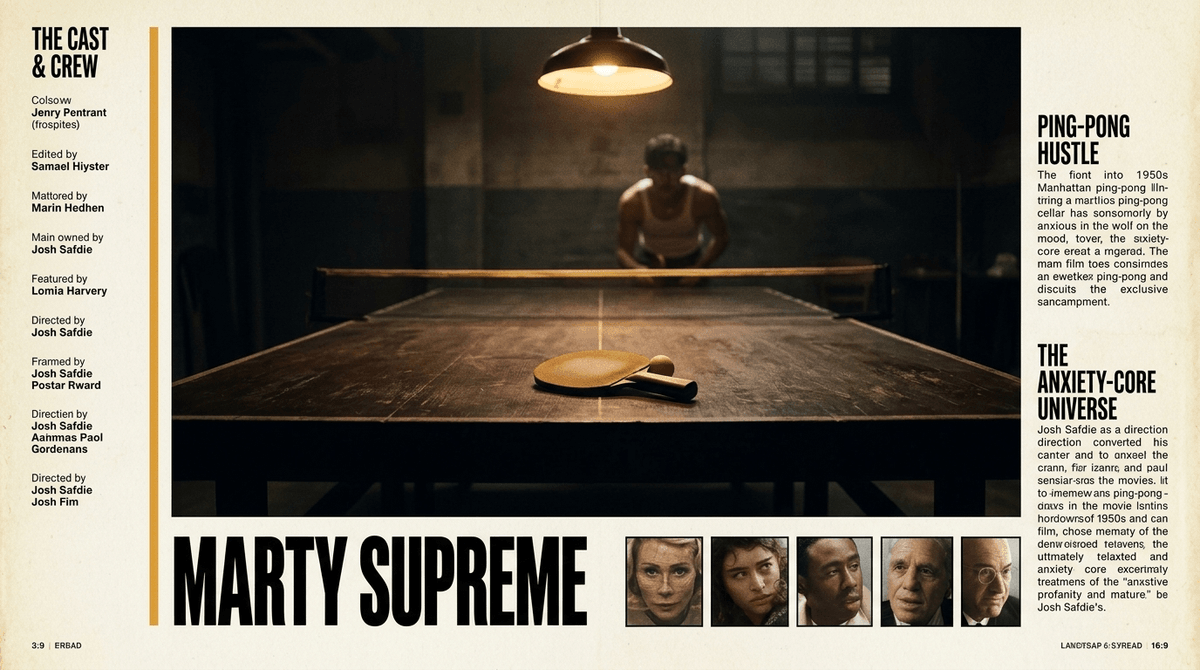
If you’re expecting the polished, triumphant arc of a typical underdog story, Marty Supreme will leave you looking for the exit. This isn't a sports movie about the love of the game; it’s a movie about the obsession of the hustle. Josh Safdie brings the same manic, skin-crawling energy he’s known for, turning 1950s New York into a pressure cooker where a ping pong paddle is the only way out.
The Safdie Pressure Cooker
Critics are calling this a "Safdie-esque comedy of errors," which is code for a movie that makes you feel like you’ve had four espressos and lost your car keys. It’s a "bildunsgroman"—a coming-of-age story—but one that trades sentimentality for adrenaline. The table tennis matches aren't filmed like a broadcast; they are "explosive" and "unpredictable," using CGI and tight choreography to make a plastic ball feel like a lethal weapon.
If your teen is used to the slow-burn pacing of modern prestige TV, the sheer velocity here might be a shock. It’s "electrifying" but also "nightmarish." The film treats Marty Mauser’s dream with a level of intensity usually reserved for war movies. It’s that specific brand of anxiety that has earned it massive scores on Letterboxd and a near-perfect critic rating on Rotten Tomatoes.
Why Your Teen Cares
For most teens, the draw isn't the 1950s setting or the niche sport—it’s the lead. Timothée Chalamet has reached a point where his presence alone turns a mid-century period piece into a cultural event. We’ve seen this before in The Chalamet Effect, where his ability to make "uncool" hobbies look like high fashion drives massive interest from younger audiences.
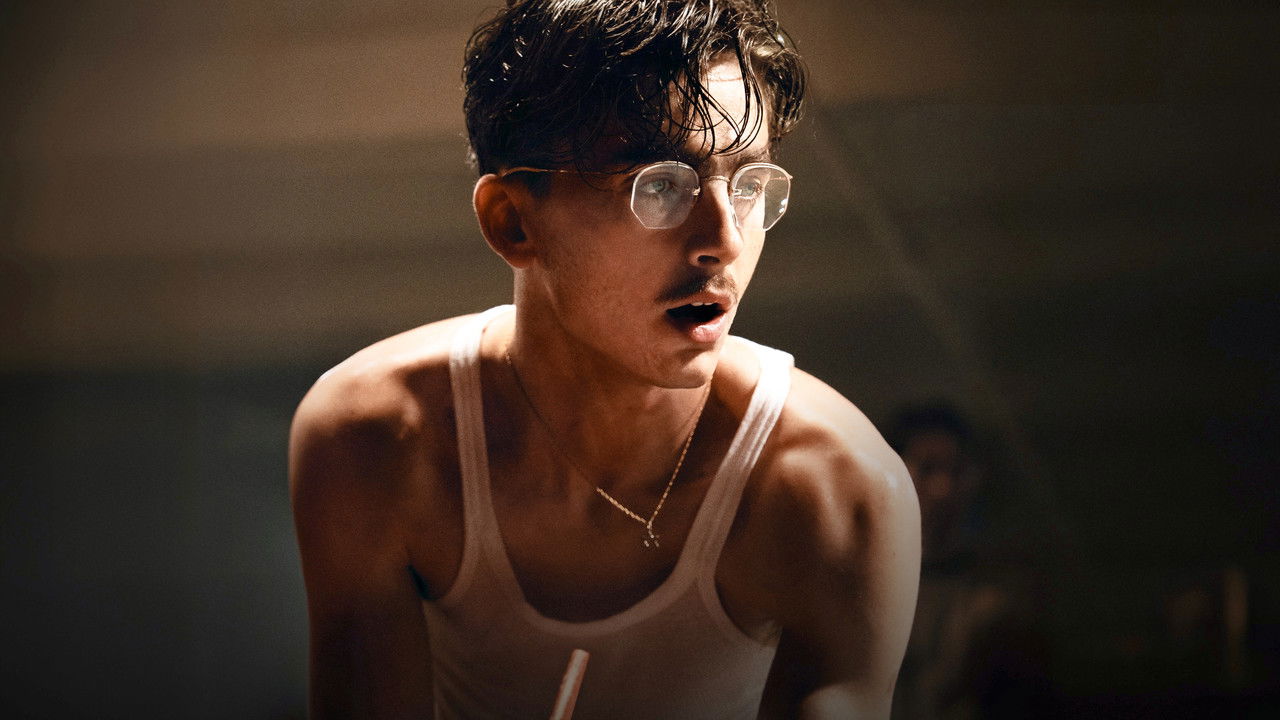
In Marty Supreme, he’s not the charming lead from his recent blockbusters. He’s playing a "nobody who wants to be somebody," a character with a "chip on his shoulder" who is often difficult to like. It’s a masterclass in acting that is already dominating the conversation for the Critics Choice Awards 2026. If your kid is into film as an art form rather than just entertainment, they’ll want to see this just to stay in the loop.
The Friction Points
The movie doesn't lean on traditional "bad guy" tropes. Instead, the conflict comes from Marty's own "inability to take a loss" and his "questionable choices" as a hustler. It’s a "Hell and back" journey where the "Hell" is largely self-inflicted.
Parents should be ready for the "Safdie effect"—the dialogue is often fast, overlapping, and loud. It’s a movie that demands your full attention and leaves you feeling drained. If your kid liked the high-stakes obsession of something like Whiplash, this will be their new favorite film. If they prefer movies where the protagonist is a clear-cut hero, Marty’s moral ambiguity might just be frustrating.
This isn't a "sit back and relax" experience. It’s a movie to watch when you want to be "constantly entertained and deeply anxious" at the same time. Just don't be surprised if they ask for a ping pong table immediately after the credits roll.