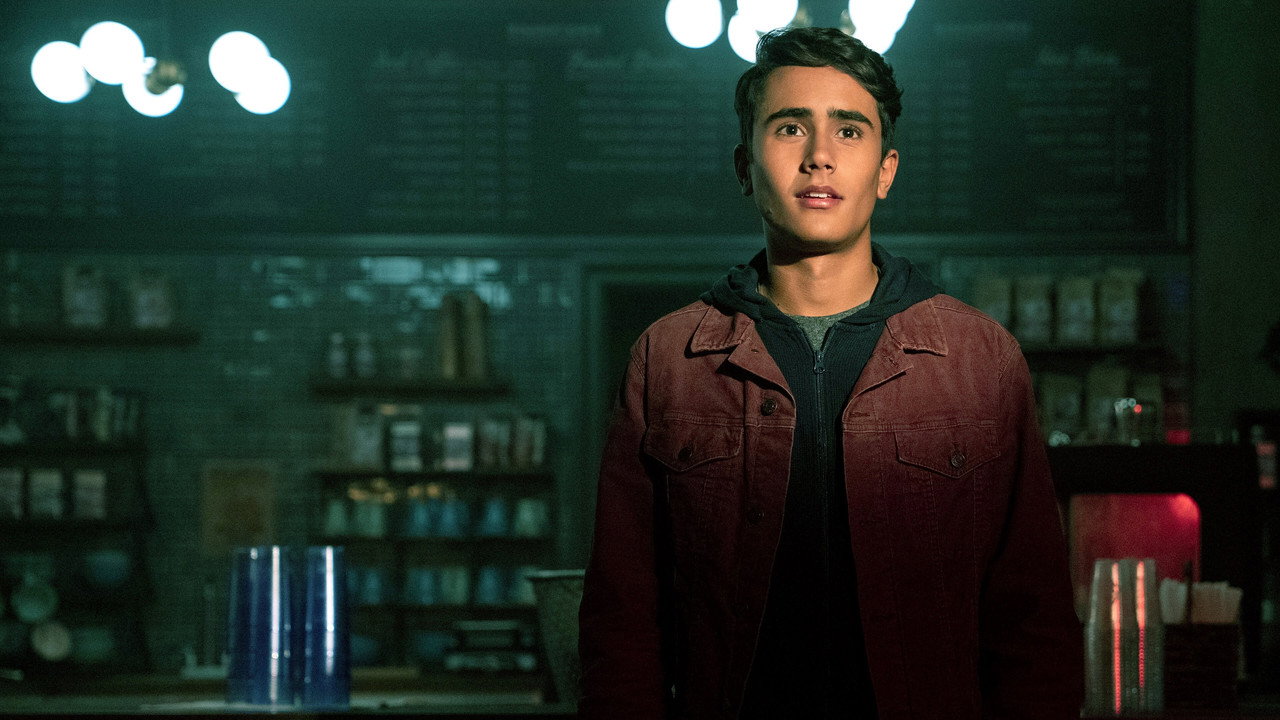
The "Love, Simon" upgrade
If you saw the movie this show spun off from, you know the vibe: polished, sweet, and a little bit "Hollywood" in its resolution. Love, Victor takes that DNA but makes it more grounded. Because it’s a series rather than a two-hour film, we actually get to see the slow-burn friction of a kid trying to square his identity with a family that isn't necessarily ready for it.
The 92% critic score is a reflection of the writing quality, not just the subject matter. It avoids the "after-school special" trap by making the characters feel like actual teenagers who make bad decisions, get jealous, and occasionally act like jerks. If your teen is starting to look for stories that move beyond the basics of understanding LGBTQ+ representation in teen TV, this is a top-tier pick. It’s less "coming out is a one-time event" and more "coming out is a messy, ongoing process."
Where it gets real
While the first season plays it relatively safe, the show matures as Victor does. By the time you hit the middle of the series, the stakes move from "Who do I like?" to "How do I handle a relationship?" This includes an episode centered around a "hook-up" party and more frank discussions about sex than you’d find in a standard Disney Channel sitcom.
It’s worth noting that the show originally landed on Hulu because Disney reportedly felt it was too "adult" for Disney+ at the time (though it lives on both now). That tells you exactly where the line is drawn. It’s not Euphoria—there’s no graphic drug use or extreme content—but it is honest about the fact that 16-year-olds have hormones. If you’re navigating how to talk to your kids about LGBTQ+ characters, this show provides a perfect bridge between "kid content" and "adult drama."
The "if they liked X" test
If your teen was obsessed with Heartstopper, they’ll find Love, Victor a bit more dramatic and slightly more cynical, but just as addictive. Where Heartstopper is a warm hug, Love, Victor is a conversation. It’s one of the best shows for teens on Hulu because it manages to balance the "will-they-won't-they" romance with genuine family stakes.
The central hook—Victor DM-ing Simon (the protagonist from the original movie) for advice—is a clever way to acknowledge the generational shift in how teens talk about identity. It acknowledges that even when "it gets better," the day-to-day of high school still sucks sometimes.
Why the "14+" rating sticks
The Common Sense rating is spot-on here. A 12-year-old might follow the plot, but the emotional nuance of the family dynamics—specifically the tension between Victor’s parents and their religious/cultural expectations—might fly over their heads. The show is at its best when it's exploring the gray areas of acceptance: parents who love their kid but are genuinely struggling to understand him. That’s a heavy lift for younger viewers, but for a 15-year-old, it’s likely the most relatable thing on the screen.