The "specialist" strategy
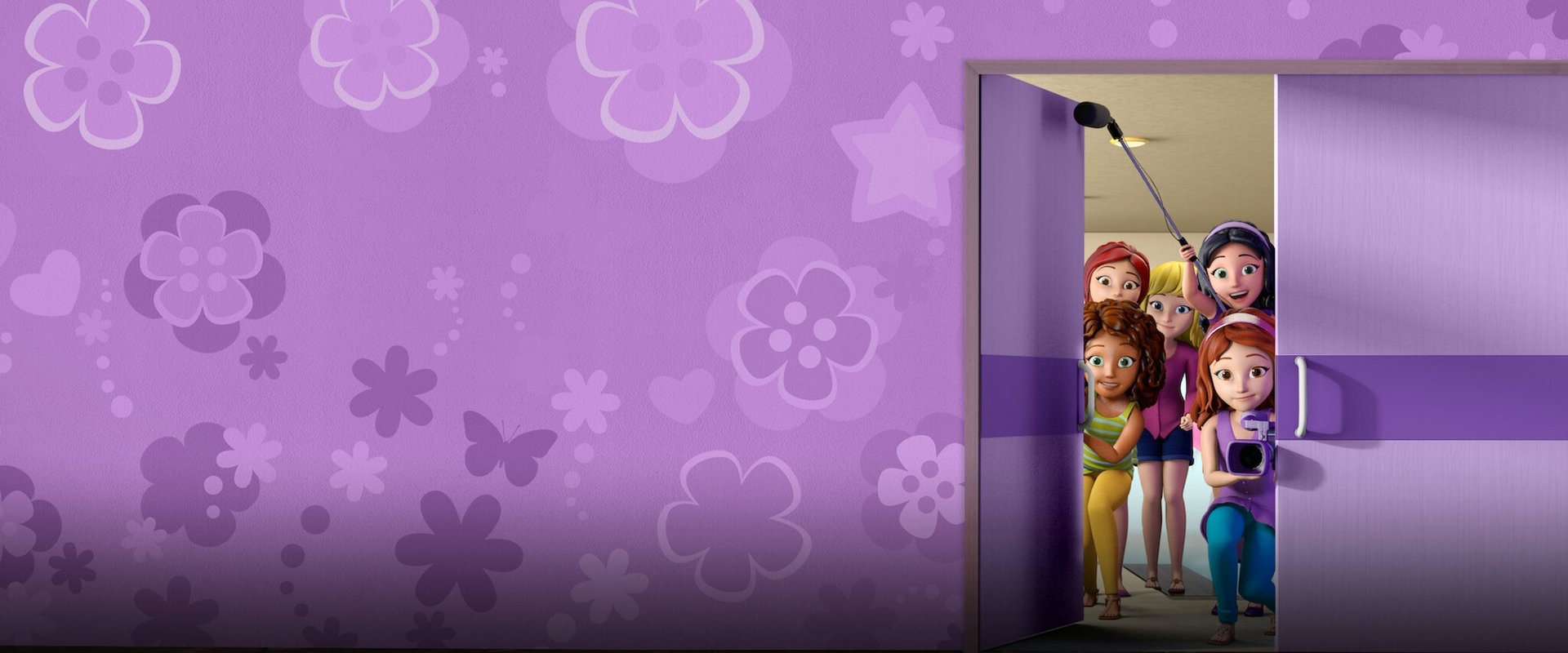
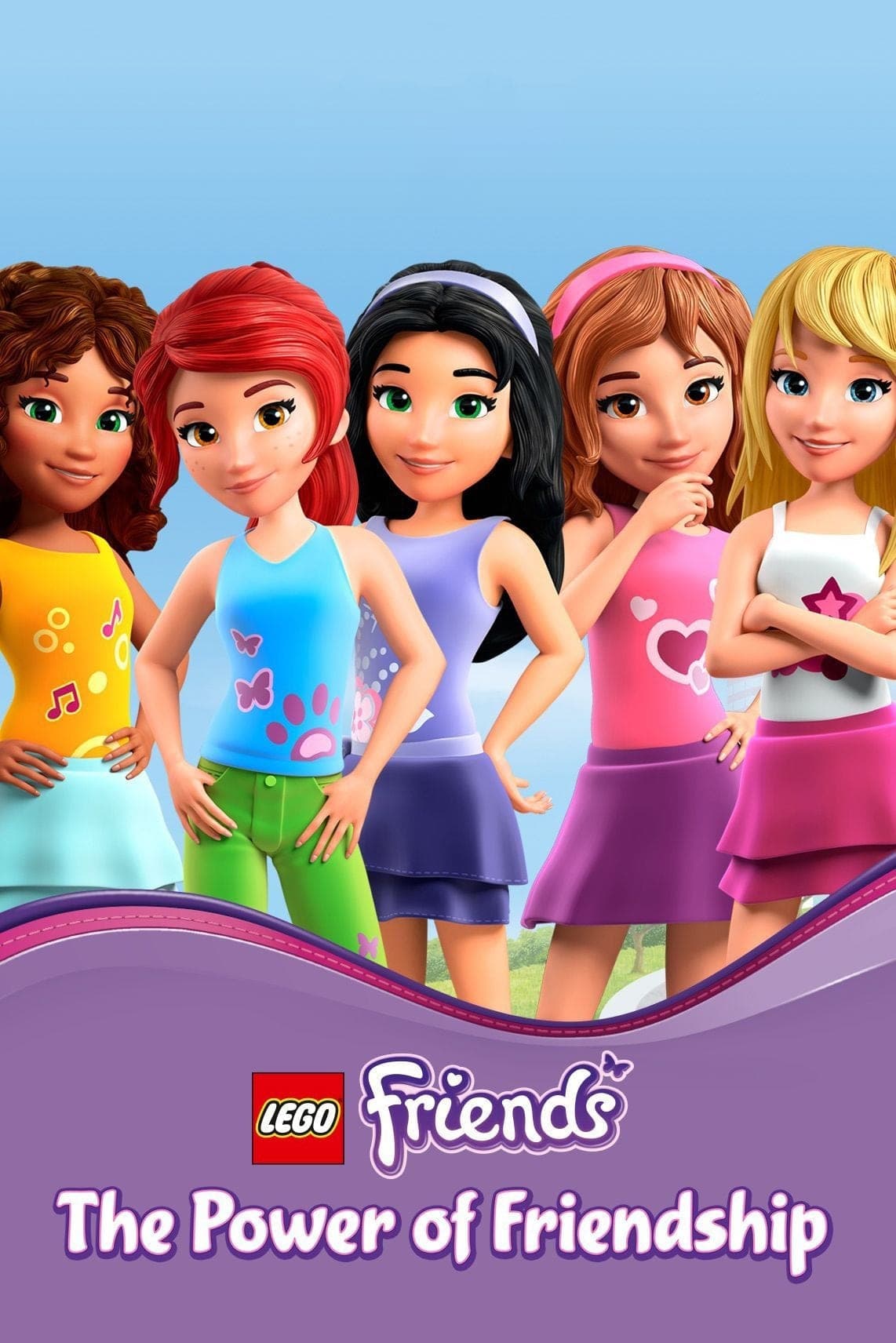
The real genius of this era of LEGO Friends is how it assigns every character a niche. In 2016, this was a calculated move to prove that "girl toys" could be about more than just hair-brushing and shopping. You have Olivia (science and gadgets), Andrea (performance), Emma (art), Mia (animals), and Stephanie (social glue/organization).
For a five-year-old, this is a perfect entry point into the concept of identity. They aren't just watching a group of identical characters; they’re figuring out which "type" they are. You’ll likely hear "I’m an Olivia" or "I’m a Mia" before the second episode ends. It’s basic, sure, but it’s an effective way to model a friend group where people are allowed to have different interests without it causing constant friction.
Low-stakes drama as a feature
If you’ve ever had to turn off a show because the "scary part" caused a meltdown, you can breathe easy here. The conflict in Heartlake City is almost exclusively interpersonal. A robot goes haywire, a cupcakes-to-go van breaks down, or a misunderstanding leads to a hurt feeling.
Critics on IMDb give it a 7, which is a fair assessment for what it is: a show that doesn't aim for the emotional complexity of Bluey or the lore-heavy world-building of My Little Pony. It’s designed to be uncomplicated. This makes it a great "wind-down" show. There are no world-ending stakes or terrifying villains to keep a kid awake at 9:00 PM. It’s just five girls trying to win a science fair or save a park.
The "catalog" effect
We have to be honest about the commercial nature of the project. Every building, vehicle, and accessory on screen is a real-world LEGO set. This isn't inherently bad—it actually encourages kids to take their play off-screen—but it does mean the show functions as a high-definition advertisement.
If your kid is already a LEGO fan, they’ll be spotting sets they own or ones they want for their birthday. If they aren't, they might be after a few episodes. The show is essentially a blueprint for how to play with the physical toys. It gives the bricks a narrative. If you’re trying to limit the "gimme" factor in your house, just be aware that the product placement is the entire point of the production.
How it compares
If your kid has outgrown Paw Patrol but isn't quite ready for the snark of Monster High or the intensity of Miraculous Ladybug, this is the bridge. It sits in that sweet spot where the characters act like "big kids" (they have jobs, hobbies, and hangouts) but still live in a world that is fundamentally safe and kind.
- If they liked Barbie Dreamhouse Adventures: They’ll find the same bright, aspirational energy here, but with more focus on building and "doing" rather than just "living."
- If they liked Strawberry Shortcake: This feels like the natural evolution. The "power of friendship" themes are identical, but the setting feels a bit more modern and less sugary.
Ultimately, this is guilt-free screen time. It won't win an Emmy for its writing, but it won't make you cringe with bathroom humor or mean-spirited "teasing" either. It’s just a sunny day in Heartlake City, and sometimes that’s exactly what the afternoon schedule needs.