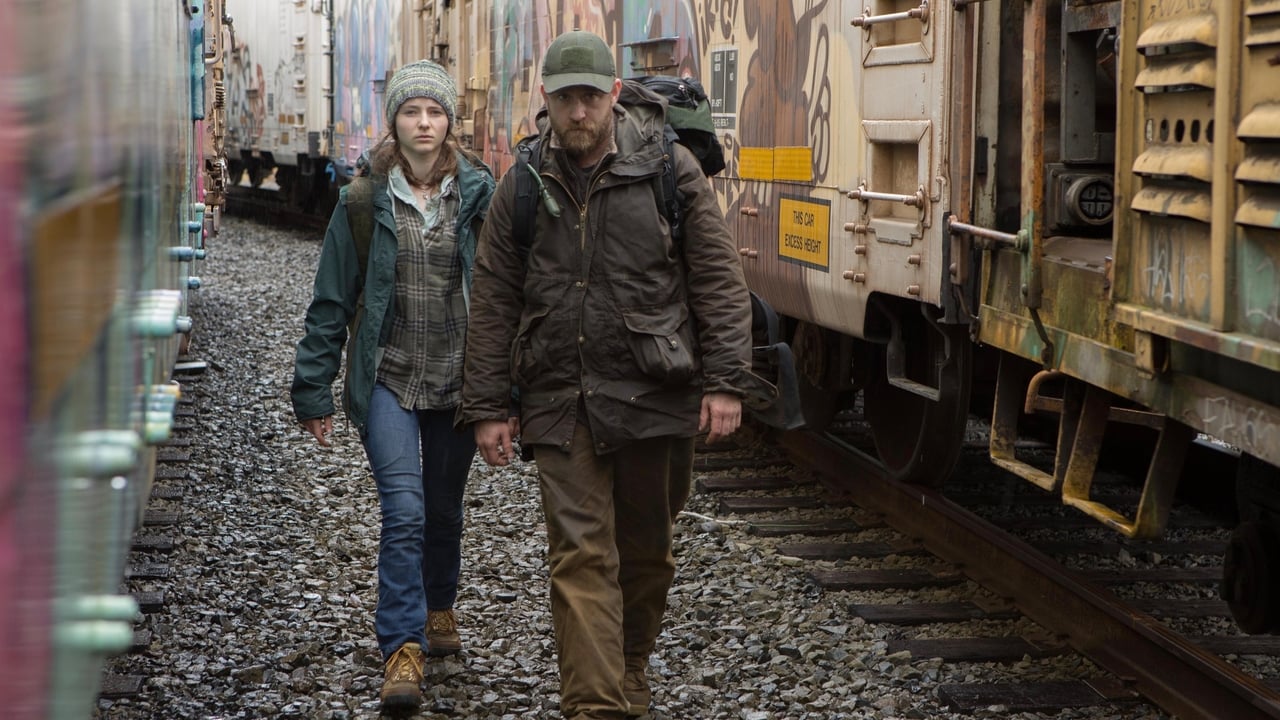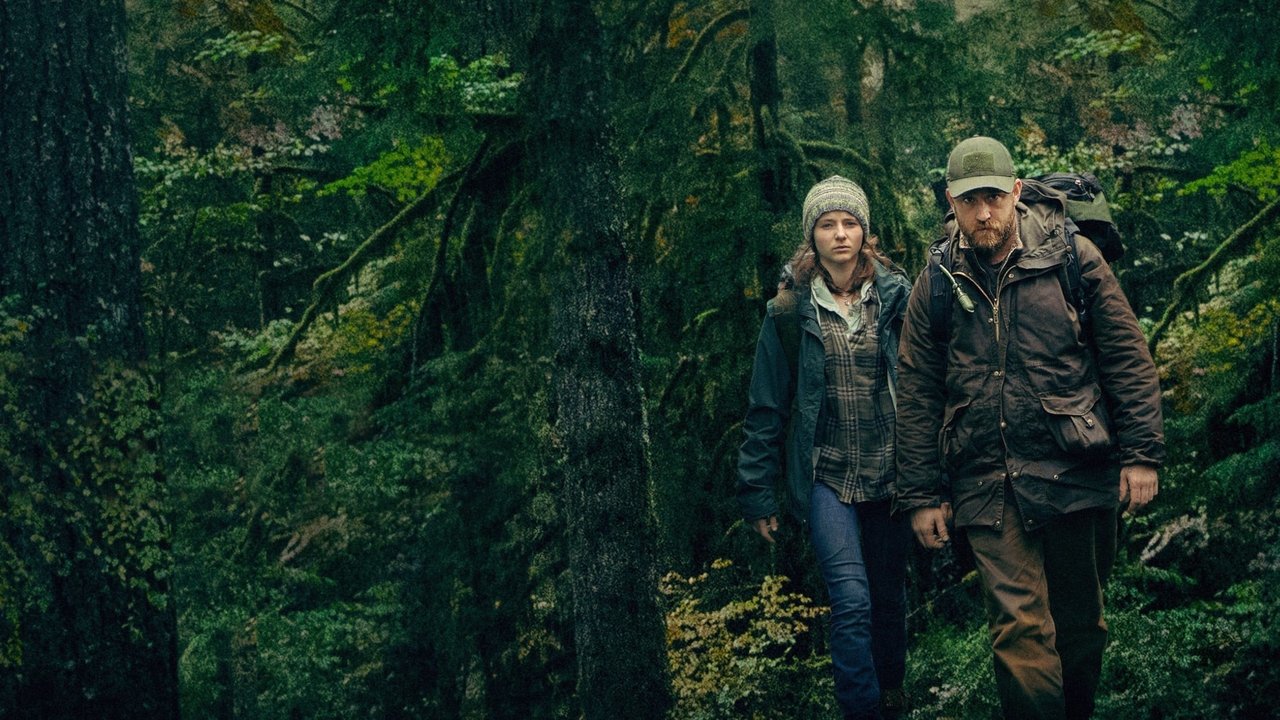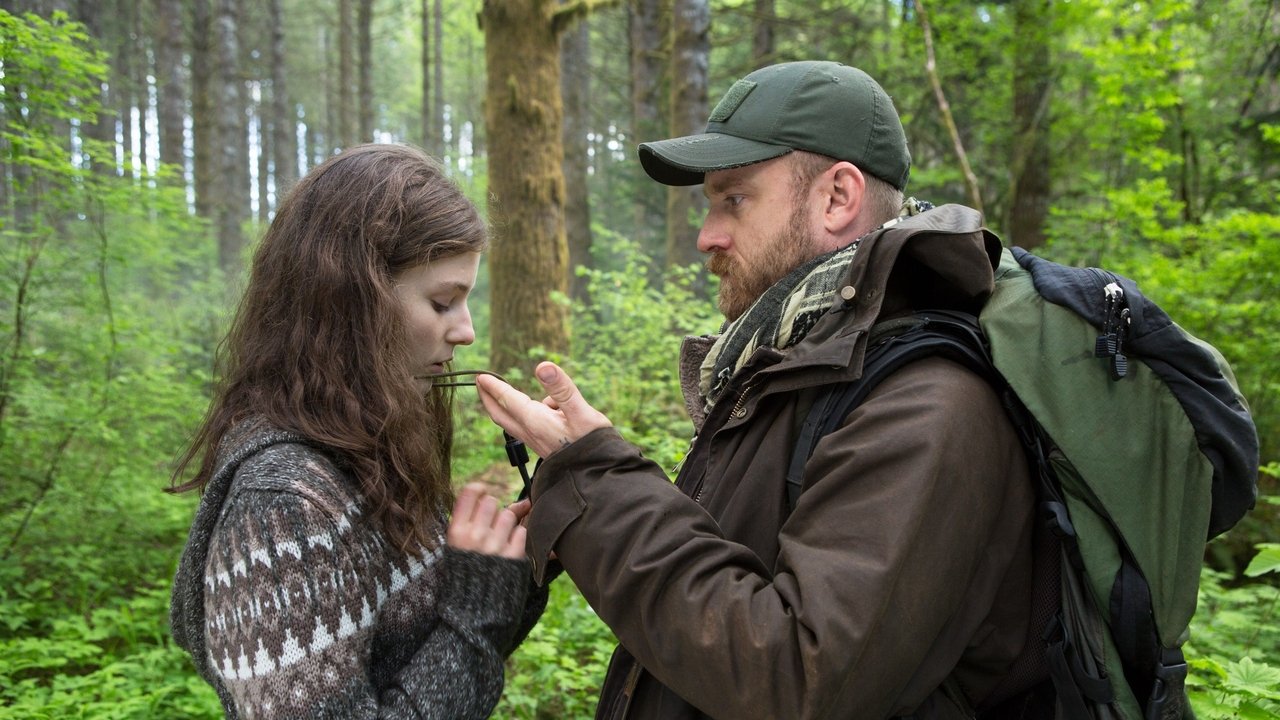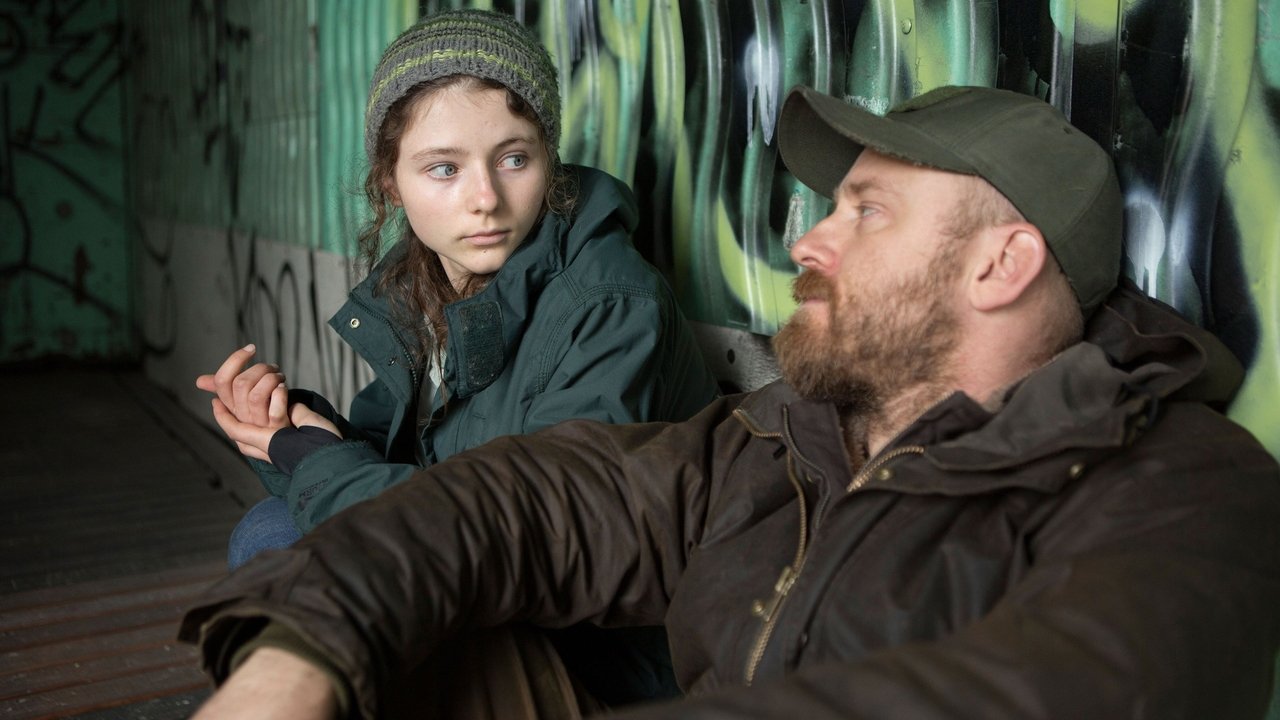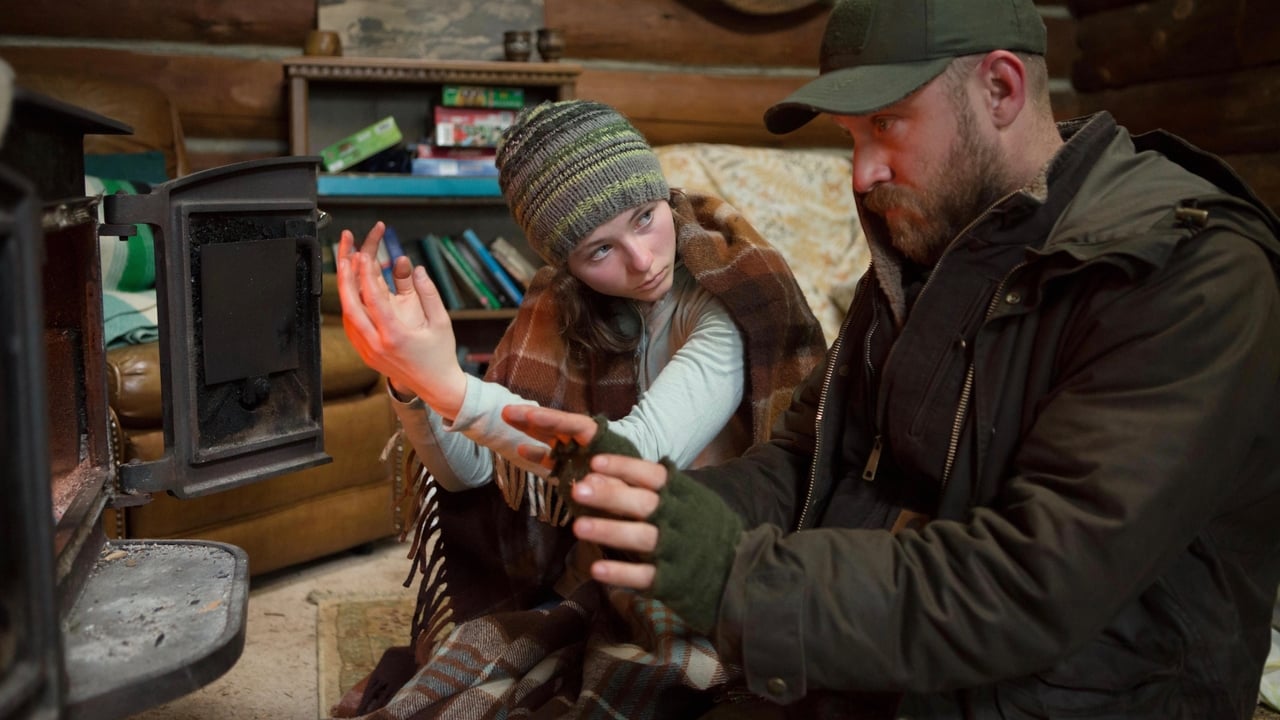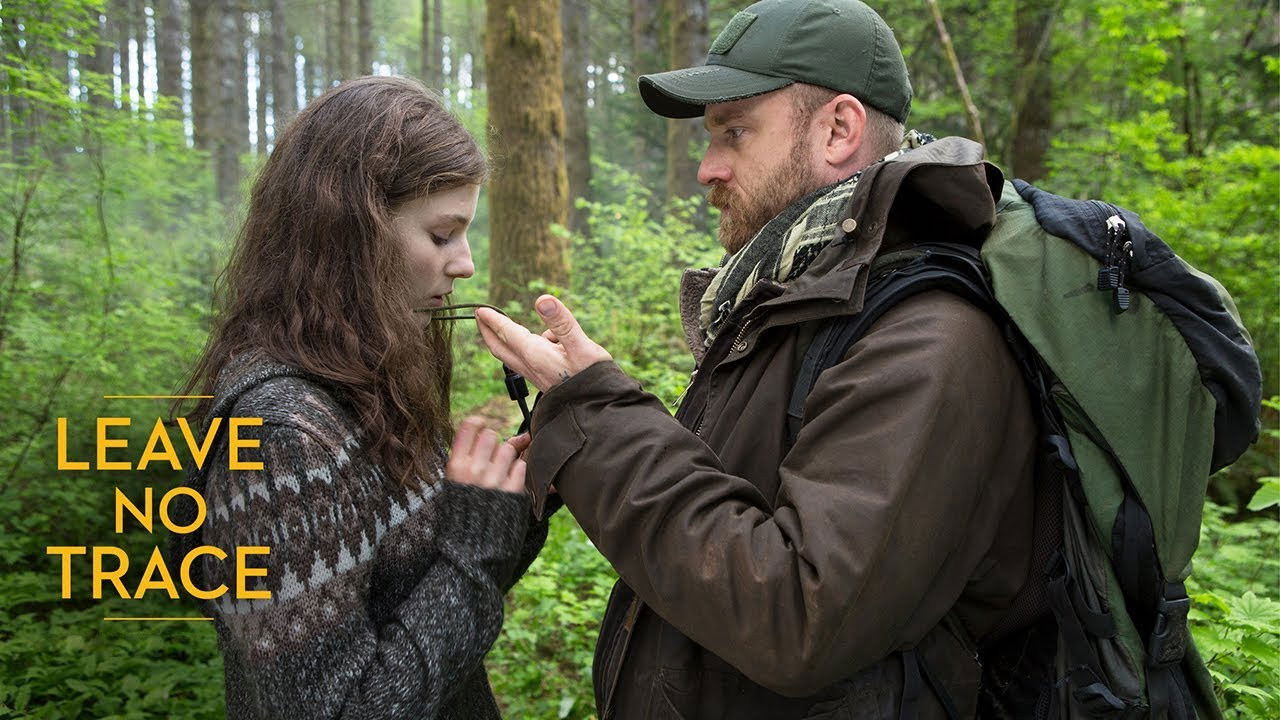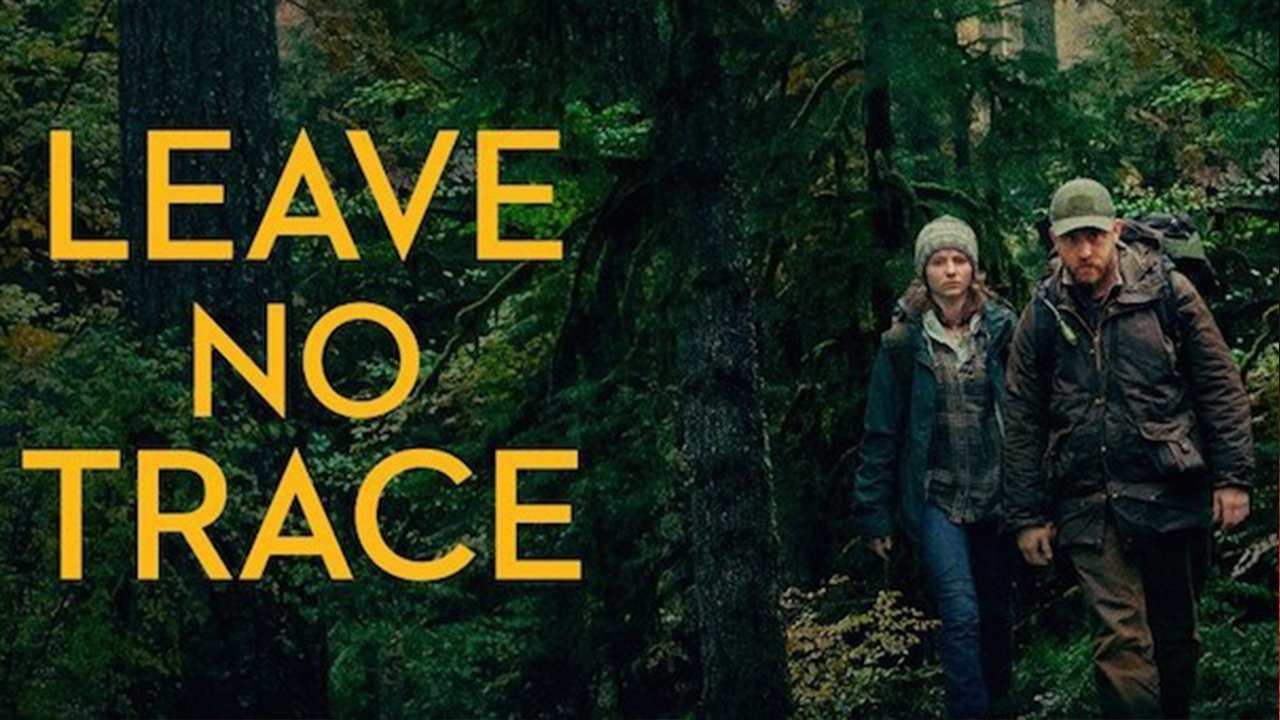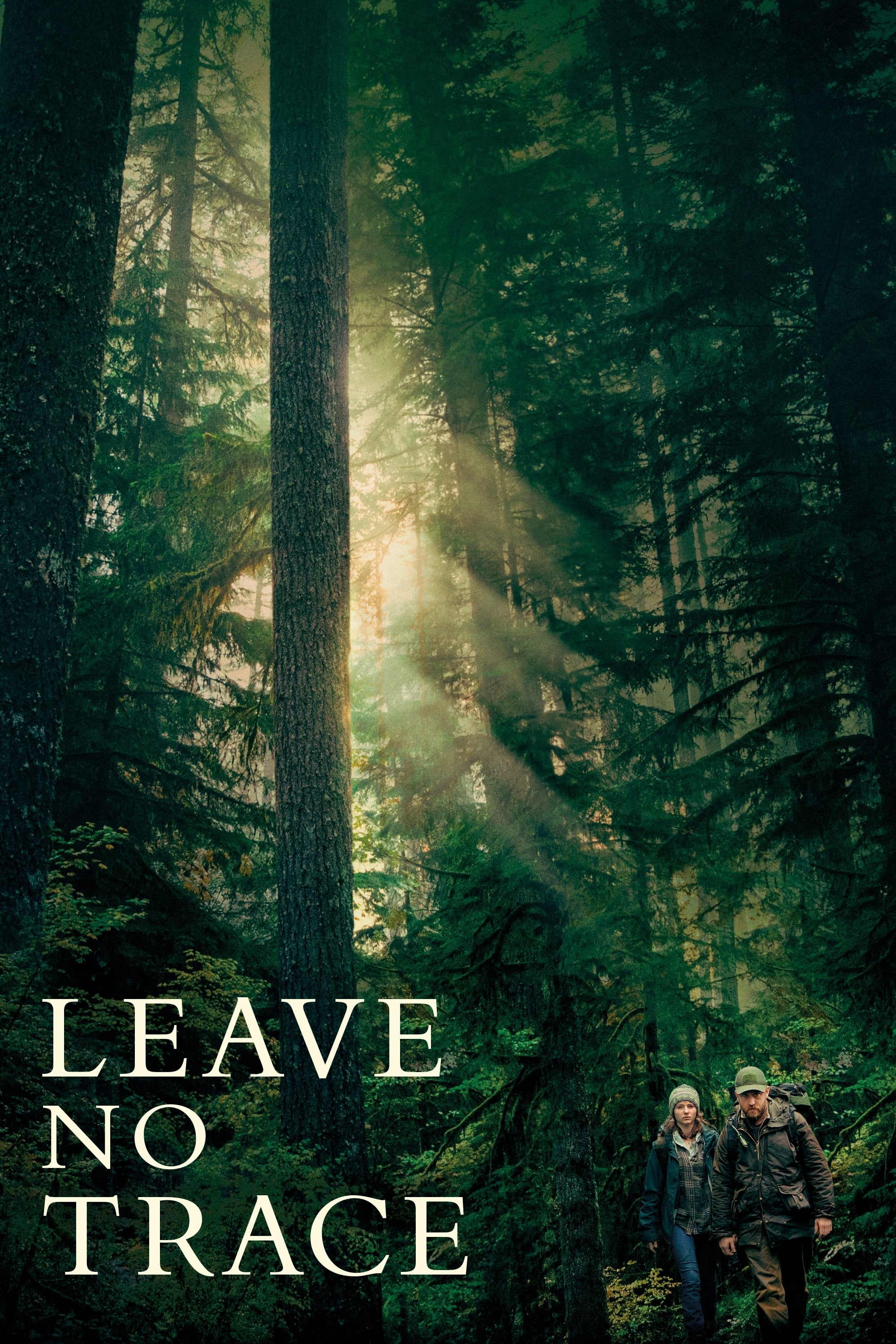





This is a genuinely excellent film—critics loved it for good reason—but let's be real about who will actually sit through it. If you have a thoughtful teen who's ready for heavy emotional material about mental health, parent-child boundaries, and what happens when love isn't enough to fix everything, this is gold. The performances are stunning, the Pacific Northwest cinematography is gorgeous, and the questions it raises about autonomy and care are profound.
But here's the thing: this is SLOW. Like, really slow. Contemplative-indie-film slow. The 78% audience score (compared to that perfect 100% from critics) tells you everything—regular viewers found it beautiful but kind of a slog. If your kid needs things to happen, this isn't it.
The PTSD and homelessness themes are handled with real sensitivity, making this valuable for building empathy and understanding invisible struggles. The father-daughter relationship is portrayed with rare nuance—no easy villains or heroes, just two people who love each other trying to figure out what that means. It's the kind of film that stays with you and generates real conversation.
Just make sure your teen is in the right headspace for something quietly devastating rather than entertaining in the traditional sense.