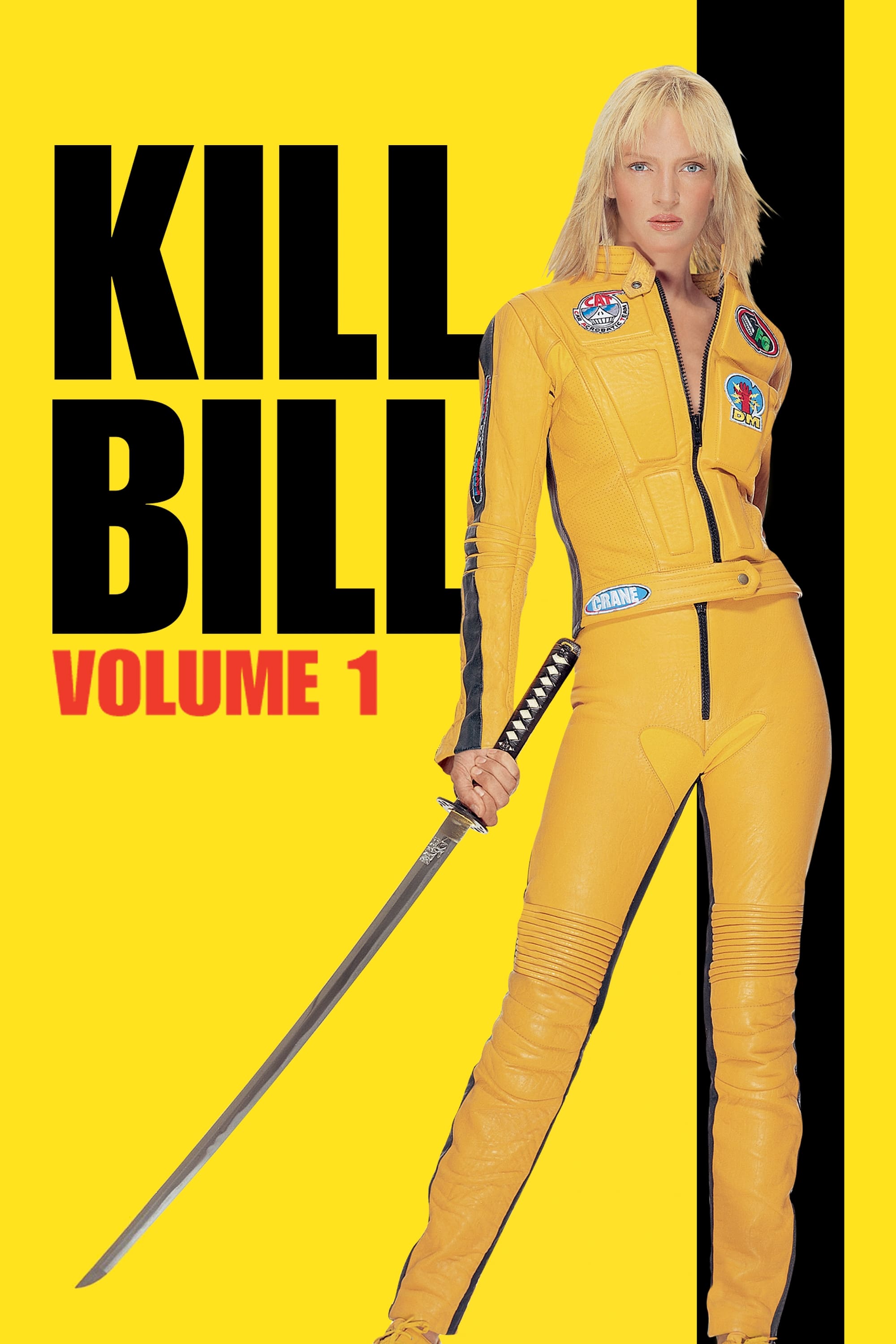
If your kid is starting to get into movies that aren't just superhero sequels or animated comedies, Kill Bill: Vol. 1 is usually the first door they kick down. It’s the ultimate "I’m a movie person now" film. Despite being decades old, it still feels more energetic and daring than 90% of what hits theaters today. It’s a loud, neon-soaked revenge fantasy that treats every fight scene like a choreographed dance.
The Gateway Drug to "Cinema"
There’s a specific reason why your teen thinks Quentin Tarantino is the definition of cool. He doesn't just film a story; he remixes the entire history of movies. For a teenager, watching Kill Bill feels like being let in on a secret. It’s a crash course in how music, editing, and color can change the mood of a scene.
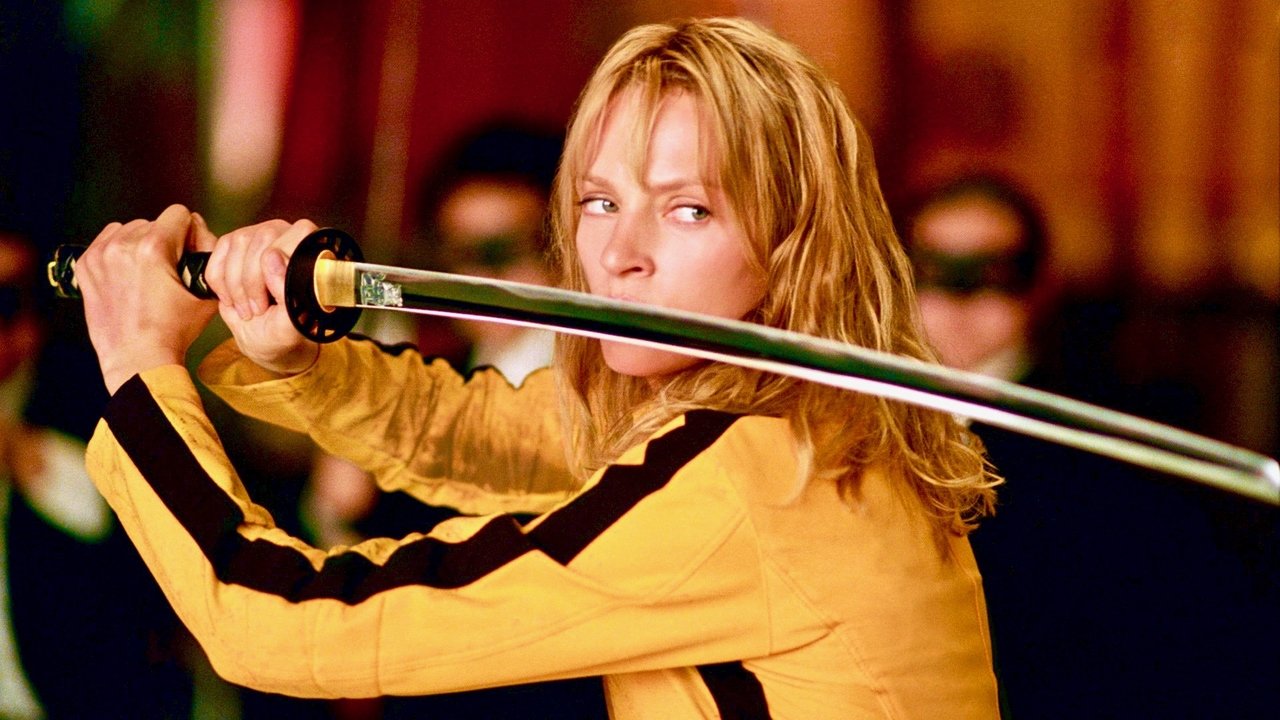
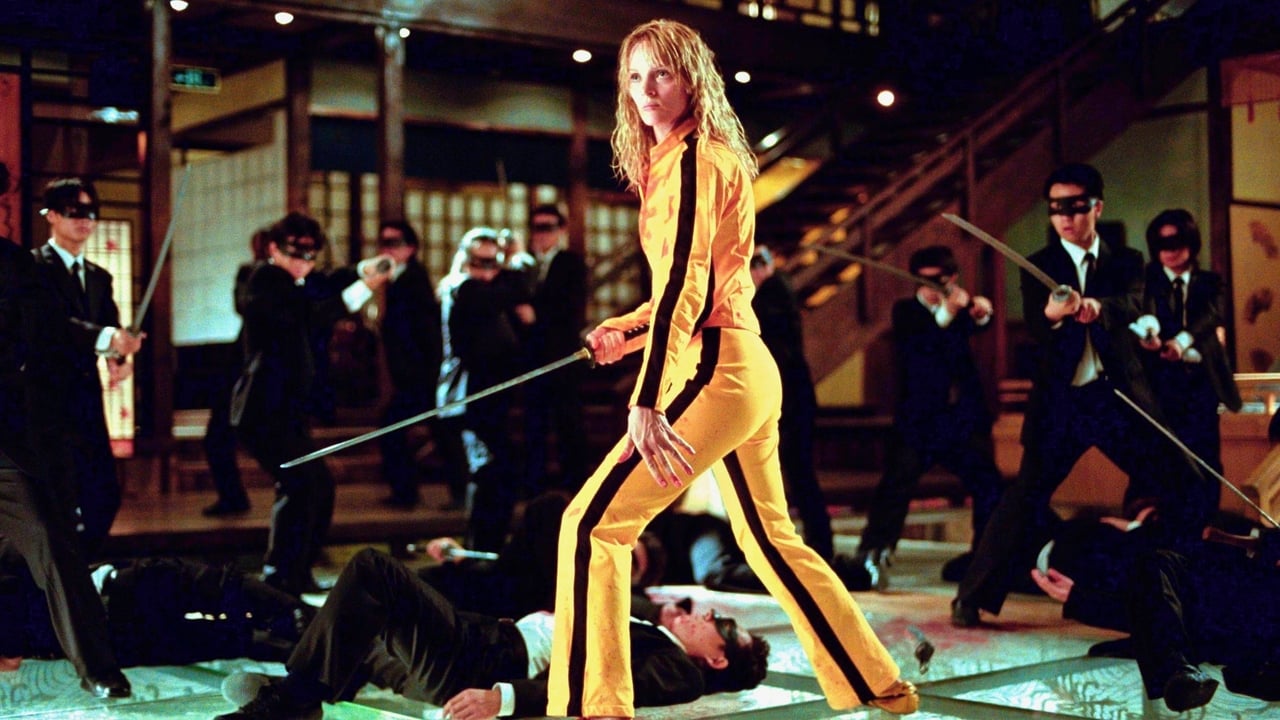
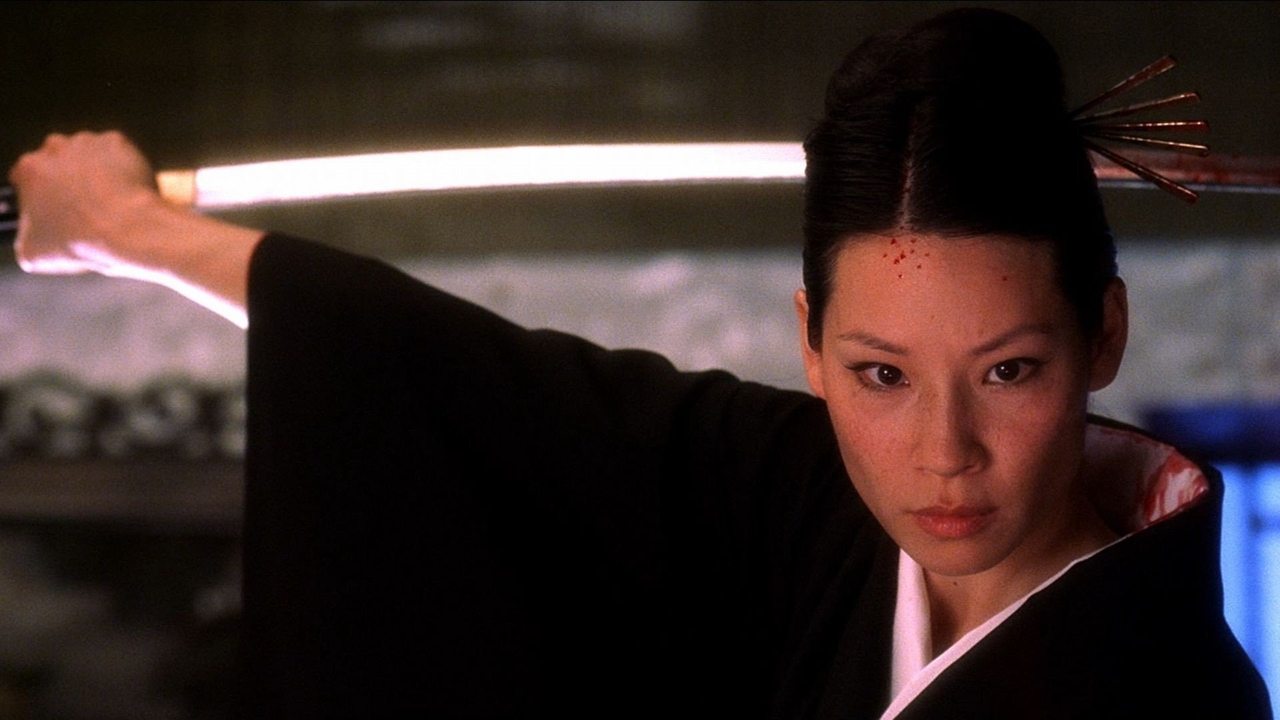
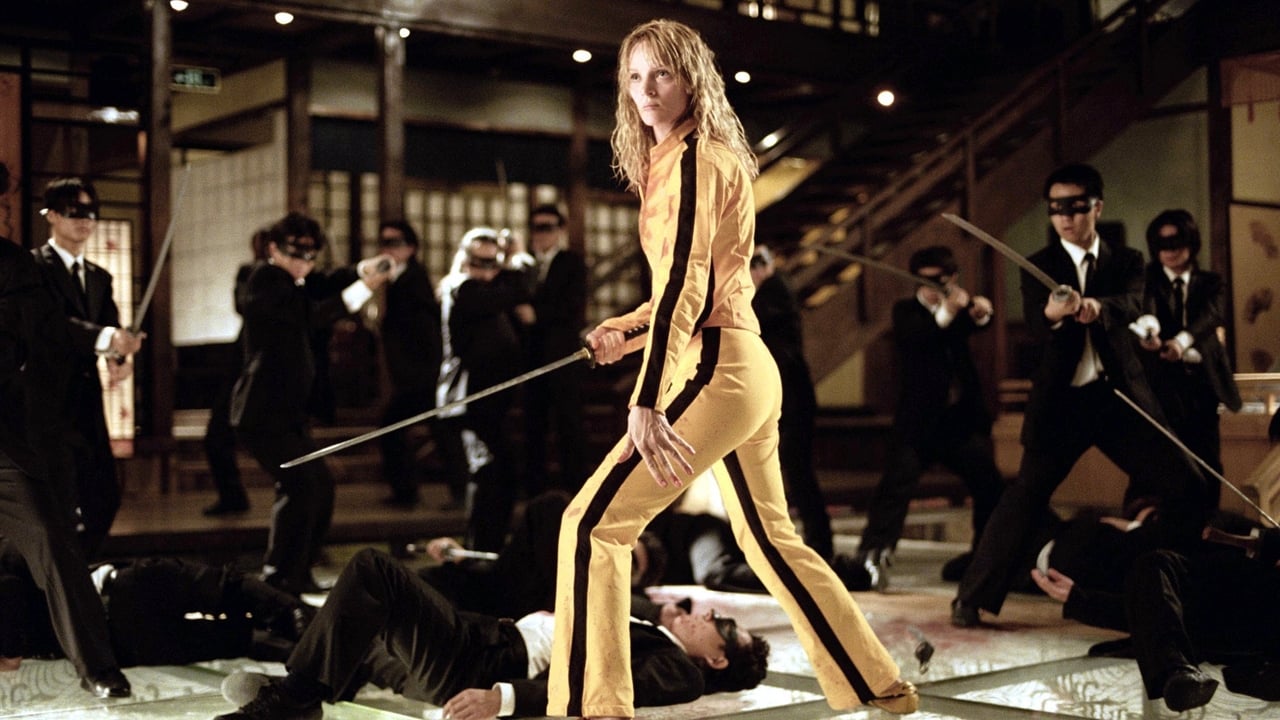
If they’ve spent years watching bloodless PG-13 action where the camera shakes so much you can’t see the hits, this will be a revelation. The action is clear, wide-angled, and incredibly creative. It’s not just about who wins the fight; it’s about the silhouette of the characters against a blue wall or the sound of a sword sliding into a scabbard. It turns violence into art, which is exactly why it’s so compelling and, for some parents, so polarizing.
Style as the Main Character
The plot is a straightforward "kill your way to the boss" setup, but the execution is anything but simple. The movie bounces between a snowy garden, a high-octane anime sequence, and a gritty hospital room without ever losing its breath. If your kid liked the visual flair of Spider-Man: Into the Spider-Verse or the relentless momentum of John Wick, they’ll see the DNA of those movies here.
However, the violence is operatic. When a limb is severed, the blood sprays like a fountain in a way that is clearly meant to be stylized rather than realistic. It’s a "movie-movie." It never pretends to be the real world. That distance helps make the 8.2 IMDB score make sense—critics and fans aren't cheering for the carnage; they’re cheering for the craftsmanship.
The Friction Points
While the action is the draw, the movie’s "cool" factor is occasionally interrupted by some genuinely vile moments. The hospital sequence involving a character named Buck is the one that usually sticks in a parent’s throat. It’s not just about the violence there; it’s the implication of what happens to a woman in a coma. It’s a heavy, dark beat in a movie that otherwise feels like a high-speed chase.
If you’re deciding whether they’re ready, don't just look at the body count. Look at their ability to handle nihilism. There are no "good guys" here, only people who are better at killing than others. If they can appreciate the Bride’s sheer willpower without wanting to mimic her methods, they’re ready. If they’re just looking for "kills," they might miss the point of why this is considered a masterpiece of the genre.