The ending that actually ends
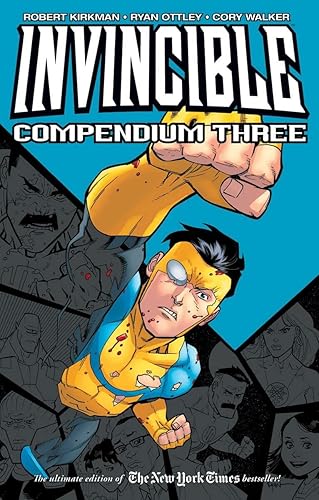
The biggest problem with superhero comics is that they never stop. Batman and Spider-Man are stuck in a loop of reboots and status-quo resets that make their choices feel cheap. Invincible is the antidote to that. This third compendium covers the final 48 issues, and because Robert Kirkman actually planned an exit strategy, the stakes are permanent.
When a character dies here, they stay dead. When a city gets leveled, it doesn't just reappear in the next issue. For a teen reader, that finality is a huge draw. It turns a "superhero story" into a generational epic about a kid growing into a man, a father, and a leader. If your teen is tired of the "nothing ever changes" vibe of mainstream Marvel or DC, this is the book that will ruin those other franchises for them.
The Ryan Ottley "Slaughterhouse" aesthetic
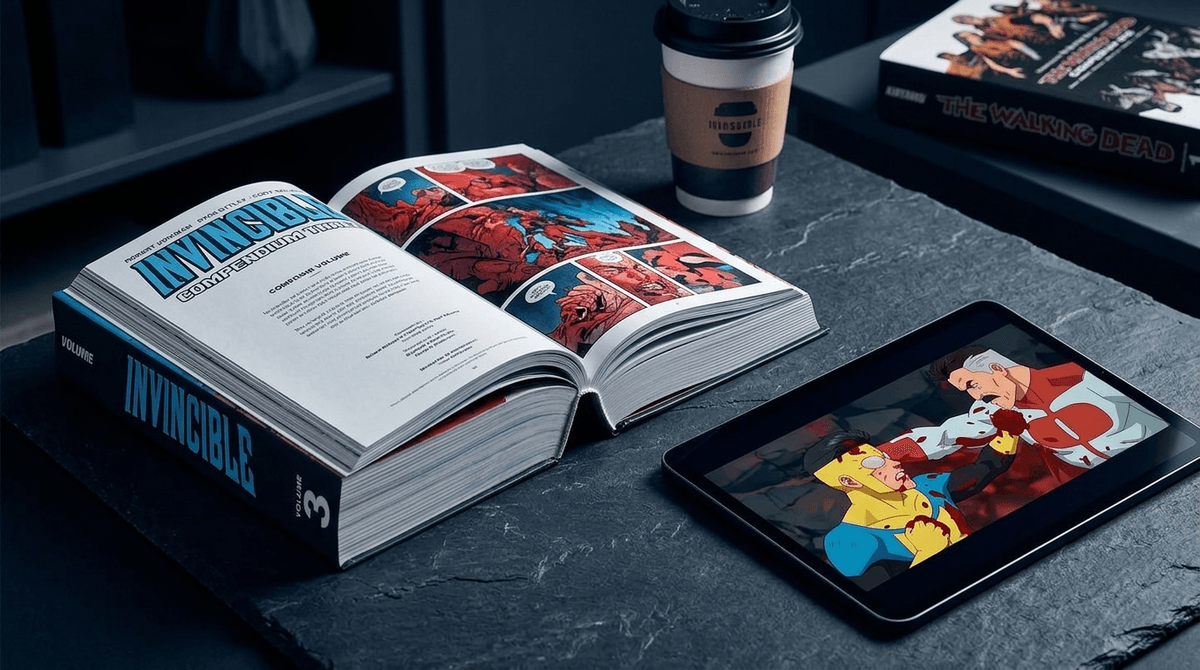
You can't talk about this volume without talking about the art. Ryan Ottley is a master of kinetic energy, but his specialty is consequence. In most comics, a punch throws a guy through a wall. In Invincible, a punch might take off a jaw or liquify an internal organ.
It sounds gratuitous—and sometimes it is—but there’s a narrative reason for the carnage. The book wants you to feel the cost of these battles. It’s worth noting that while the Amazon Prime show is graphic, the later chapters of the comic found in this volume go even further. If you’re trying to gauge if they’re ready for the "End of All Things" arc, check out our reality check for parents to see how the gore scales up in these final chapters.
Transitioning from the screen to the page
Most kids are finding this through the animated series. By the time they reach this third compendium, they are effectively reading "Season 6 through 8" of a show that hasn't even been fully produced yet. This is the ultimate spoiler machine.
If they’ve already blazed through the earlier volumes and are asking for this one, they’ve already seen the Viltrumite War. They know that the violence is part of the DNA. What changes in Volume 3 is the emotional complexity. Mark Grayson isn't just a kid trying to do the right thing anymore; he’s making impossible choices between his family, his species, and the safety of Earth.
Why it sticks the landing
The "End of All Things" isn't just a catchy title; it’s a massive, multi-issue finale that ties up every loose thread Kirkman started back in 2003. It’s rare to see a creator-owned book maintain this level of quality for over 100 issues. The character development for Mark’s father, Nolan, and his rival, Thragg, reaches a boiling point that feels earned.
If your kid is a fan of the "hero's journey" but wants something with more grit and less plot armor, this is the gold standard. Just be prepared for them to want to talk about the ending for a week straight once they finish the final 1,100th page. It’s a lot to process, both visually and emotionally.