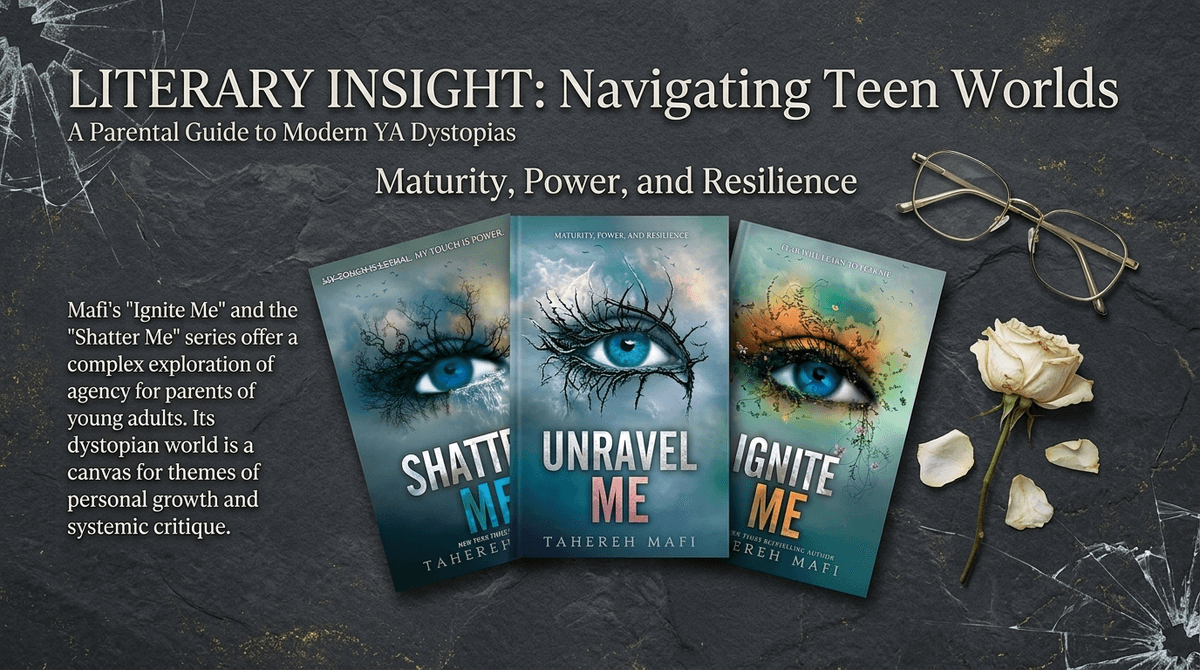
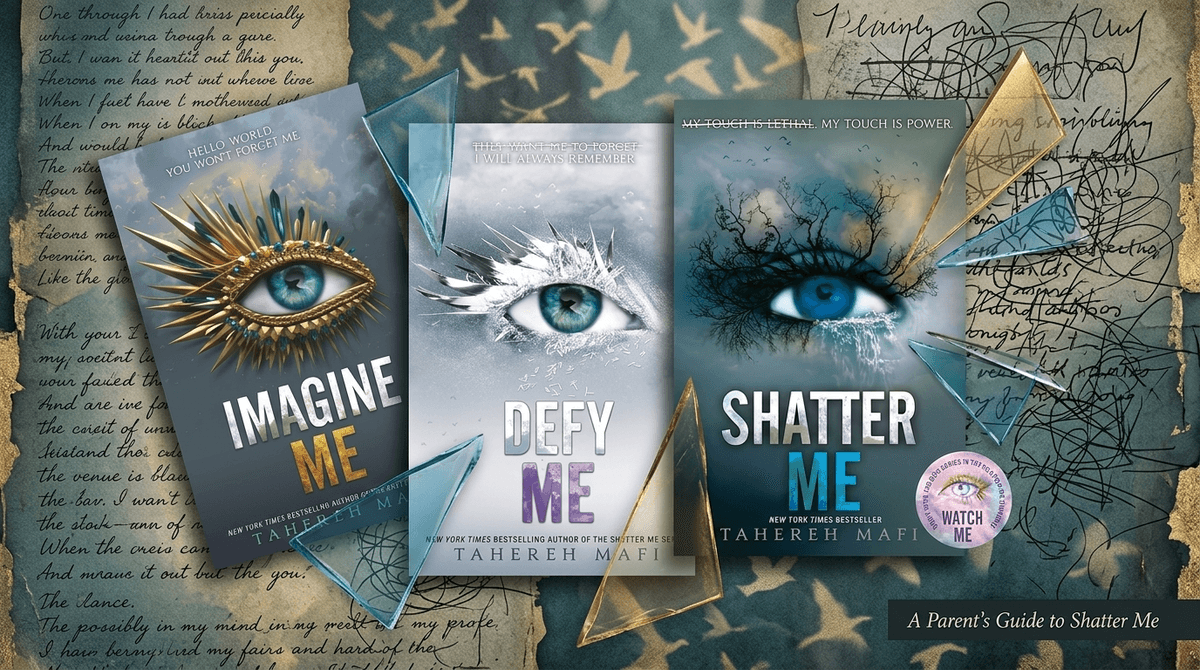
If your teen is handing you this book, they aren’t just looking for a dystopian adventure; they are finishing a four-year emotional marathon. By the time readers reach Imagine Me, they’ve lived through the internal collapse of Juliette Ferrars and her rebirth as Ella Sommers. It’s the kind of series that lives or dies on its vibes. Tahereh Mafi writes with a poetic, almost frantic energy that makes some adults roll their eyes but makes teenagers feel seen.
The BookTok effect
You can’t talk about this series without talking about its massive presence on social media. It’s a cornerstone of "BookTok" culture because it prioritizes feeling over world-building. While other dystopian hits like The Hunger Games focus on the mechanics of a rebellion, this series is obsessed with the mechanics of the heart. If your kid is into the "enemies-to-lovers" trope or likes their protagonists to have world-shaking powers fueled by trauma, they are the target audience.
The 4.5 rating on Amazon isn’t a fluke; it’s a testament to how well Mafi knows her readers. She doesn't just tell a story; she creates an aesthetic of yearning and resilience. If they’ve made it through the previous five books, they’ve already navigated the series' shift from a sci-fi thriller to something much more intense and romantic. If you need a refresher on how the series ramped up its mature themes, check out our parent's guide to Ignite Me, which is where the series famously "gets spicy."
Identity as a battlefield
The central hook of this finale is the "Juliette vs. Ella" conflict. It’s a literal manifestation of the identity crisis every fourteen-year-old feels. The plot involves heavy themes of memory loss and gaslighting—basically, the villains try to delete Juliette’s personality and replace it with a "perfect" version of herself.
It’s heavy stuff. While the action is there, the real conflict is psychological. For a teen reader, the idea of people in power (parents, leaders, creators) trying to rewrite who you are hits close to home. It’s a great entry point for a conversation about autonomy. If the psychological aspects felt a bit much in the previous installment, you might want to revisit the parent's guide to Defy Me to see how that trauma was set up.
Why Kenji matters
If Juliette and Warner (the primary love interest) feel too melodramatic, keep an eye out for Kenji. He’s the fan-favorite for a reason. His POV chapters in this book provide a much-needed grounding effect. He’s the one character who says what the reader is thinking: that the situation is insane and everyone needs to take a breath.
For parents, Kenji is the "safe" character. He represents loyalty and platonic love in a story that otherwise leans heavily into obsessive, world-ending romance. If your teen is more interested in the friendship dynamics than the Juliette/Warner drama, they’re likely finding a lot of value in Kenji’s perspective on what it means to be a good friend during a literal apocalypse.
The "Watch Me" transition
With a new series set a decade later—Watch Me—arriving in 2025, this book isn't exactly the "end" anymore, but it is the conclusion of the primary character arcs. It wraps up the war against The Reestablishment with a finale that is more about internal victory than a massive battlefield win. It’s a polarizing ending. Some readers find the resolution of the "villain" problem a bit abrupt, but for those who are here for the characters, it provides the closure they’ve been waiting for since book one. Just be prepared for the post-book blues; when a teen finishes a six-book cycle this intense, they usually need a day or two to recover.