The Sennott energy
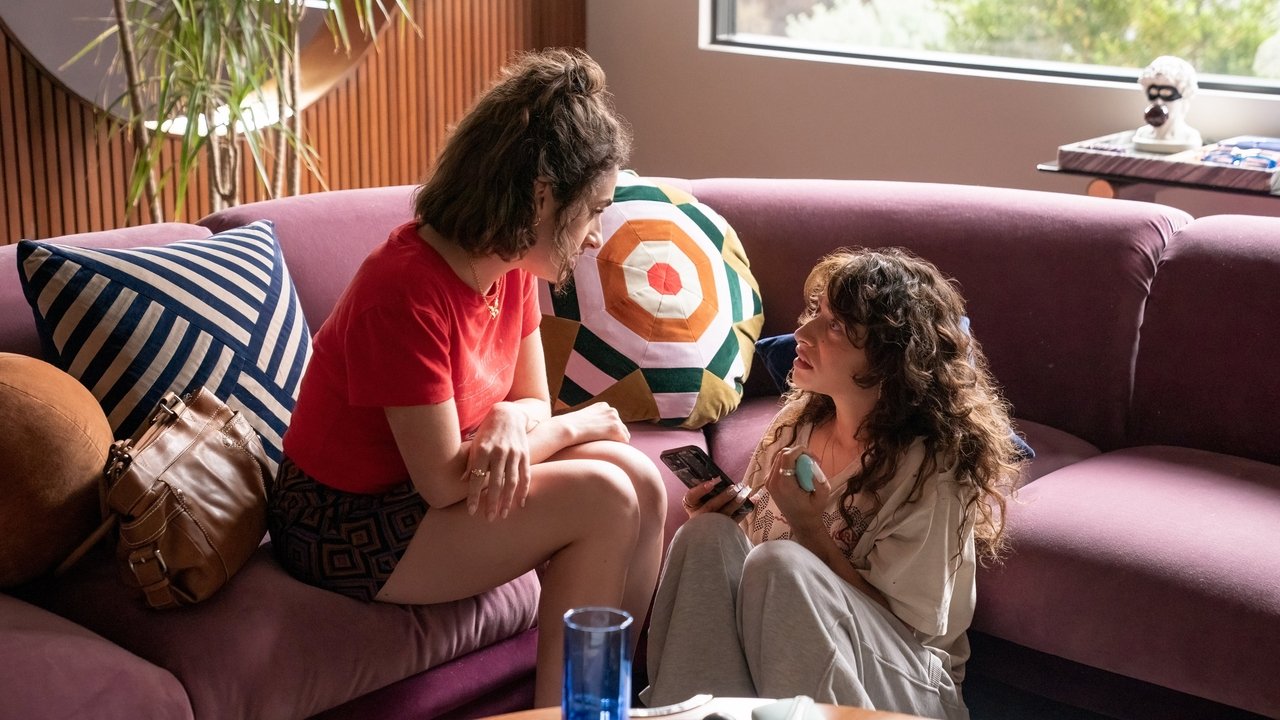
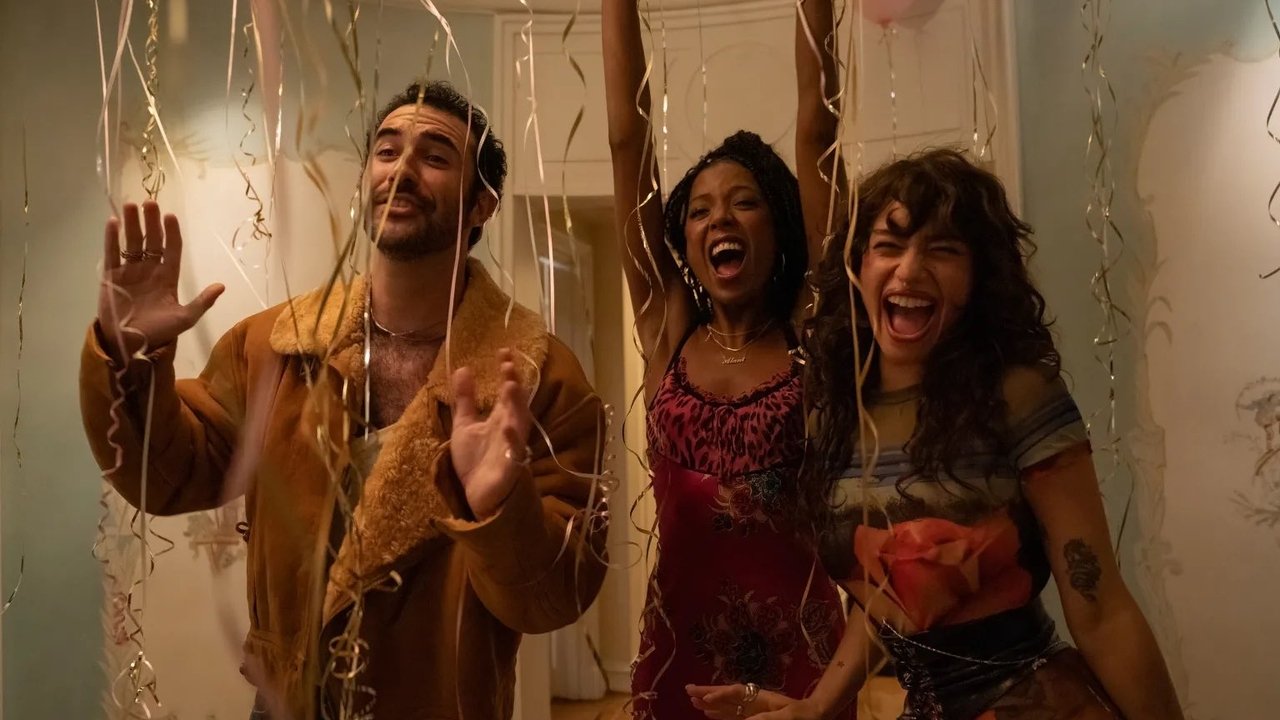
If you have seen any of Rachel Sennott’s previous film work, you know exactly what you are getting here. She specializes in a very specific brand of high-anxiety, fast-talking, slightly unhinged comedy. In I Love LA, she leans into that persona to anchor a show that feels like a panic attack set in a brightly lit juice bar. It is loud, it is messy, and it moves at a breakneck pace that critics found impressive but half the audience found grating.
The show is less about the glamour of Los Angeles and more about the frantic, "always-on" labor required to stay relevant there. Maia is the exhausted assistant trying to break into talent management, while Tallulah represents the chaotic, performative side of the influencer world. It captures the specific misery of the 2025 gig economy where everyone is a brand and no one is actually having a good time.
The influencer reality check
For parents of older teens who are obsessed with the "aesthetic" side of social media, this show is a brutal deconstruction. It pulls back the curtain on how much work goes into a "spontaneous" post and how shallow those connections usually are. If your teen is already deep into the high-drama, often explicit world of Twisted Love, they will recognize the "spicy" marketing, but I Love LA swaps the romance for a much harsher, more cynical look at how people actually live.
This isn't a show that celebrates the influencer lifestyle. It treats it as a job that slowly erodes your soul. That perspective is the most valuable thing the show offers, but it is buried under a mountain of TV-MA content. If you are looking for a palette cleanser that stays in the realm of ambitious young women without the explicit baggage, you are better off with something like Ashley Garcia: Genius in Love, which keeps the focus on the ambition rather than the debauchery.
Why the audience and critics disagree
The massive gap between the 86% critic score and the 50% audience score on Rotten Tomatoes tells you everything you need to know about the viewing experience. Critics love the show because it is technically sharp and captures a very specific cultural moment. It is smart satire. But for a casual viewer looking to unwind after a long day, it is a lot of work.
The characters are frequently exhausting. They make terrible decisions, they scream over each other, and they are deeply codependent. It is fitfully endearing, but the "dumb and fun" vibe often feels more like "loud and stressful." If your teen wants a fantasy escape like Once Upon a Broken Heart, this is the polar opposite. It is a hyper-realistic, cynical mirror of the modern world that might leave them feeling more drained than entertained.
If you decide to let a mature 17-year-old watch this, do it because you want to talk about the performative nature of the internet. Don't do it because you think it will be a fun, lighthearted comedy. It is a sharp, jagged piece of media that is much more interested in being accurate than being likable.