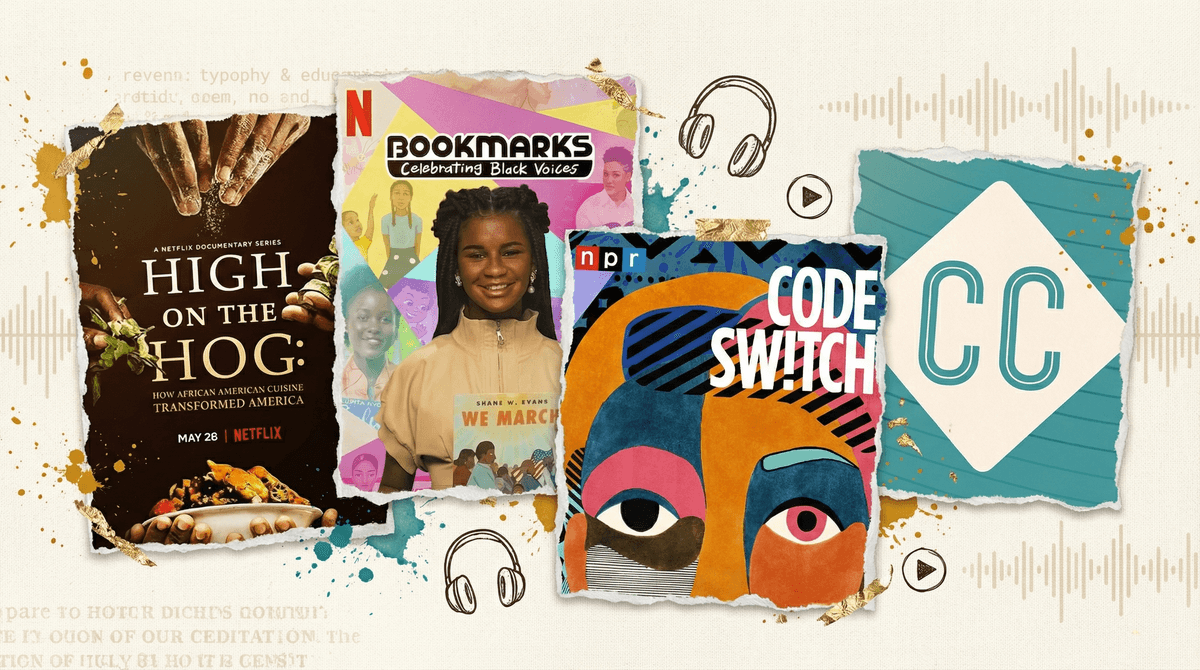
While most food shows are about the "how" of a dish—the technique, the plating, the ego of the chef—High on the Hog is obsessed with the "who." It treats recipes like forensic evidence. If you’re used to the high-octane energy of a cooking competition, this will feel like a different medium entirely. It’s a travelogue that functions as a corrective to the American history books that usually stop at "enslaved people worked on plantations."
The "Food as Technology" Shift
The show’s biggest strength is how it reframes the skills of enslaved people. It moves the conversation away from "manual labor" and toward "intellectual property." When Stephen Satterfield talks about rice in South Carolina or cattle ranching in Texas, he isn't just talking about ingredients; he’s talking about agricultural expertise that built the American economy.
For a teenager who finds history class dry, this is a much more visceral way to learn. It connects the mac and cheese on their plate to the culinary brilliance of James Hemings, who was enslaved by Thomas Jefferson. It turns a meal into a legacy. If you're looking for more ways to bring these stories into your home, our guide to Black history videos and podcasts covers how to keep that momentum going after the credits roll.
Navigating the "Mature" Rating
The Common Sense Media 17+ rating is likely to give parents pause, but it’s worth ignoring the number and looking at the context. There is no "adult content" here in the traditional sense—no gratuitous violence or language. The rating exists because the show goes to the source. When Satterfield visits a "point of no return" slave port in Benin, the emotional weight is massive.
You see the host process his own grief on camera. It’s heavy, but it’s the kind of heavy that leads to the best family conversations. It’s an ideal companion piece if you’re planning Juneteenth activities, as it provides the "why" behind the celebration. If your kid can handle a serious conversation about the reality of American history, they can handle this show.
If Your Kid Liked "Our Planet"
This might seem like a weird comparison, but the cinematography in High on the Hog is top-tier. It has that same "look at how beautiful the world is" DNA that makes top Netflix family documentaries so addictive. It’s slow-paced, which is a feature, not a bug. It’s meant to be watched when you have the mental space to actually listen.
It’s also a great bridge for kids who have outgrown animated features but aren't quite ready for gritty dramas. It sits in that sweet spot of being visually stunning and intellectually demanding. If you find your family leaning into this style of storytelling, check out our list of Black movies on Netflix to find more titles that balance history with high production value.
How to Watch It
Don't binge this. The four-episode structure of the first season is dense. Watch one episode, then go find the food they talked about. Go buy some okra, make a pot of rice, or find a local Black-owned barbecue joint. The show is designed to make you hungry, and the best way to let the history sink in is to literally taste the subject matter. It turns a passive Netflix session into an active family experience.