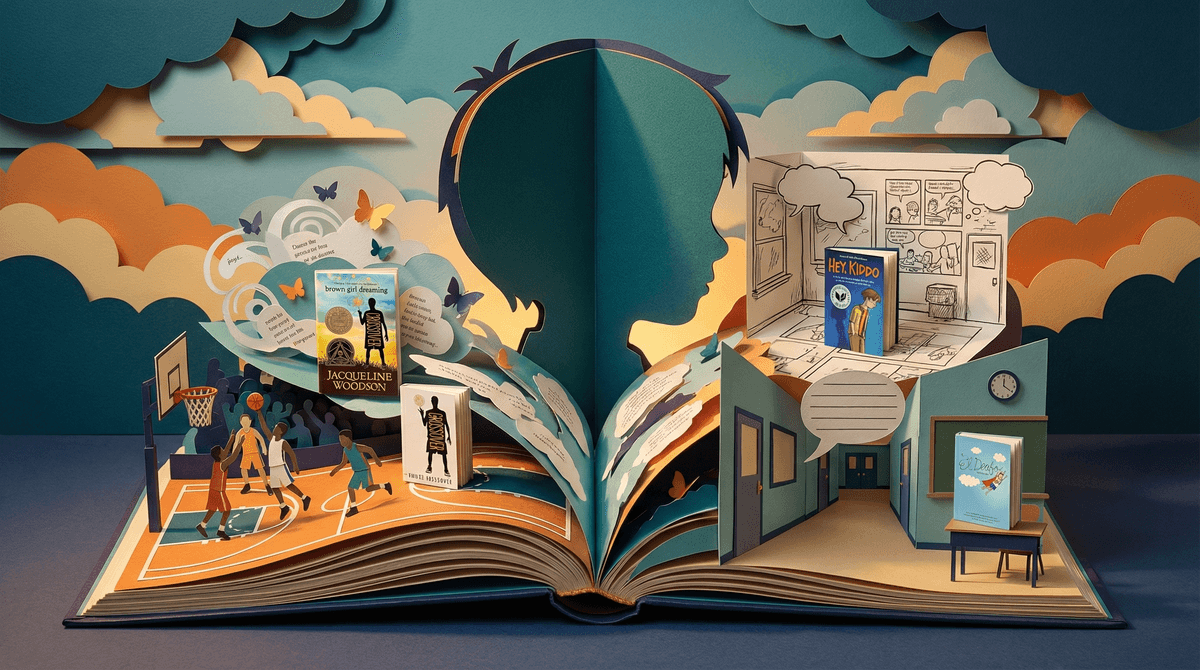
If you grew up on a steady diet of Diary of a Wimpy Kid, the jump to Hey Kiddo feels like moving from a lemonade stand to a high-stakes kitchen. It’s the literary equivalent of a gut punch followed by a very long, very awkward hug. Jarrett J. Krosoczka isn't interested in a sanitized version of childhood. He’s interested in the truth, even when that truth involves a box of old letters from a mother in rehab and a grandfather who swears like a sailor.
The "Real Reading" hurdle
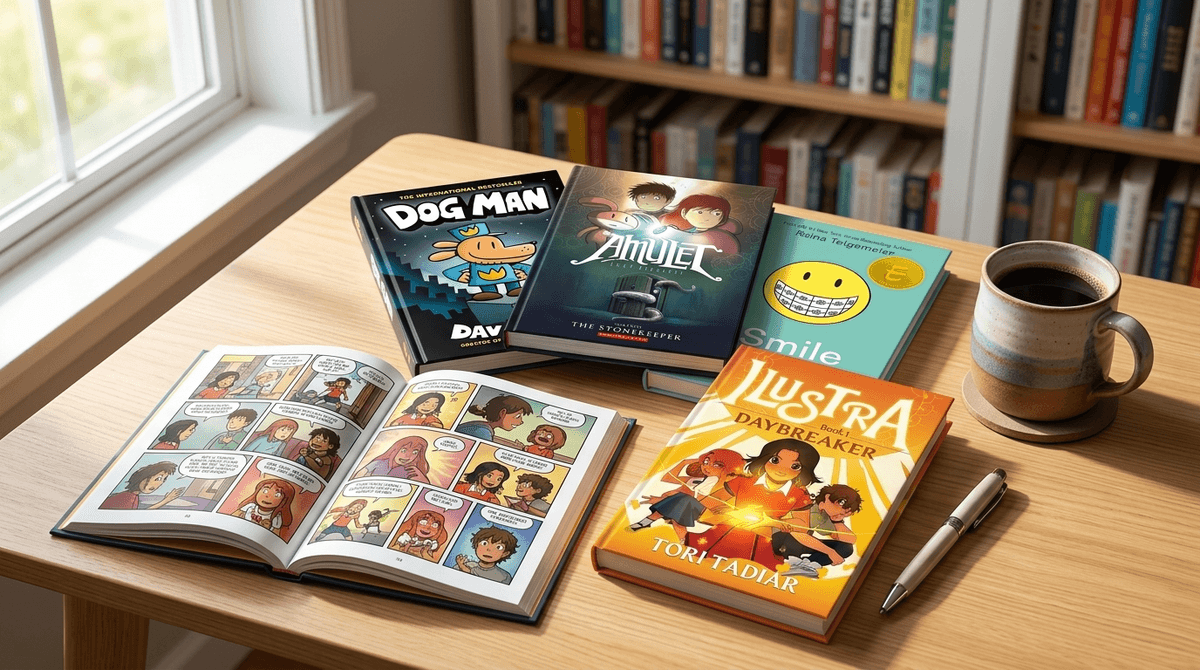
There’s a lingering parent-guilt that graphic novels are somehow "cheating" or a step down from traditional novels. If you’re still wondering Is it 'Real Reading'?, this book is your counter-argument. The storytelling here is sophisticated, using a muted, burnt-orange color palette that feels like an old photograph. Krosoczka uses the medium to show things words can’t quite capture—the physical distance between family members at a dinner table or the way a kid tries to disappear into his own sketchbook when the adults start yelling. It’s a masterclass in visual literacy.
Why the "salty" language matters
You’ll see warnings about the profanity, and they aren't exaggerating. The grandparents, Joe and Shirl, don’t talk like characters in a Sunday school book. They are loud, opinionated, and occasionally crass. But here’s why it works: it’s honest. If Krosoczka had scrubbed the dialogue to make it "safe" for middle schoolers, he would have lost the very authenticity that makes the book resonate. Kids can smell a fake a mile away. By keeping the rough edges, he honors the reality of his upbringing. It’s a great entry point into the broader world of Memoirs for Kids and Teens, showing that a life doesn't have to be perfect to be worth writing about.
If your kid liked Dragon Hoops
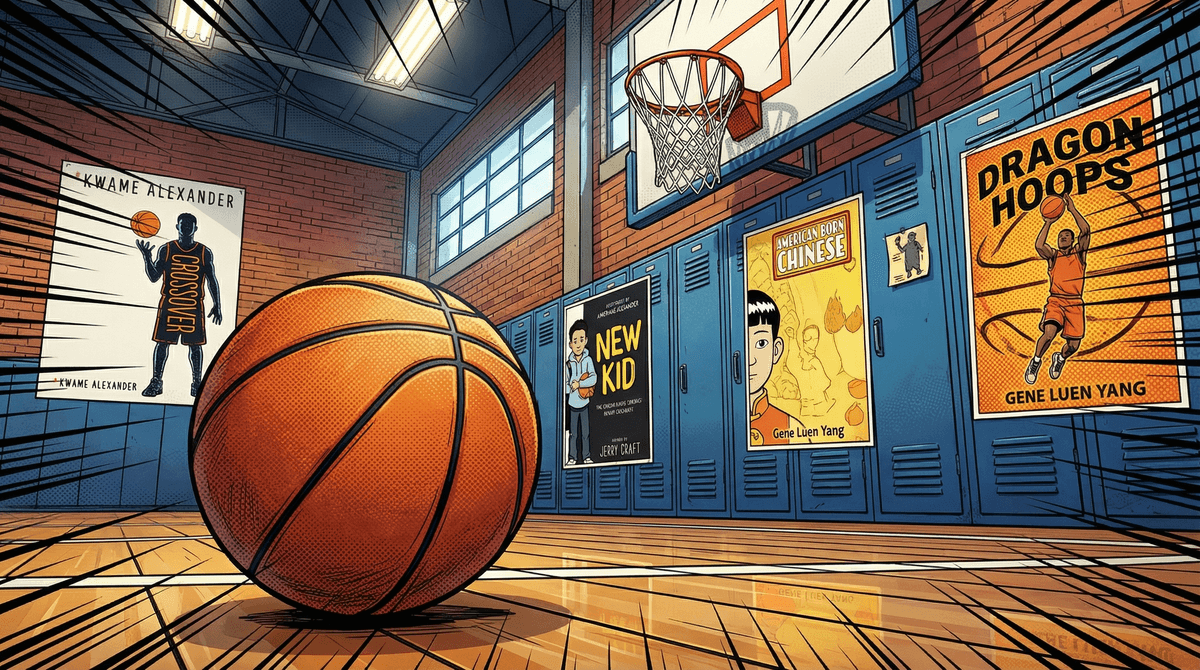
If your teen recently finished Dragon Hoops by Gene Luen Yang, they’re already primed for this. Both books use the graphic memoir format to tackle heavy identity questions and the pressure of meeting (or failing) family expectations. While Dragon Hoops leans into the drama of the court, Hey Kiddo stays in the quiet, sometimes painful moments of domestic life.
The "How to use it" move
Don't just drop this on their nightstand and walk away. This is a "read-it-too" book. You don't need to host a formal seminar, but knowing the plot allows you to be a sounding board when they hit the heavier chapters about Jarrett’s mother. The book doesn't offer easy endings or "everything happens for a reason" platitudes. It offers resilience. For a kid who feels like their family doesn't look like the ones in commercials, seeing Jarrett survive and thrive through his art is a massive, necessary validation. It’s not just a book about addiction; it’s a book about the people who show up when the "main" people can't.