The Joy of the Mundane
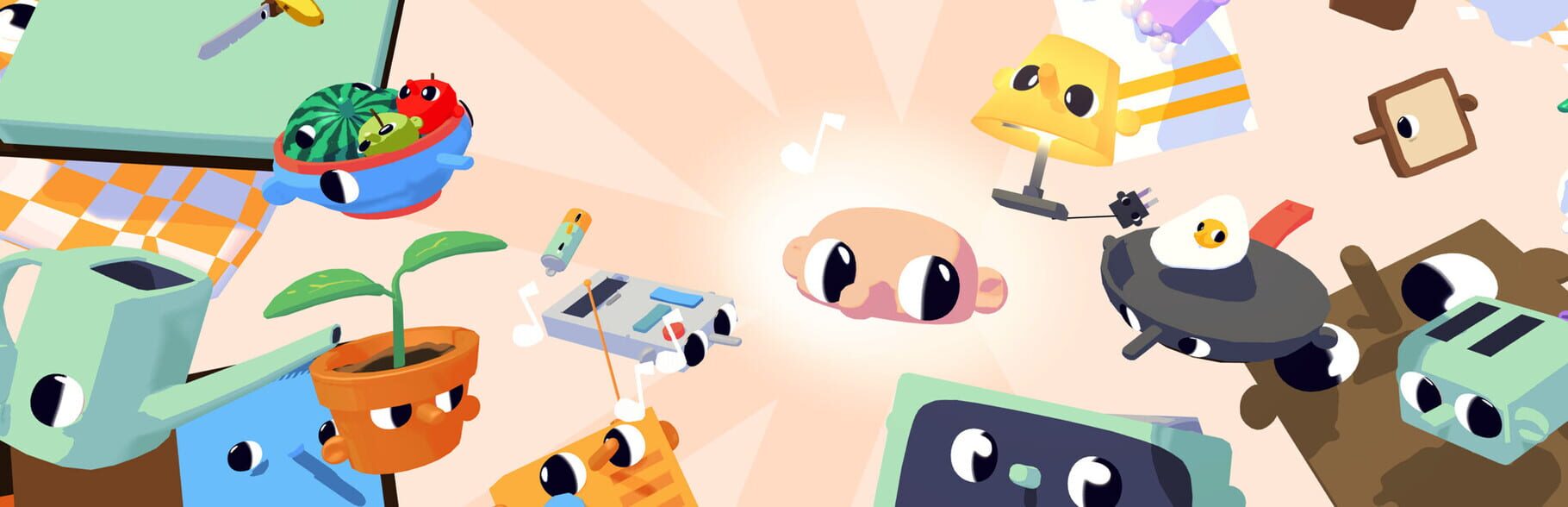
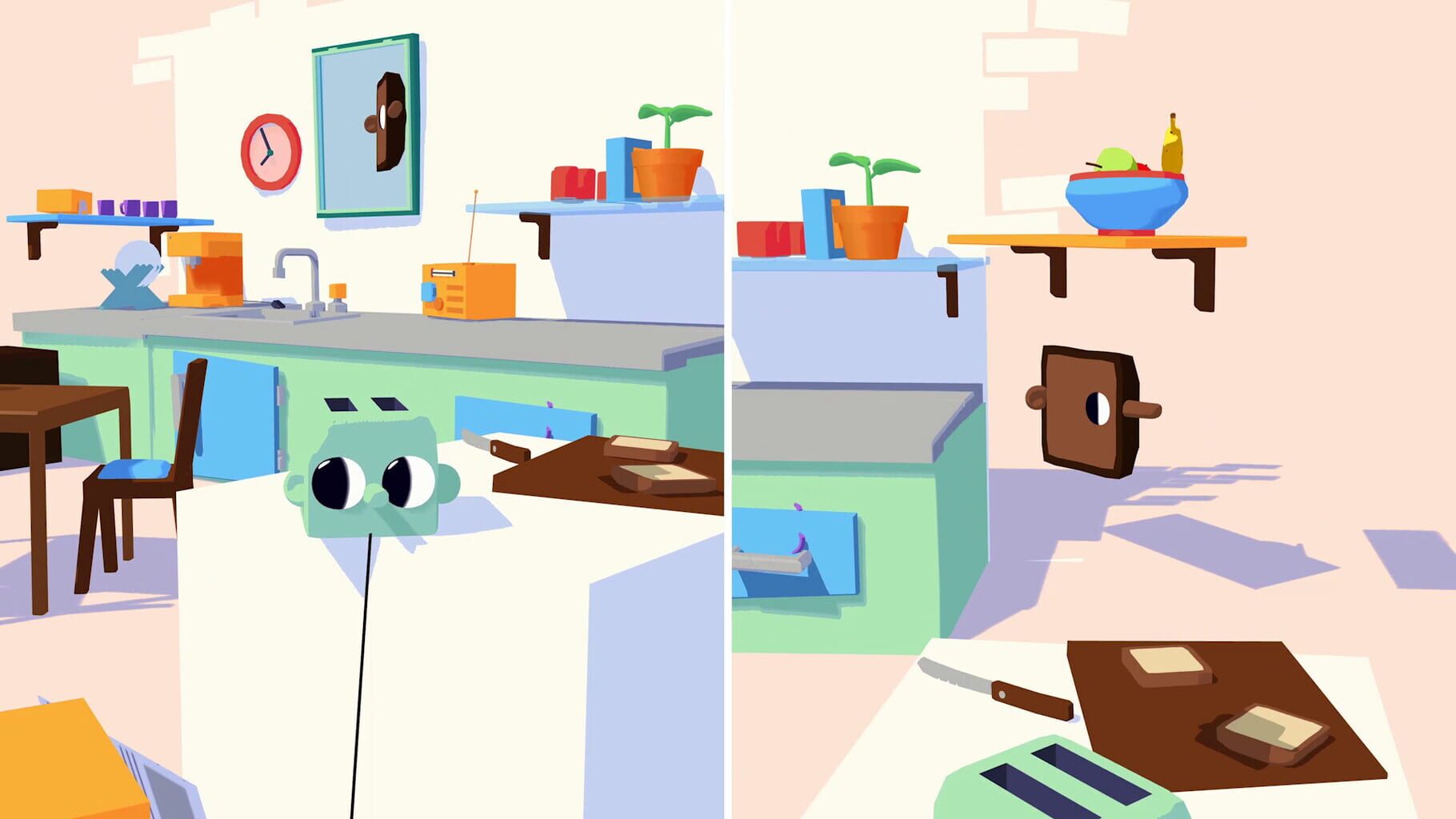
In Henry Halfhead, the mundane becomes the playground. The game succeeds because it leans into a child's natural instinct to ask, "What does this do?" By giving Henry the ability to possess any object, the developers at Lululu Entertainment have created a digital version of playing with a dollhouse, but with much better physics.
One of the standout features is the narrator. In an era where many games rely on flashing lights and dopamine loops, Henry Halfhead uses a voice that feels like it belongs in a classic children's television program. It provides context and warmth, turning a series of puzzles into a cohesive life story.
Sandbox vs. Structure
While the game is technically a sandbox, it’s a structured one. You aren't just wandering aimlessly; you’re following Henry through different life stages. This narrative thread keeps the game from feeling like a tech demo. However, parents should be aware that sandbox physics can occasionally be 'fiddly.' If your child is the type to get easily frustrated when a jump doesn't land perfectly or an object doesn't roll the way they expected, they might need a little 'co-pilot' assistance.
Why it works for Screenwise families
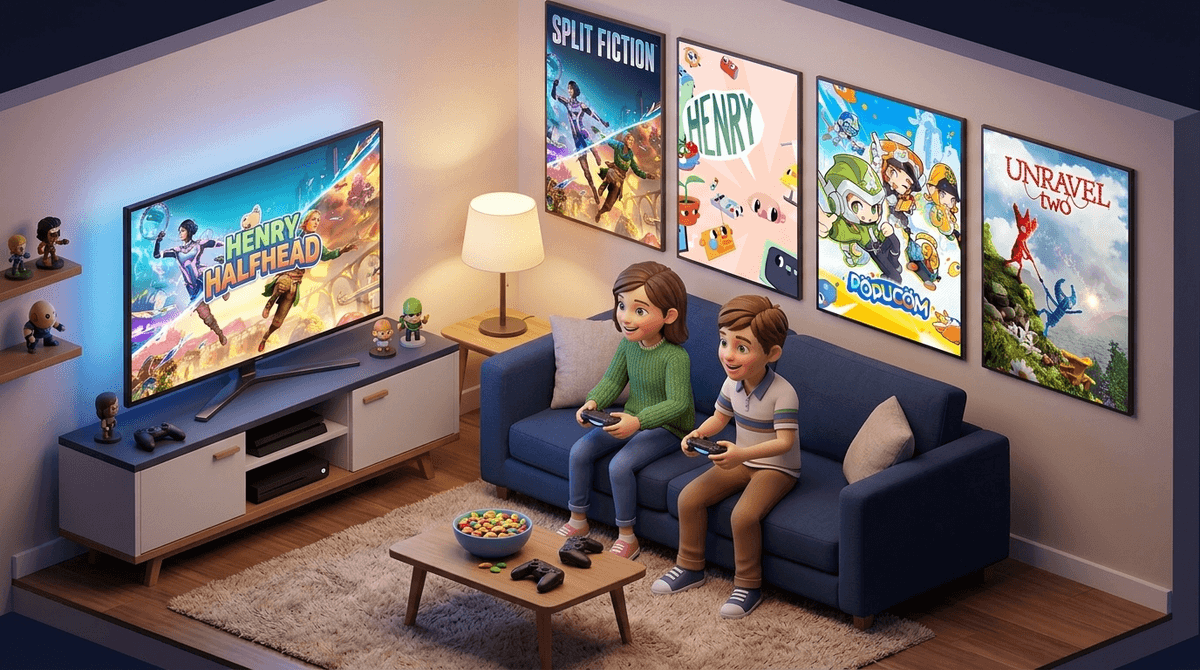
For families who have opted out of the 'infinite' loops of Roblox or the competitive stress of Fortnite, Henry Halfhead is an ideal alternative. It has a definitive beginning and end, no predatory monetization, and it encourages the kind of lateral thinking that pays off in the real world. It’s a rare game that feels like it was made by people who actually like kids.