Halo

Halo

game

2001, Shooter

WISE
75%

WISE Score

84%

IGDB

The shooter that launched a thousand LAN parties—aliens, mystery, and a silent super-soldier saving humanity one plasma grenade at a time.

Where to Play

Screenwise Verdict

Halo is a landmark game that defined console shooters and created one of gaming's richest sci-fi universes. It's also 24 years old, which means the graphics, controls, and pacing feel dated to kids raised on Fortnite and Apex Legends.

That said, if your middle schooler is interested in gaming history or you want to introduce them to shooters without the toxicity of modern online games, Halo is genuinely one of the better choices. The M-rating is real—there's constant combat, alien blood, and the Flood are legitimately creepy—but parent reviews consistently note it's far tamer than Call of Duty or other modern shooters. No swearing, no gore, no sexual content, no predatory monetization.

The split-screen co-op is a huge plus for family gaming, and the story holds up surprisingly well. Just know that younger kids might find the Flood genuinely frightening, and older kids might find the whole thing a bit slow and clunky compared to what they're used to. It's a classic, but classics require context.

Age Fit

Best for ages 12+ who can handle sustained sci-fi combat violence and some horror elements. Parent consensus suggests mature 11-year-olds can handle it, but the Flood's body horror and the game's intensity make it genuinely inappropriate for elementary schoolers despite what some permissive parents allow.

WISE Breakdown
Wholesome
62

Halo presents a clear good-vs-evil narrative with humanity fighting for survival against alien invaders. Master Chief is a stoic, disciplined hero, and the cooperative gameplay encourages teamwork. However, the M-rating violence (shooting aliens that bleed, explosion deaths, and especially the horror-tinged Flood enemies) keeps it from being truly wholesome. That said, parent reviews consistently note it's 'extremely tame for an M rating' with no gore, no profanity, and no sexual content—making it one of the cleaner shooters available.

Imaginative
88

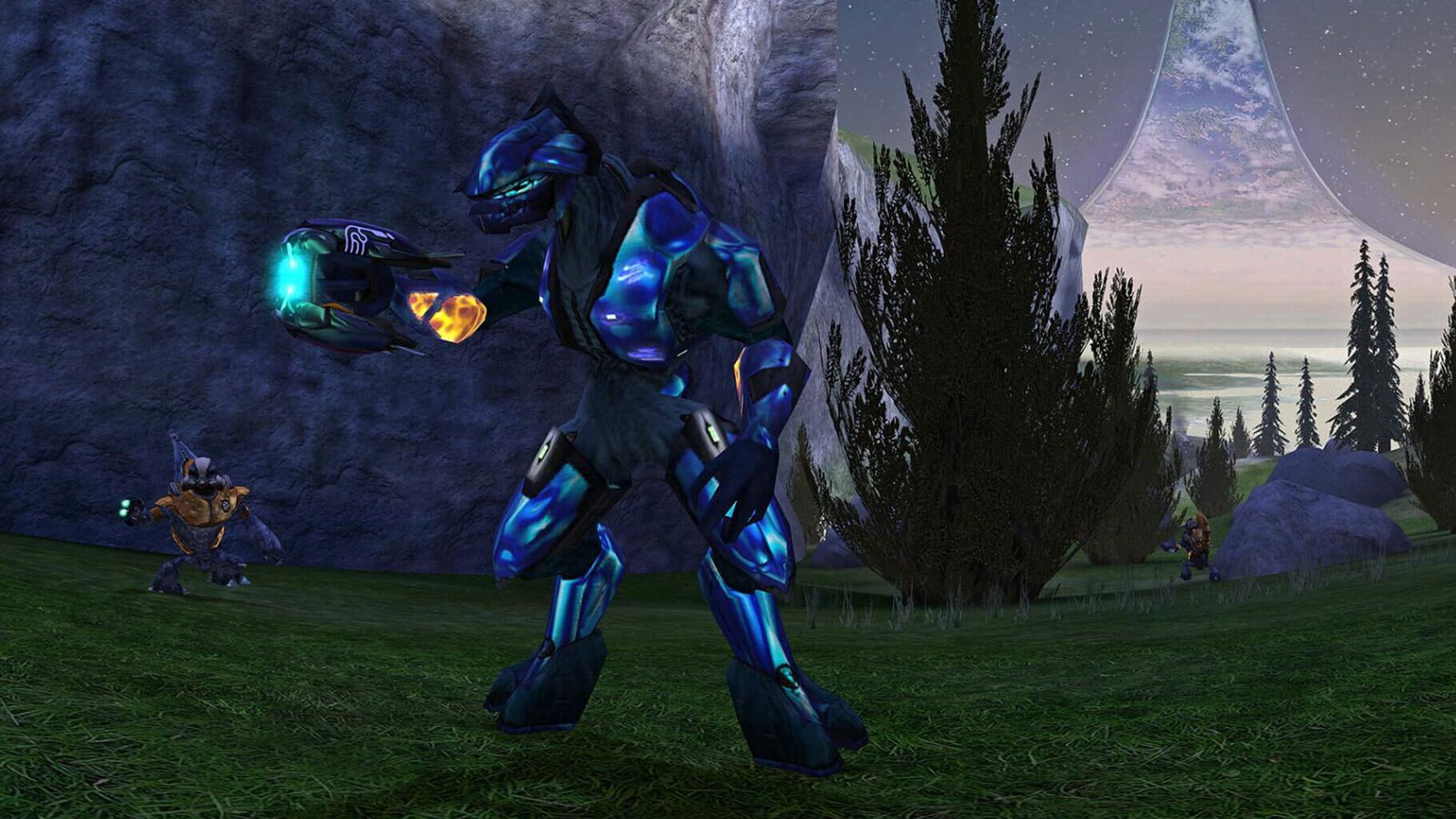
Halo revolutionized console FPS games and created one of gaming's most iconic sci-fi universes. The mysterious ring-world setting, the unfolding mystery of what Halo actually is, the diverse alien Covenant species, and the terrifying Flood all create a rich, immersive world. The level design encourages exploration and experimentation with vehicles, weapons, and tactics. It sparked countless fan theories, expanded universe novels, and creative play. This is world-building done right.

Safe
68

For a shooter, Halo is remarkably safe: no in-game purchases, no loot boxes, no online chat in the original 2001 version, and alien enemies that disappear when killed (no blood pools or gore). The main safety concern is the Flood—zombie-like parasitic creatures that appear mid-game with body horror elements and a genuinely creepy atmosphere that 'may frighten some players.' Multiple parents note kids as young as 6-12 play it, but the M-rating exists for a reason: sustained combat violence, some scary moments, and intensity. The lack of predatory monetization and social features is a huge plus.

Enriching
72

Halo demands strategic thinking, hand-eye coordination, spatial reasoning, and resource management. Players must learn enemy behaviors, choose appropriate weapons for different situations, and navigate complex 3D environments. The campaign's mystery structure encourages curiosity and problem-solving. Cooperative play builds communication and teamwork skills. While it's primarily entertainment, it's the kind of entertainment that exercises the brain. The science fiction setting can spark interest in space, technology, and storytelling. Not educational per se, but far from mindless.

Parent Info

Why It Might Be Great

  • Revolutionary sci-fi world-building that holds up 20+ years later, with genuine mystery and intrigue about what Halo actually is
  • Remarkably clean for a shooter—aliens bleed but disappear, zero profanity, no sexual content, and parent reviews consistently call it 'tame for an M-rating'
  • Teaches strategic thinking, resource management, and teamwork through varied combat scenarios and cooperative play
  • No microtransactions, loot boxes, or predatory monetization—just a complete game you buy once and own
  • Split-screen co-op creates shared family gaming experiences (if your family's thing is shooting aliens together)

What to Watch For

  • The Flood arrives mid-game and shifts tone dramatically—these parasitic zombie-aliens have body horror elements and genuinely creepy atmosphere that frightens some kids
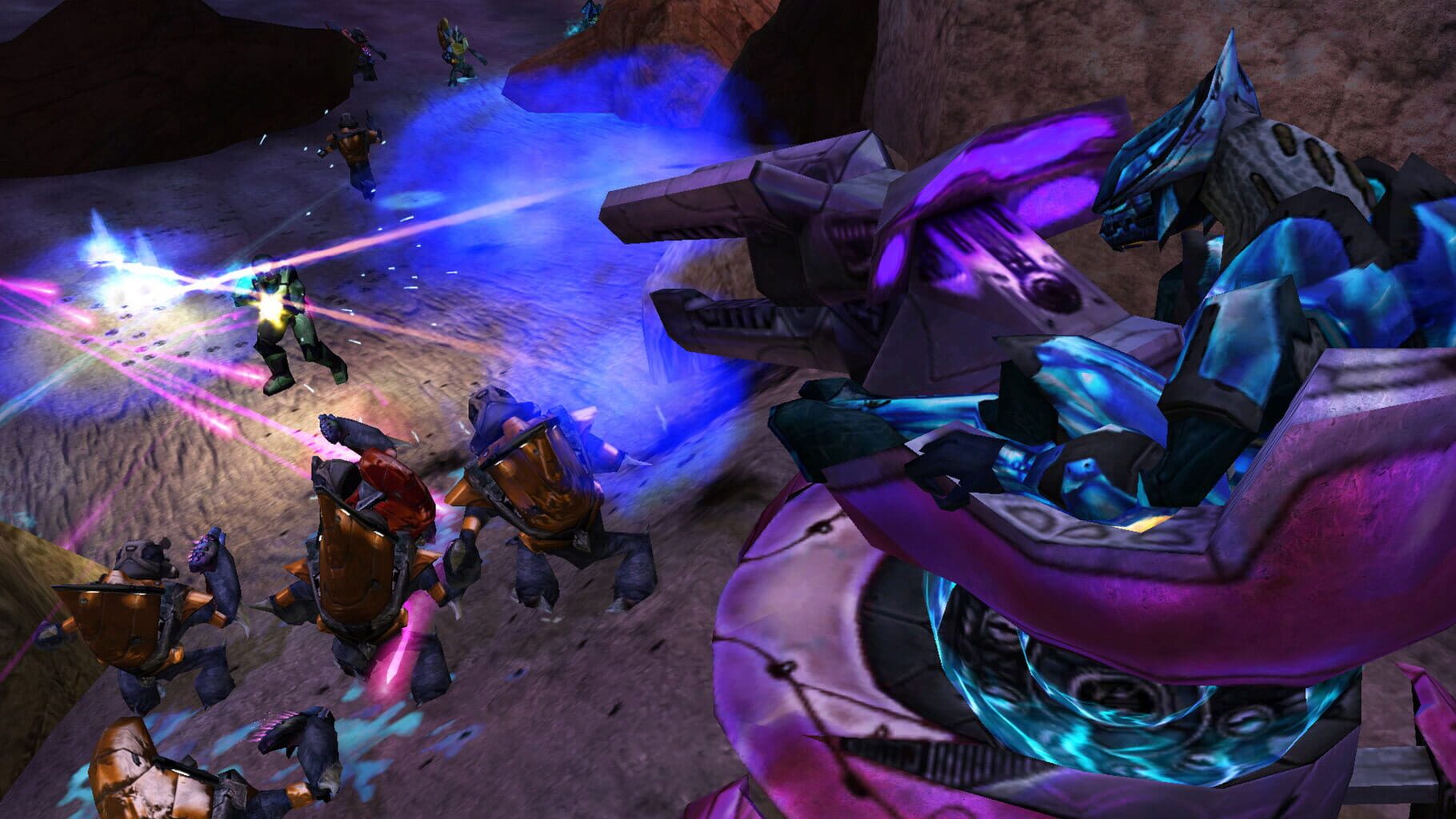
  • It's still an M-rated shooter with constant combat violence; enemies are aliens but they do bleed (purple and blue, mostly) and die in explosions
  • Some levels have intense, claustrophobic atmosphere—think dark corridors with motion tracker beeping as enemies approach
  • The game is 24 years old; graphics and pacing feel dated compared to modern shooters, which might frustrate kids used to current games

Conversation Starters

  • "Master Chief barely talks—why do you think Bungie made that choice? Does it make you feel more like you ARE the character?"
  • "The Covenant are trying to activate Halo thinking it's a religious weapon, but it's actually [spoiler]. What would you do if you discovered your beliefs were wrong?"
  • "If aliens showed up tomorrow, do you think humanity would unite like in Halo, or would we still be fighting each other?"
  • "The Flood are pretty terrifying. What makes something scary in a game versus scary in a movie?"

Deep Dive

The "Soft M" and the 2001 lens

If you look at a modern shooter like Call of Duty, the Mature rating is usually for hyper-realistic military violence and some pretty grim dialogue. Halo sits in a different category. Back in 2001, the ESRB was a bit more sensitive to the sheer volume of shooting, but by today’s standards, this is a neon experience. You are a giant green supersoldier shooting purple aliens who explode into blue goo. It feels more like a Saturday morning cartoon with a massive budget than a gritty war movie.

When you're weighing the rating, it’s worth reading up on Violence in Games & Media: What Actually Matters for Kids. For Halo, the violence is a mechanical puzzle. You’re managing shield levels and swapping weapons on the fly. It’s fast, but it’s never mean-spirited or gratuitous. There’s no civilian collateral damage or realistic torture. It’s just you, a very helpful AI, and an army of aliens who are mostly annoyed that you’re in their way.

The pivot into horror

Every parent should know about the "Flood" shift. For the first half of the game, Halo is a wide-open sci-fi adventure. Then, about midway through, it turns into a survival horror game. A parasitic organism called the Flood shows up, and the game stops being about colorful alien shootouts and starts being about atmosphere.

The music shifts. The hallways get darker. You’ll hear the wet thud of enemies jumping out of vents before you see them. It’s not "jump scare" heavy in the modern sense, but for a kid who isn't ready for body horror, it can be a shock. The Flood are essentially space zombies that reanimate dead soldiers. If your kid handled the darker moments of Stranger Things, they’ll be fine. If they’re still wary of the dark, you might want to sit nearby for the 343 Guilty Spark level.

Why play a relic?

Your kid might ask why they should bother with a game that’s older than they are, especially when Halo Infinite exists with better graphics. The answer is the pacing. Modern shooters are often a sensory overload of unlocks, battle passes, and screaming teammates. Halo: Combat Evolved is quiet. It lets you explore massive, mysterious structures at your own speed.

It’s also one of the best ways to test the waters of the genre without the "live service" headache. If you’re already looking at Is Xbox Game Pass Still a Deal for Families?, this is likely already sitting in your library. It’s a low-risk way to see if they enjoy the strategic side of shooters before committing to a more intense, online-only community. Just be prepared for them to complain that there’s no "sprint" button. In 2001, Master Chief only had one speed, and he was okay with that.

Ask Anything

Get a personalized guide on any topic