The "Reading with Pictures" literacy engine
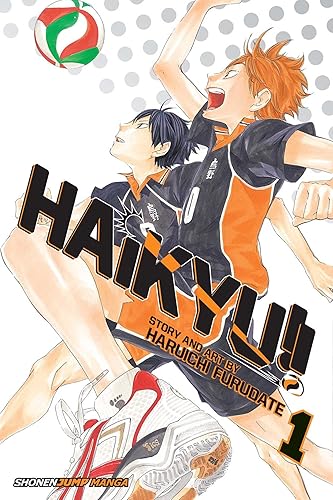
If you're still on the fence about whether graphic novels are a total cop-out for middle schoolers, Haikyu!! is the series that will change your mind. While the pages are filled with spikes and blocks, the reading experience is surprisingly dense. Haruichi Furudate uses a kinetic art style that forces the brain to track movement across the page in a way traditional prose doesn't. It’s not "easy" reading; it’s visual literacy.
For a kid who struggles to sit through a 300-page novel, the 4.8 Amazon rating for this series makes sense. It’s addictive because it respects the reader's intelligence. It doesn't over-explain the emotions; it shows them through a character's posture or a desperate dive for a ball. It’s a great bridge for kids moving from simpler titles toward more complex age-appropriate manga series for middle school.
Sports manga without the "superpowers"
A lot of sports media for kids falls into the trap of making the protagonist a chosen one with magical abilities. Haikyu!! stays grounded. When Hinata (the short, scrappy lead) and Kageyama (the moody genius) fail, they fail because of physics, fatigue, or a lack of communication.
This groundedness makes the stakes feel earned. It’s the perfect recommendation for the kid who is obsessed with stats or strategy. If you’re looking to pivot a child from the controller to the court, this is the entry point. It captures the high-stakes adrenaline of a gaming tournament but applies it to a physical gym.
Navigating the "backwards" book
If this is your first time bringing manga into the house, your kid might need a two-minute tutorial on why they are reading "backwards". Since manga is read right-to-left, the "back" of the book is actually the front.
It’s a minor hurdle that kids usually clear in about three pages, but it’s a great moment to talk about different cultural storytelling traditions. The "shonen" genre (aimed at teen boys) is often criticized for being all flash and no heart, but Haikyu!! manages to be sincere without being cheesy. It’s about the grind, the repetition, and the quiet realization that you aren't the best person in the room—and why that’s actually a good thing.