The Peripheral King
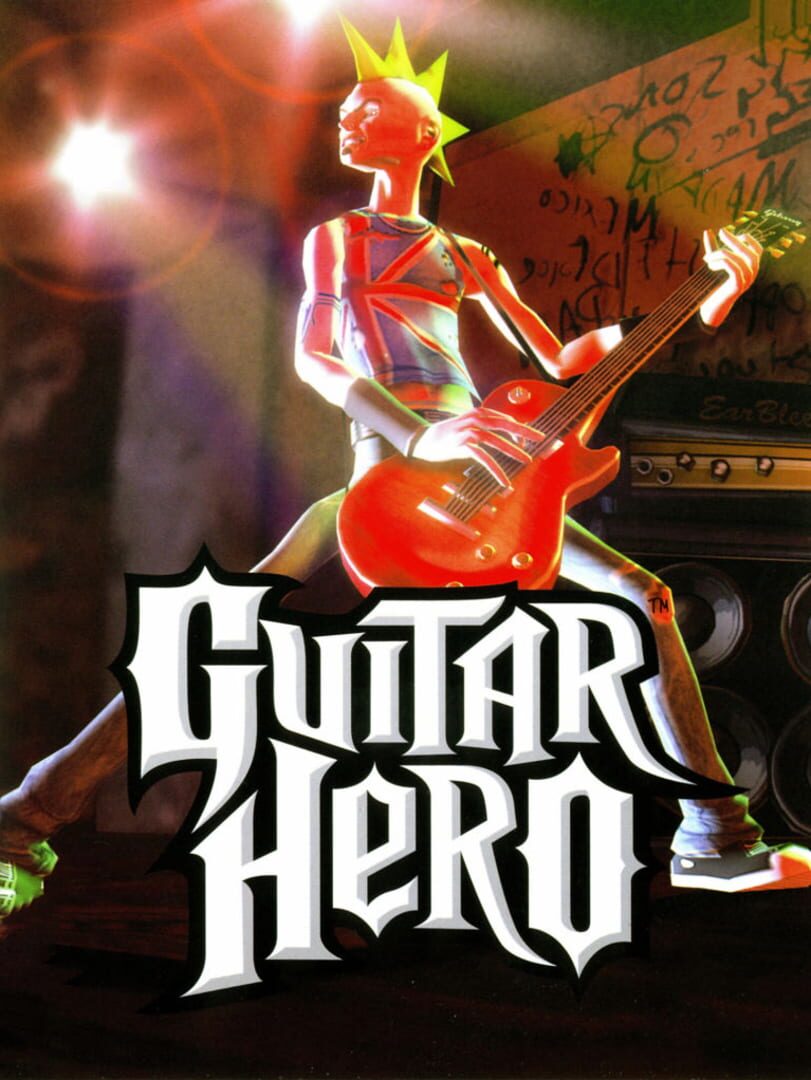
Before Fortnite dances and Roblox hangouts, we had the plastic guitar. Guitar Hero didn't just change how we played games; it changed how a generation discovered music. For a parent in 2026, this game is a refreshing break from the 'live service' nightmare. There are no seasons to buy, no limited-time skins, and no one is screaming at your kid through a headset.
Why it still hits
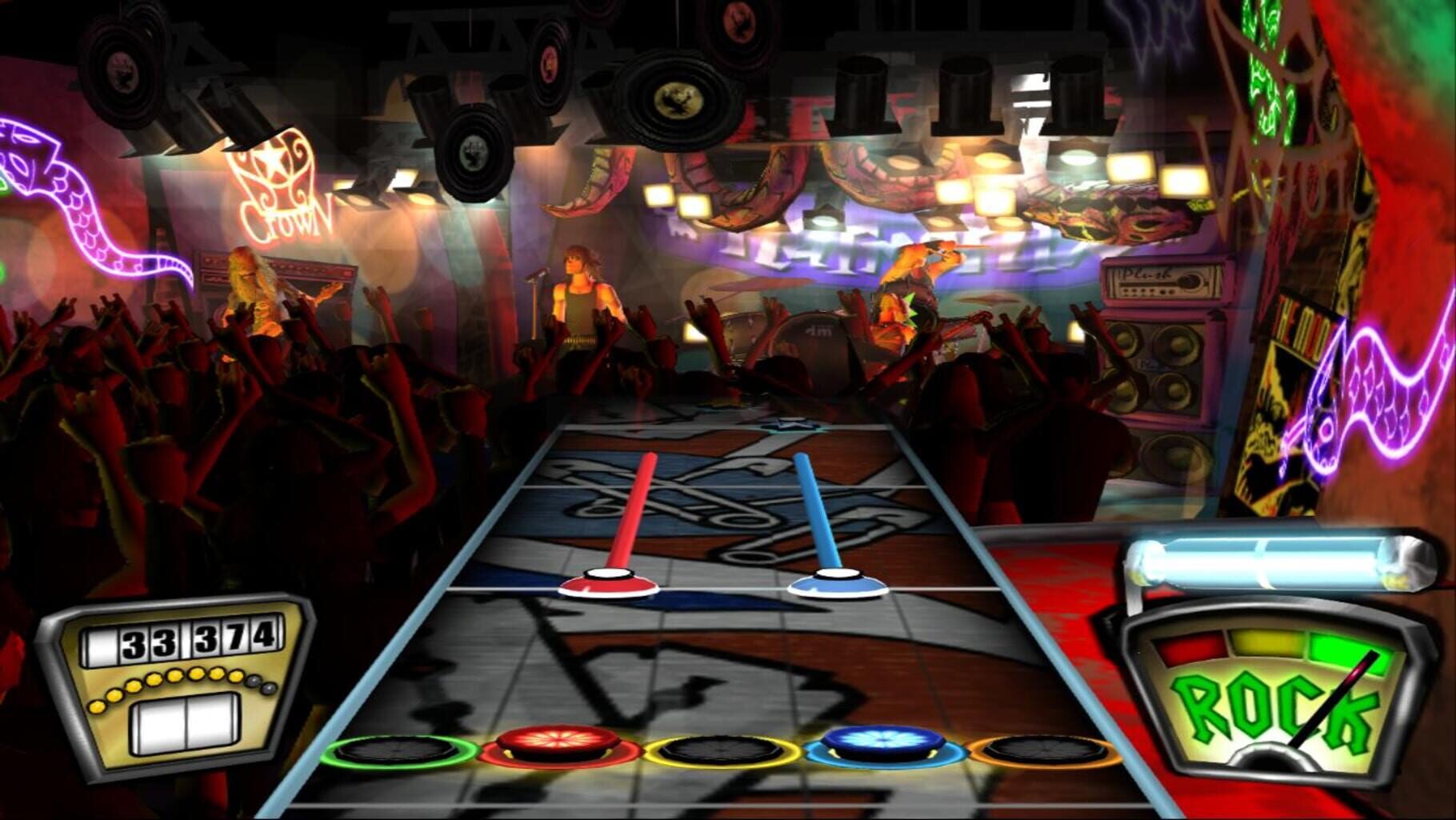
The genius of the original Guitar Hero (and its developer Harmonix) was the feedback loop. When you hit a note, the track sounds full; when you miss, you get that jarring clink that makes you want to do better. It teaches a form of 'grit'—you will fail a song, you will practice the bridge, and you will eventually nail it. That's a better lesson than any educational app could hope to deliver.
The 'Old Tech' Penalty
Let's be real: the PS2 looks rough on a modern OLED TV. The characters are blocky, and the menus are clunky. If your kid is a graphics snob, they might bounce off this in five minutes. However, the gameplay loop is so tight that most kids forget about the pixels once they're trying to five-star 'Bark at the Moon.' If you're looking for a modern equivalent without the hardware hassle, you're looking at Fortnite Festival, but there's something uniquely tactile about the original plastic SG that just can't be replicated on a standard controller.