Google Play Store

Google Play Store

app

Teen, 2013, Entertainment

WISE
35%

WISE Score

4.4

App Store

The wild west of app distribution—great apps exist here, but you'll need to be the sheriff protecting your kids from the snake oil salesmen.

Screenwise Verdict

Here's the thing: the Google Play Store isn't an app for kids. It's a marketplace, and like any marketplace, it's full of both treasures and trash—except the trash is specifically engineered to be appealing to children and extract money from parents.

The web search results tell the real story: parents report it's 'stressful' and a 'disaster' when kids browse alone. That's because the store's business model depends on surfacing high-engagement content, which for kids means addictive games with manipulative monetization. The algorithm doesn't care about your child's development; it cares about downloads and revenue.

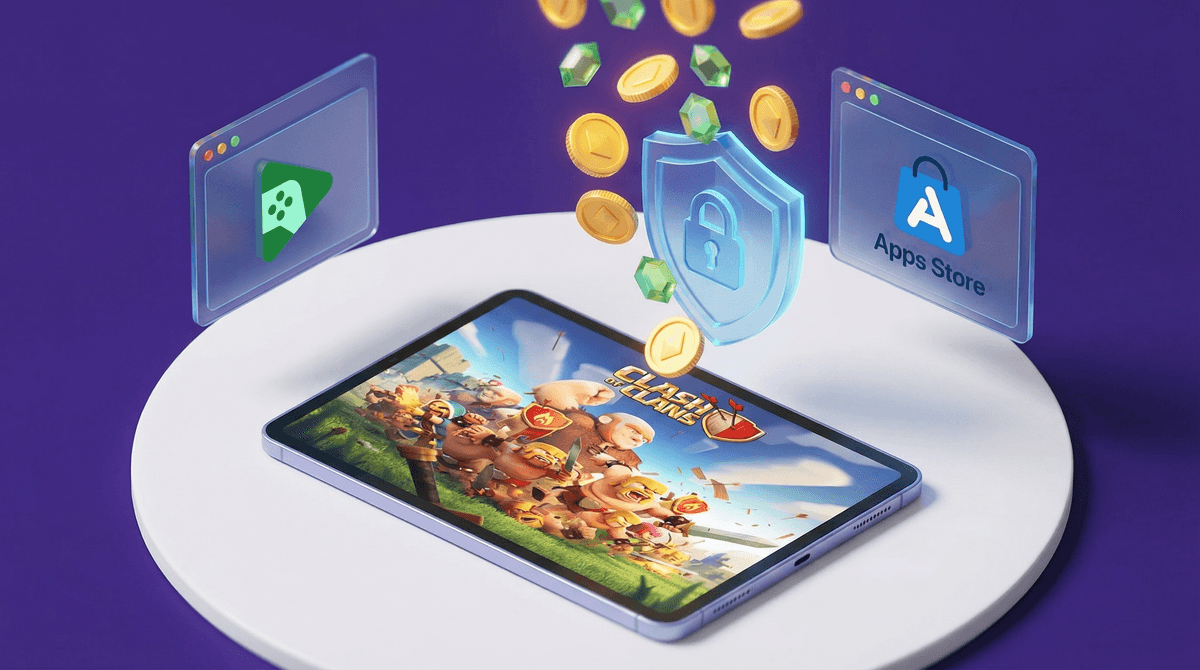
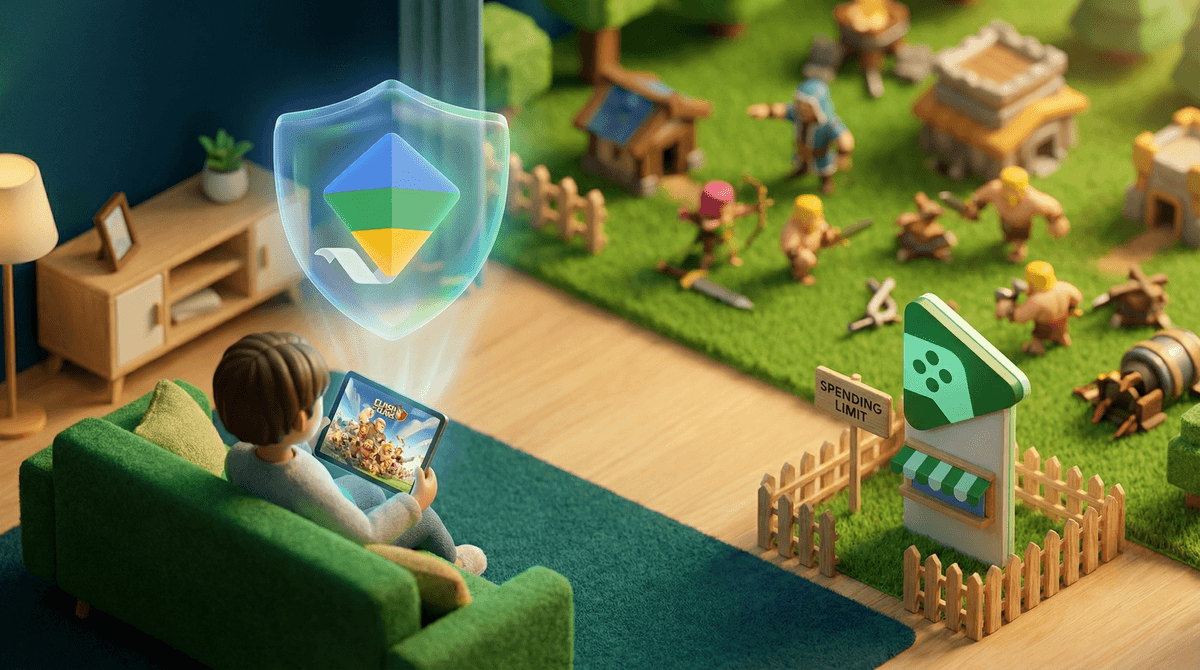
Google Family Link and Kids Mode help, but they're band-aids on a fundamentally problematic system. The best approach? Treat the Play Store like you would a convenience store—you wouldn't let your 7-year-old wander the aisles alone with your credit card, so don't do the digital equivalent. Curate apps yourself using resources like Common Sense Media, pre-install them, and lock down the store.

The confusion in the synopsis (which describes Google Play Games, not the store) is emblematic of the whole problem—even understanding what you're dealing with requires detective work. This isn't a tool for kids; it's a tool for parents who need to be vigilant gatekeepers.
Age Fit

The Play Store isn't really 'for' any age—it's infrastructure that requires adult management. Kids as young as 4-5 might use tablets with pre-installed apps, but independent browsing shouldn't happen until teens have developed critical thinking about digital manipulation (14+), and even then with guidance.

WISE Breakdown
Wholesome
45

The Google Play Store itself is neutral infrastructure, but the synopsis describes Google Play Games, not the store. The actual Play Store is a marketplace with wildly inconsistent content quality—from educational gems to predatory games targeting kids. Parent reviews consistently report stress when children browse independently, finding manipulative apps designed to extract money. The store's curation for kids exists but requires active parental management.

Imaginative
35

As a distribution platform, the Play Store doesn't create imagination—it's a gateway. The built-in games mentioned (Solitaire, Minesweeper, Snake) are classic time-killers, not creative engines. The 'Instant play' feature is technically clever but doesn't drive creative thinking. The store's value depends entirely on what you download from it, and its algorithm often surfaces lowest-common-denominator content rather than truly imaginative experiences.

Safe
38

This is where the Play Store struggles significantly. Web search results confirm parent concerns: 'disaster' when kids browse alone, apps with aggressive monetization, inconsistent age ratings, and manipulative design patterns. While Google Family Link exists as a control mechanism, the default experience exposes children to predatory free-to-play mechanics, misleading ads, and inappropriate content that slips through curation. The Kids Mode helps but doesn't solve the fundamental issue that the store prioritizes engagement and revenue over child safety.

Enriching
42

The Play Store can be enriching if parents actively curate—Common Sense Media maintains lists of quality apps. But the platform itself doesn't guide families toward enriching content; its recommendation algorithm favors viral, addictive experiences. The gamer profile and achievement systems mentioned promote extrinsic motivation rather than intrinsic learning. Educational apps exist but are buried under mountains of junk food content.

Parent Info

Why It Might Be Great

  • Access to genuinely excellent educational apps, games, and content when properly curated
  • Google Family Link integration allows parents to approve downloads and set restrictions
  • Kids Mode provides a somewhat safer browsing experience with age-filtered content
  • Common Sense Media and other organizations maintain curated lists of quality apps to guide parents

What to Watch For

  • Children browsing independently will encounter manipulative free-to-play games designed to extract money through psychological tricks
  • Age ratings are inconsistent and often inaccurate—apps marketed to kids frequently contain inappropriate content or predatory monetization
  • The algorithm prioritizes engagement over quality, surfacing addictive content rather than enriching experiences
  • Without parental controls, kids can download apps with in-app purchases, ads, and data collection
  • The synopsis describes Google Play Games features, not the store itself—potential confusion about what you're actually getting

Conversation Starters

  • "What makes you want to download that app? Let's look at it together before we decide."
  • "Have you noticed how some games try to make you spend money? What tricks do they use?"
  • "Let's find three apps you're interested in and read the reviews together to see if they're actually good."

Ask Anything

Get a personalized guide on any topic