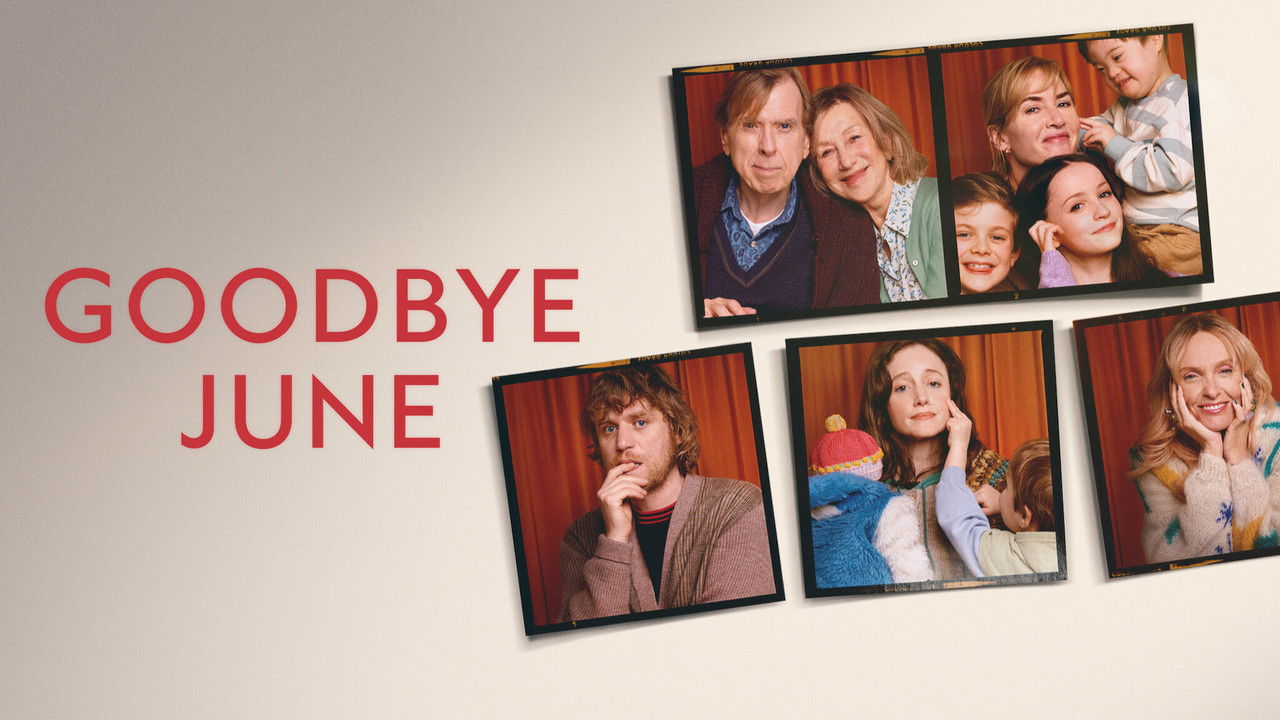
The Winslet family project
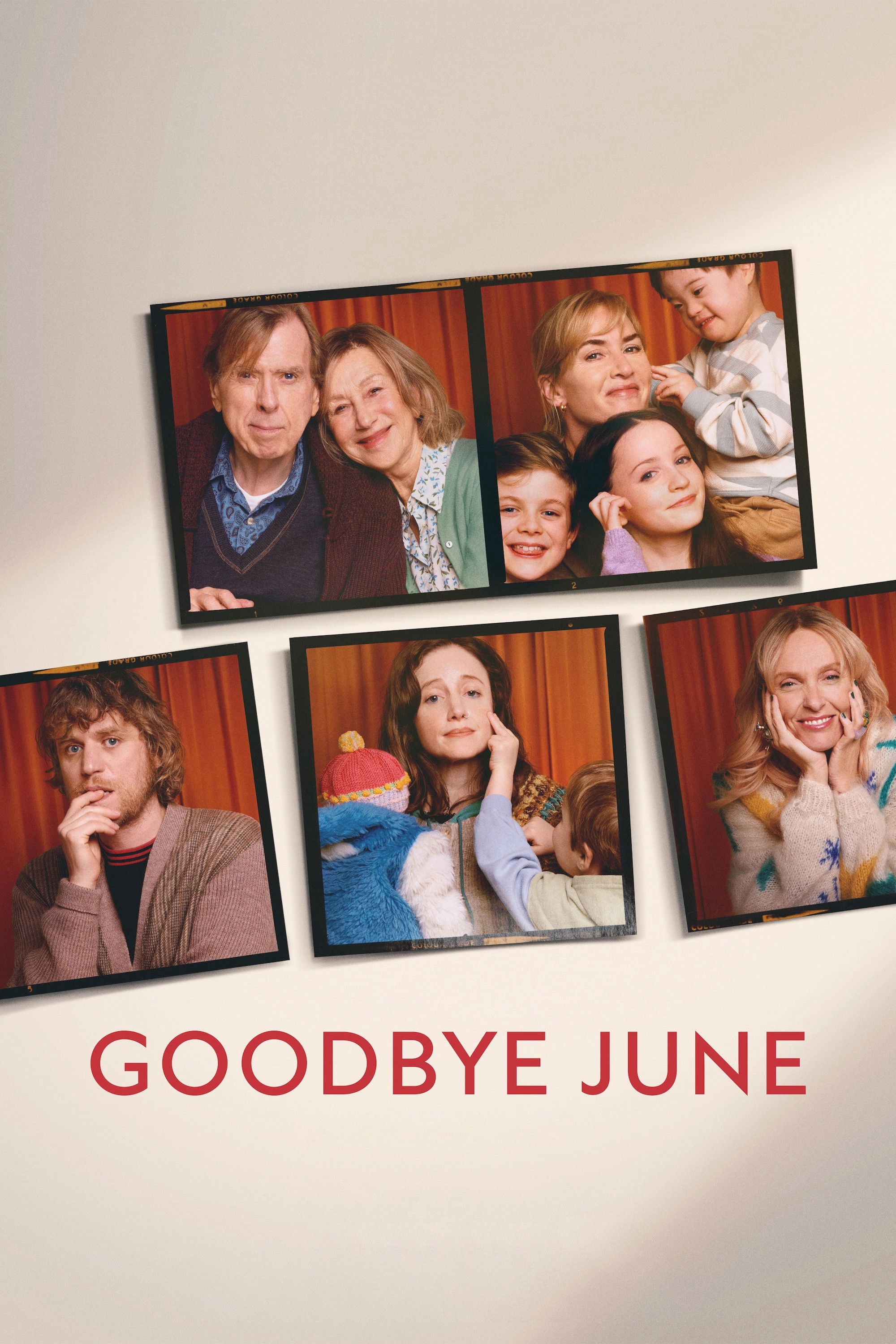
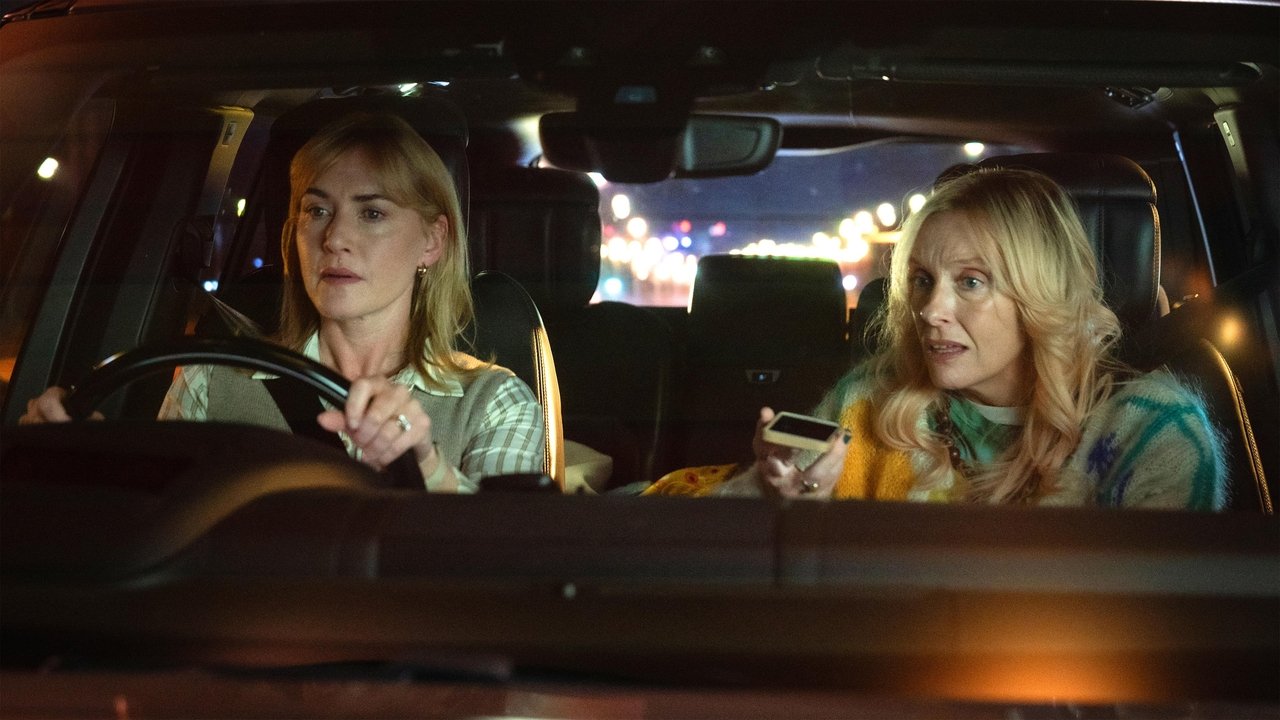
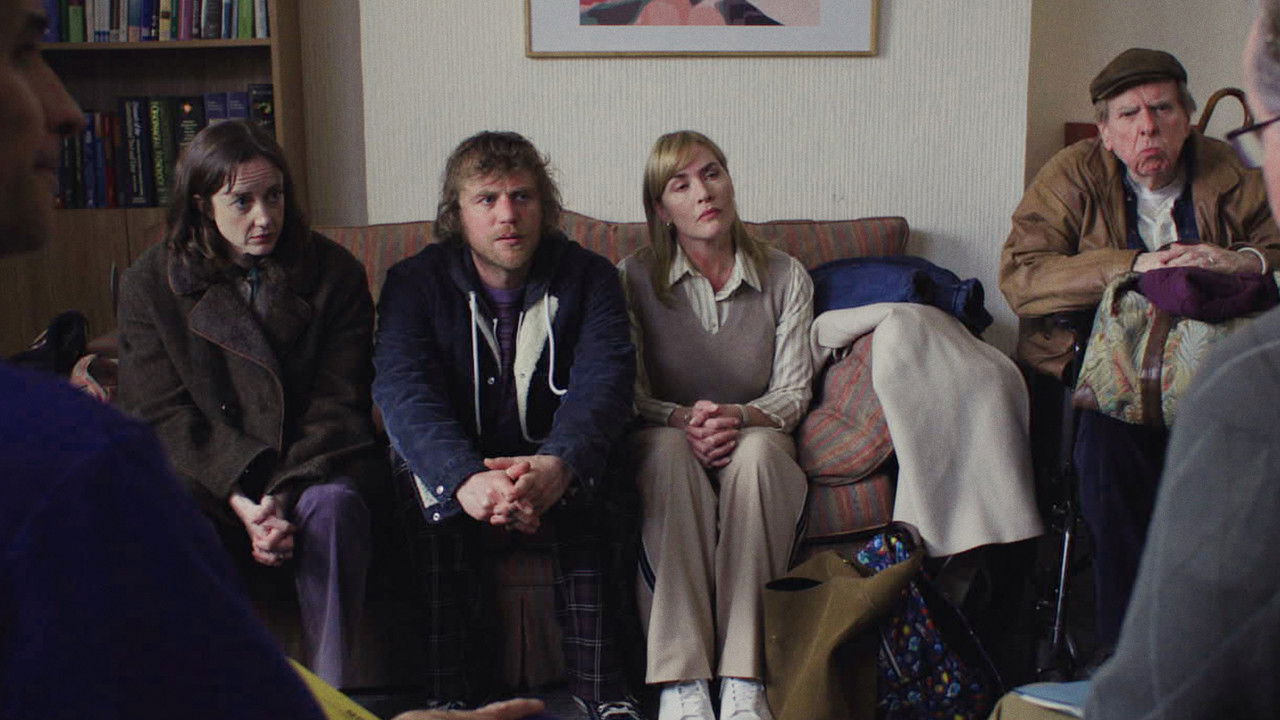
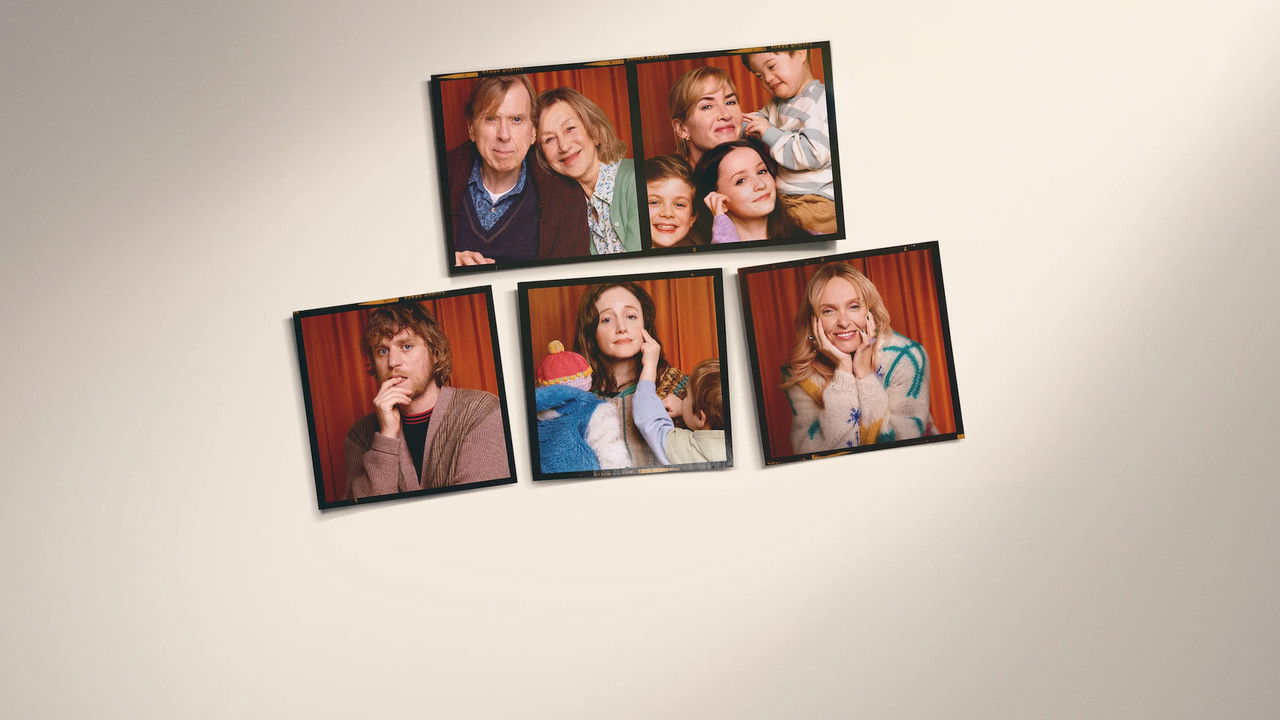
There’s a specific kind of intimacy that happens when a movie is a literal family affair. Goodbye June marks Kate Winslet’s directorial debut, working from a script written by her son, Joe Anders. You can feel that closeness in the way the camera lingers on the four siblings. It doesn’t feel like a polished Hollywood production; it feels like a home movie with a massive budget.
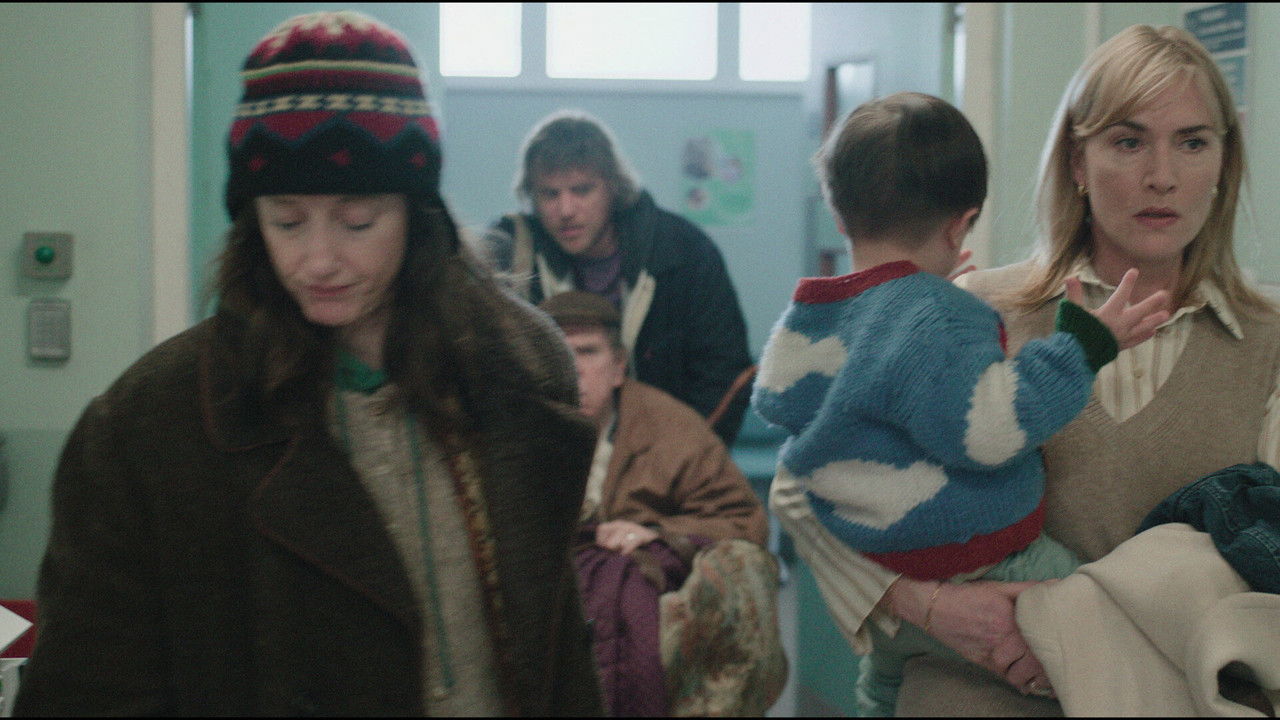
Critics have been lukewarm—that Metacritic 55 suggests some found the pacing sluggish or the dialogue a bit too "written"—but the audience score tells a different story. People who watch this aren't looking for a cinematic revolution; they’re looking for a mirror. If your family has ever navigated the "waiting room" phase of a terminal illness, you’ll recognize the specific brand of gallows humor and exhausted bickering that Anders captures here.
Is it actually "too sad"?
The biggest question parents have about this one is whether it’s a "misery porn" trap. It’s not. While it's a heavy lift emotionally, it avoids the manipulative, "weep-on-cue" music cues you’d find in a Nicholas Sparks adaptation. The 15+ rating from Common Sense Media (and the R rating for language and brief nudity) is less about protecting kids from "bad" content and more about a maturity check.
If you’re wondering is Goodbye June too sad for teenagers, the answer depends entirely on their experience with loss. For a teen who has never dealt with a sick relative, this might just feel like a long, talky drama. For a kid who has lived through it, it might be a lot to process on a Tuesday night. It’s the kind of film that’s better watched together so you can pause when the siblings start hitting those raw nerves.
The sibling shorthand
The movie succeeds most in the "unspoken" moments between the four siblings. They fall back into their childhood roles—the bossy one, the screw-up, the caretaker—the second they step back into their mother's house. It’s a great entry point for navigating the new Netflix family tearjerker because it shows that even in the middle of a tragedy, people are still annoying, funny, and petty.
If your teen liked the family dynamics of Little Women or the emotional stakes of This Is Us, they’ll find plenty to latch onto here. It’s less about the medical specifics of the mother’s decline and more about the legacy she’s leaving behind through these four very different people.
How to use the "Big Sad"
Don't just hit play and walk away. This is a "bridge" movie. It’s a way to talk about the heavy stuff without it feeling like a forced "family meeting."
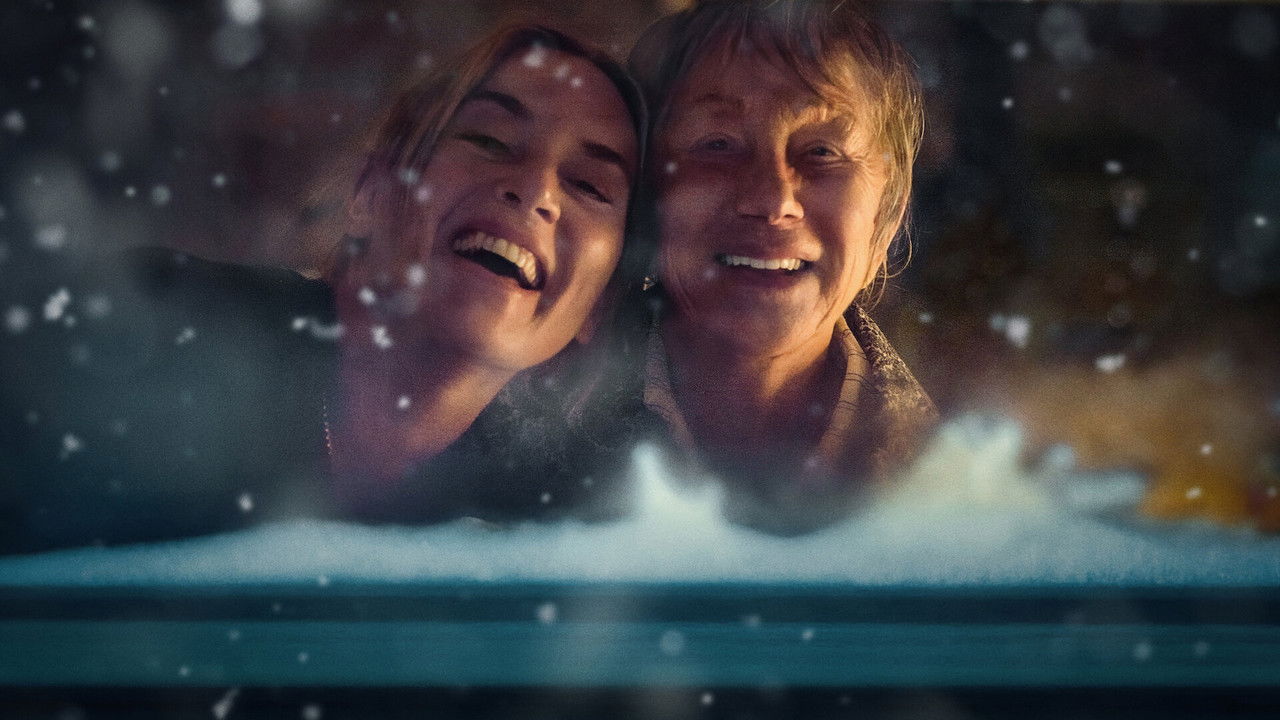
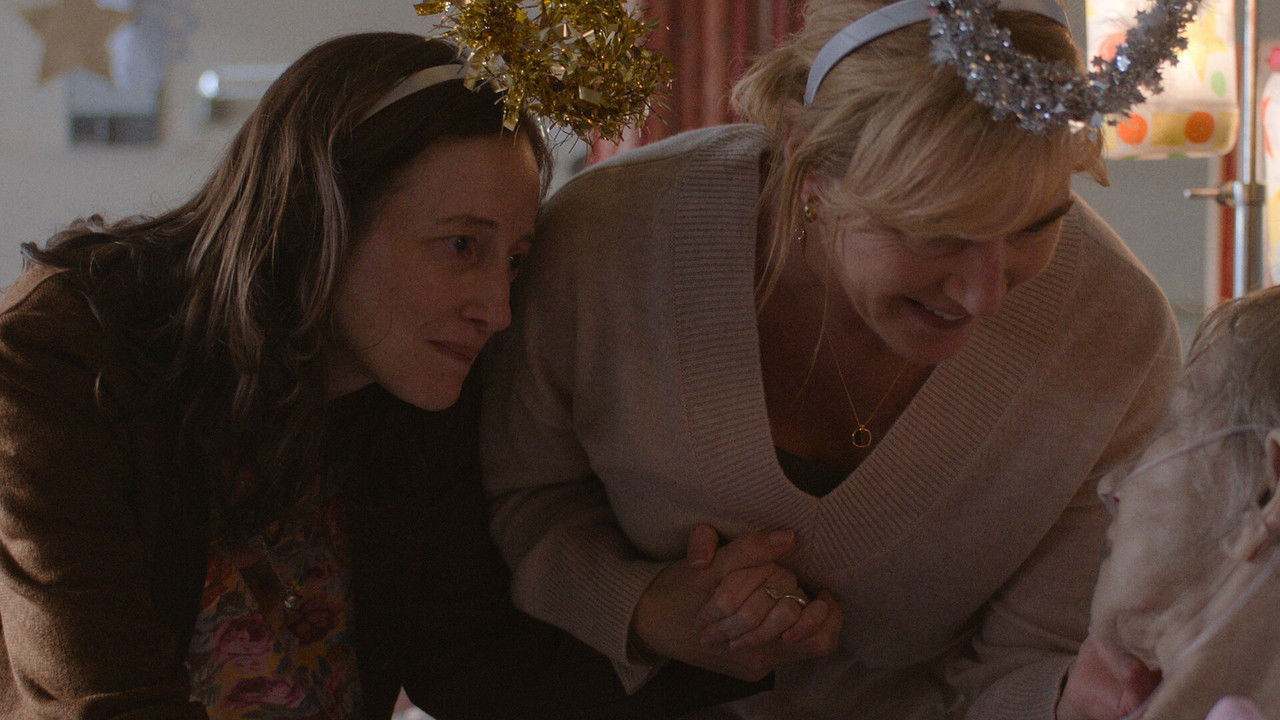
- Watch for the holiday contrast. The movie uses the festive backdrop to highlight how isolating grief can be. Ask your teen why they think the director chose to set a story about dying during the "most wonderful time of the year."
- Focus on the reconciliation. The movie isn't just about saying goodbye to a parent; it's about the siblings saying hello to each other again.
- Check the vibe. If your family is currently in the weeds with a health crisis, this might be too close to home. But if you're looking for a way to start talking to teens about terminal illness, Winslet’s debut provides a grounded, honest starting point that respects the audience's intelligence.
It’s not a masterpiece, but it’s honest. In a streaming landscape full of "content" designed to be half-watched while scrolling, Goodbye June actually demands your attention. Just keep the tissues nearby—not because it's trying to make you cry, but because it probably will.