The "Haunted House" that isn't
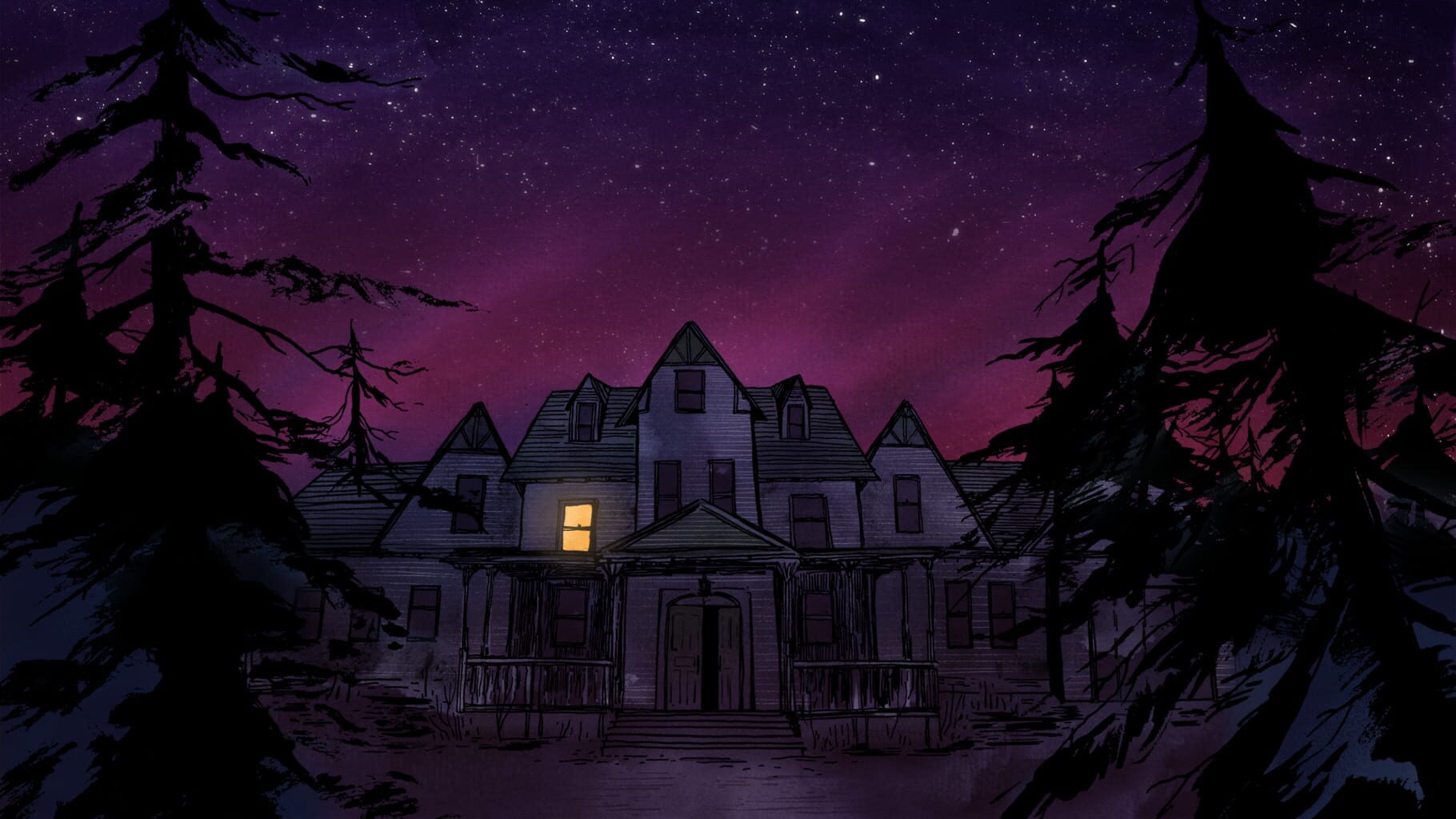
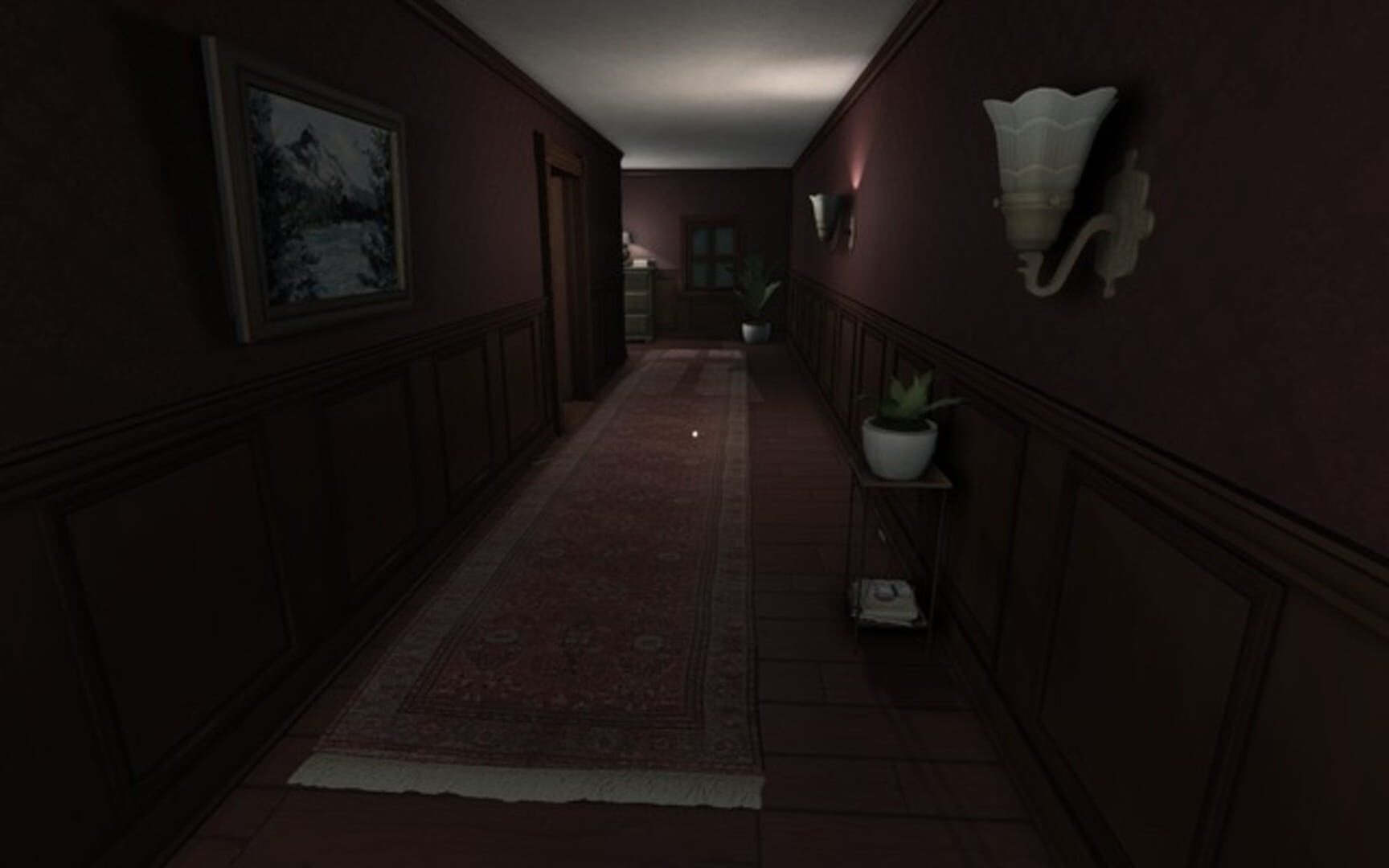
The first thing you need to know is that Gone Home is a masterclass in misdirection. Because it’s set in a massive, dark mansion during a thunderstorm in 1995, your brain is primed for a jump-scare or a ghost. For a teen who grew up on survival horror, the tension is real. They will walk slowly around corners, expecting something to leap out of a closet.
But there are no monsters. The tension is purely emotional. The game uses the language of a thriller to tell a story about a family falling apart and a girl falling in love. This "fake-out" is exactly what makes it brilliant, but it can also be a point of friction. If your kid is looking for a heart-pounding horror experience, they’ll feel cheated. If they’re open to a story that uses atmosphere to make mundane secrets feel monumental, they’ll be hooked.
A 1995 time capsule
For a teenager today, playing this is like visiting a museum of a world they never knew. We’re talking about a time when you couldn't just text your sister to see where she was. You had to look at physical calendars, listen to cassette tapes, and read crumpled-up pieces of notebook paper.
The game treats these objects with reverence. You aren't just looking for clues; you’re looking at the debris of a life. For a kid raised in the digital-everything era, the idea that a person’s entire identity could be hidden in a shoebox under a bed is a foreign, fascinating concept. It’s a great way to show them how much "noise" we leave behind now versus the physical breadcrumbs of the 90s.
The friction of the "walking sim"
Let’s be blunt: the gameplay consists entirely of walking and clicking. There are no puzzles that will stump a genius and no combat to master. This is why the IGDB score sits in the low 70s—it’s a polarizing format.
If your kid is used to games where they have a clear objective marker and a list of tasks, they might get restless. Gone Home requires a specific kind of "detective" mindset. You have to want to know why the dad’s office is full of failed novels or why there’s a hidden panel in the wall.
It’s less of a game and more of an interactive short story. If they enjoyed reading a book like The Perks of Being a Wallflower or they like character-driven indie movies, this will land. If they need a win state or a leaderboard to stay engaged, this will likely end up in the "uninstalled" pile after twenty minutes. It’s a mood piece, and if the mood doesn't grab them, the mechanics certainly won't.