The "Audience vs. Critic" Gap
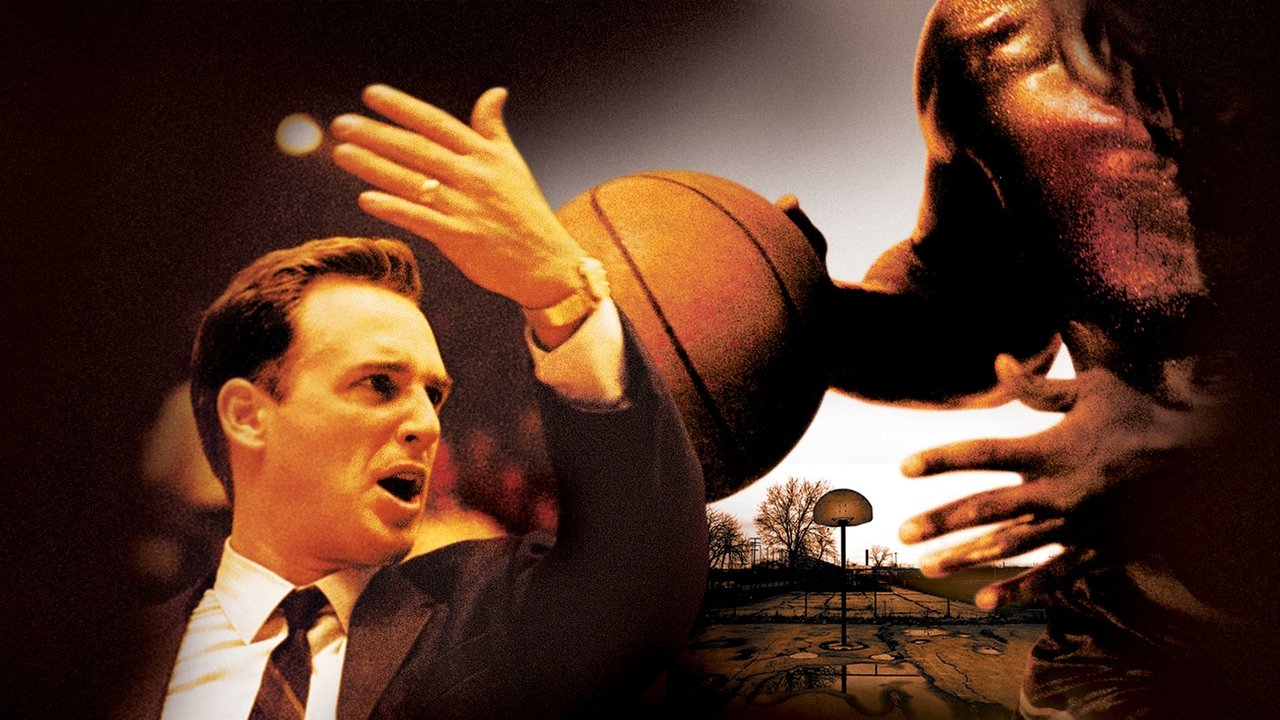
If you look at the numbers, there is a massive divide between the people paid to watch movies and the people who watch them for fun. Critics gave Glory Road a mediocre 55% on Rotten Tomatoes, mostly because they’d seen this specific "inspirational coach" formula a hundred times before. But the 81% audience score tells the real story. For a family, the formula isn't a bug; it's a feature.
The movie hits the beats you want from a sports drama—the grueling practices, the team bonding, the climactic final game—but it anchors them in a history that still feels urgent. It doesn't try to be an avant-garde masterpiece. It tries to make you cheer, and it succeeds. If your kid liked Remember the Titans, they will find this familiar, though Glory Road leans a bit harder into the historical friction of the 1960s South.
Where the "Disney" ends and history begins
While this is a Disney production, it doesn't totally shy away from the ugliness of 1966. You need to be ready for the motel scene. It’s a sequence where the players are physically attacked and the room is vandalized with racial slurs. It is harrowing for a PG movie.
This isn't just "people being mean." It’s a depiction of a world that was actively hostile to these young men's existence. The movie uses these moments to raise the stakes of the basketball games. By the time they get to the championship, the game isn't just about a trophy; it’s about the players' right to be on the court. That shift in stakes is what keeps the 118-minute runtime from dragging, even if you already know how the final buzzer sounds.
The 2026 Perspective
Watching this two decades after its release, some of the cinematography and the "inspirational" soundtrack feel a little dated. The mid-2000s love for shaky-cam during sports sequences is definitely present here. However, the core message hasn't aged a day.
For a generation of kids used to seeing diverse rosters in every professional sport, Glory Road serves as a necessary reality check. It’s an easy entry point for talking about how recently these barriers existed. It’s also a great way to talk about allyship without using that specific buzzword; you see a coach who has to decide if he’s willing to risk his own status to do what is objectively right.
Why it’s a "Watch-With" movie
Don't just drop your 10-year-old in front of this and walk away. The racial slurs and the threat of violence are frequent enough that they require some processing. Use the pause button. The movie is most effective when you can talk about the context of the 1960s—why the crowd is so angry, why the referees are calling lopsided fouls, and why the final lineup was such a massive middle finger to the status quo.
It’s a solid, high-stakes drama that manages to be educational without being boring. Just be prepared for a few "did that really happen?" questions during the credits. (The answer, mostly, is yes.)