The Blueprint for the Future
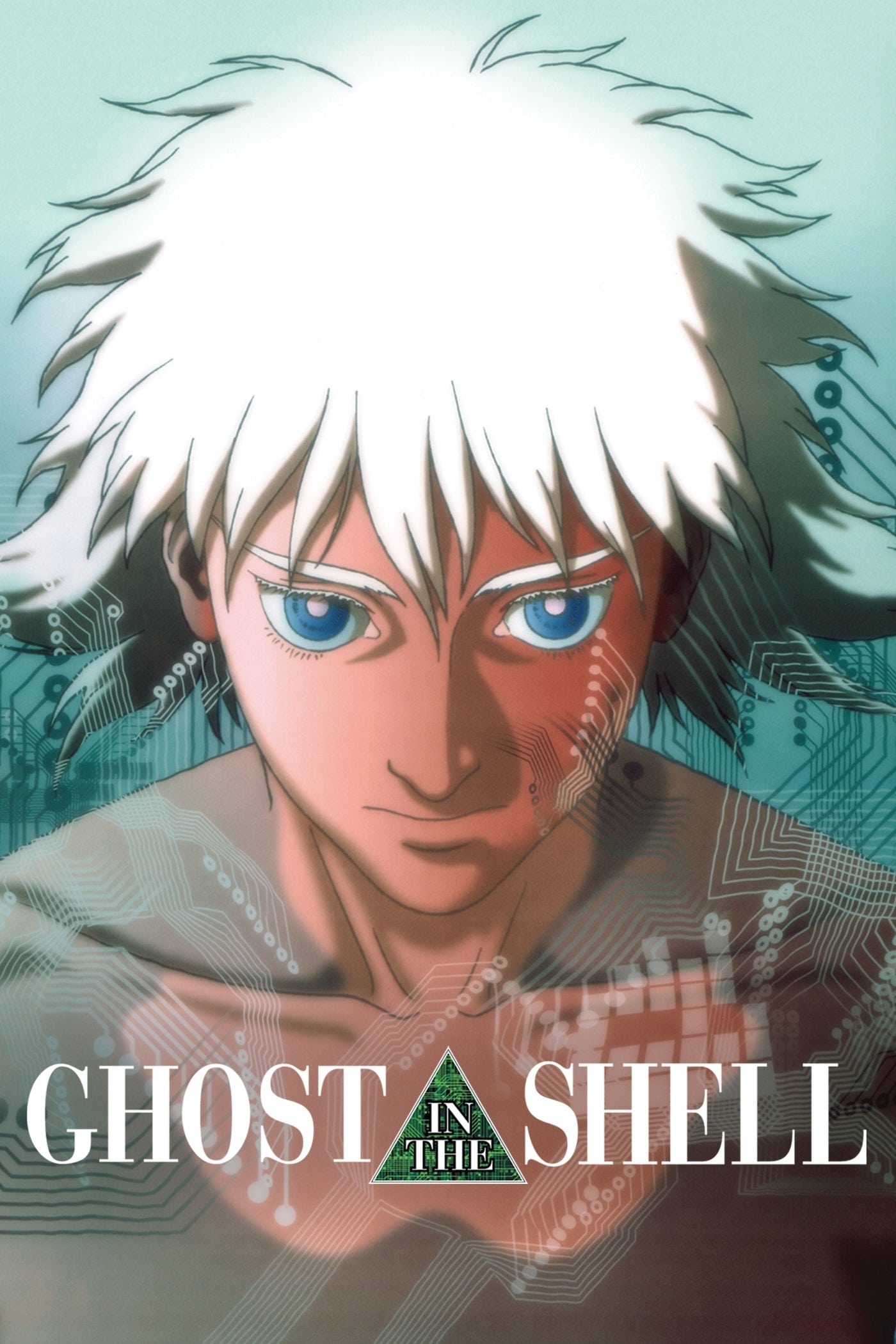
Before The Matrix had its 'digital rain' and before every sci-fi show had a gritty, neon-lit city, there was Mamoru Oshii’s Ghost in the Shell. It’s a film that refuses to hold your hand. It drops you into a world where the line between human and machine has blurred to the point of irrelevance.
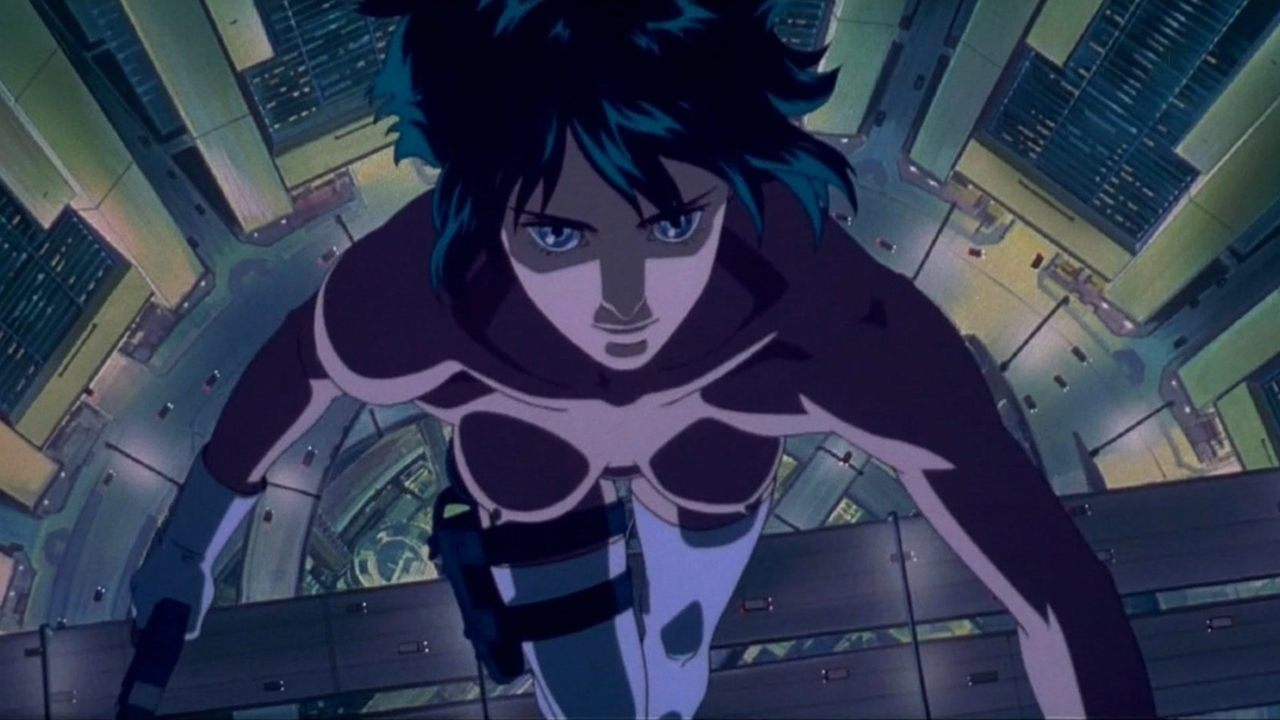
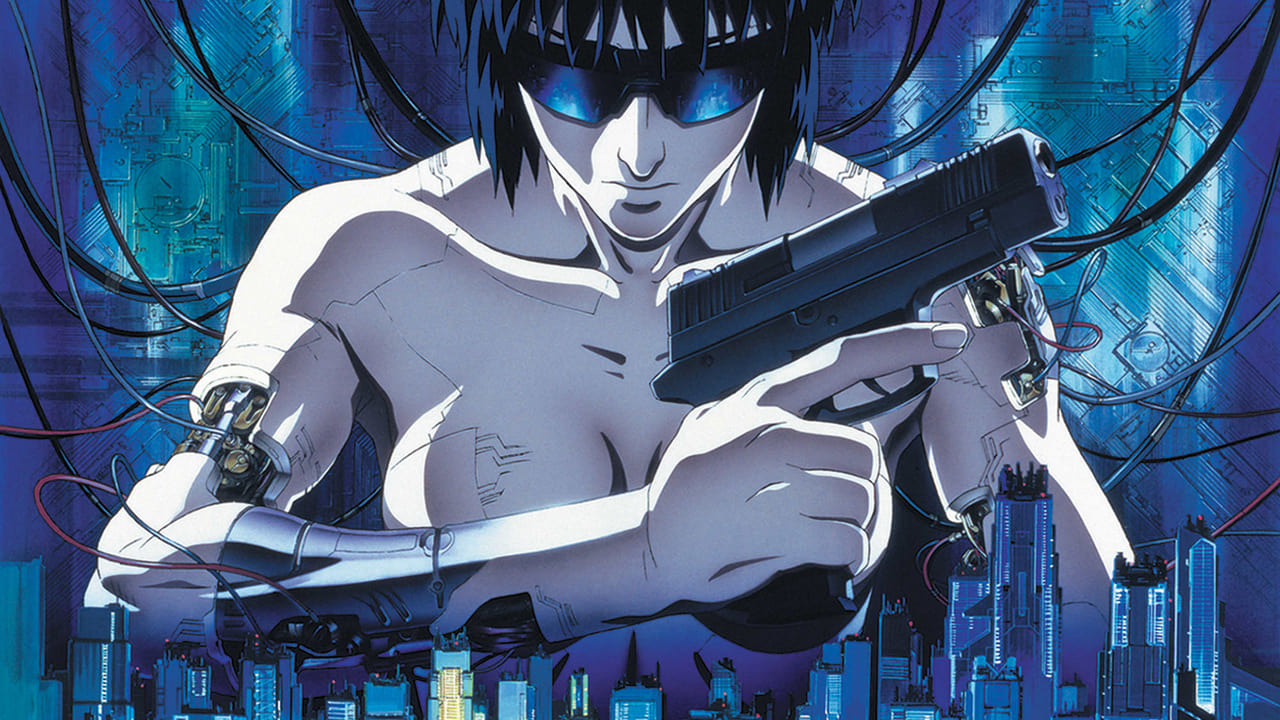
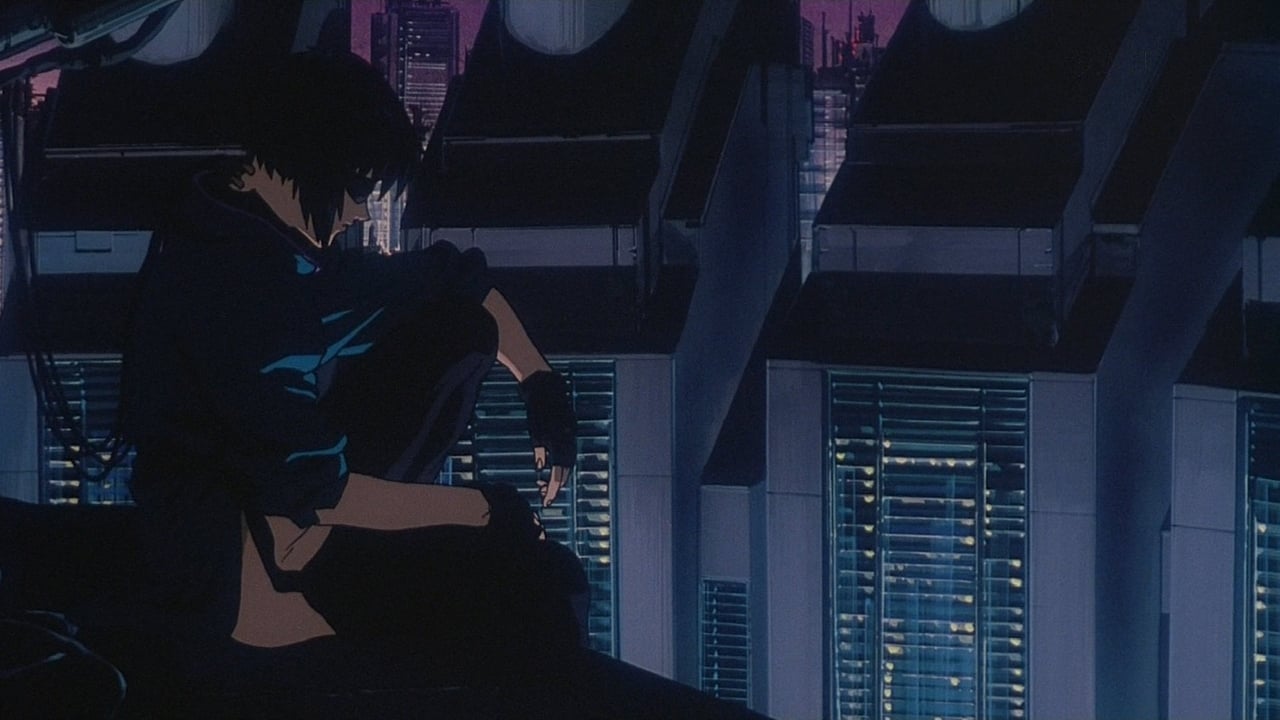
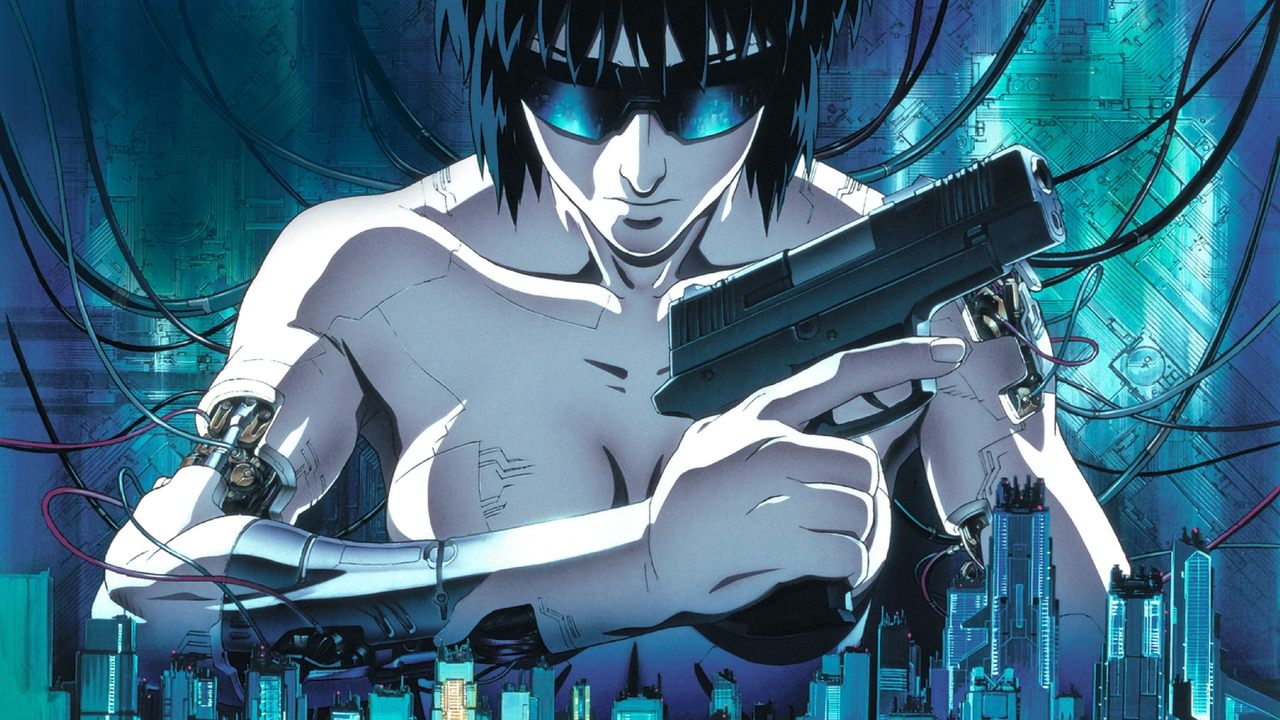
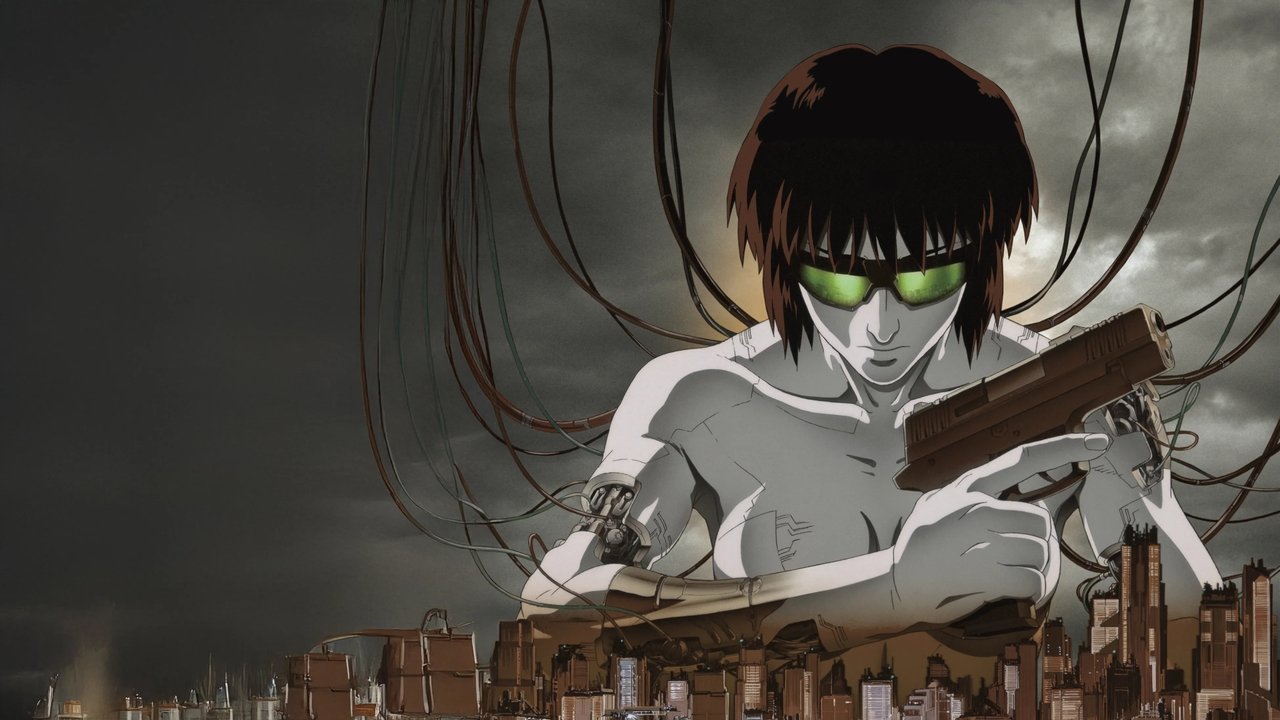
The protagonist, Major Motoko Kusanagi, is almost entirely cybernetic. Her only 'human' part is her 'ghost'—her consciousness. The film spends a lot of time watching her stare into reflections or dive into the ocean, wondering if her memories are even real. This isn't an action movie with philosophical elements; it's a philosophy essay with occasional bursts of extreme violence.
A Note on the 'Nudity'
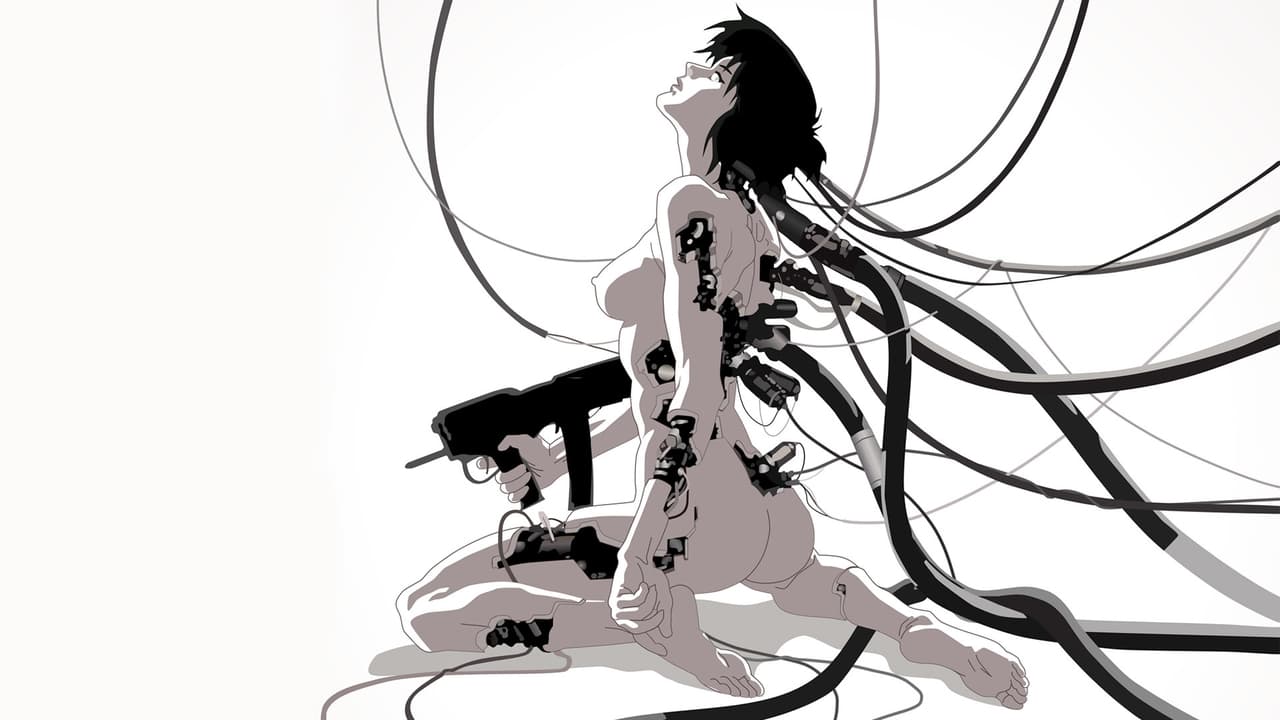
Parents often get tripped up by the nudity here. To be clear: the Major is 'naked' for a significant portion of the film. However, it’s not portrayed with the 'male gaze' typical of a lot of anime. She is an operative using a camouflage suit that requires her to look that way. It’s cold, functional, and almost eerie. But for a 12-year-old, that nuance might be lost, and it’s still full-frontal.
Why it still matters
In the age of LLMs and neural interfaces, the Puppetmaster’s quest for 'birth' and 'diversity' through data feels incredibly prescient. It’s a great 'bridge' movie for a teen who thinks anime is just Pokémon or Demon Slayer. It shows them that the medium can handle the heaviest themes imaginable. If your kid is into coding, AI, or philosophy, this is the ultimate dinner-table-discussion generator.