Geometry Dash

Geometry Dash

game

2013, Music, Platform

WISE
71%

WISE Score

74%

IGDB

A brutally difficult rhythm-platformer that'll have your kid screaming at geometric shapes—in a mostly good way.

Screenwise Verdict

Geometry Dash is that game your kid's friend introduced them to and now they're obsessed with beating 'Bloodbath' or whatever impossibly-named level the community has deemed legendary this week.

The good news: it's genuinely clean content with no monetization nonsense, and the difficulty teaches real persistence. The level editor is legitimately creative and has launched some kids into game design. The bad news: watching your child fail the same jump 200 times while muttering increasingly creative frustration is... a lot. And the compulsive retry loop is real—'just one more attempt' can stretch into hours.

It's been around since 2013 but remains relevant because the community keeps creating new content. The abstract geometric style means it hasn't aged visually. If your kid has the temperament for Dark Souls-level difficulty in a 2D platformer, this is relatively harmless. If they throw controllers when Mario Kart doesn't go their way, maybe start with something gentler.

Age Fit

Best for ages 8-16 who have the frustration tolerance for extremely difficult games and the fine motor skills for precise timing. Younger kids will rage-quit; older teens may find it repetitive unless they're into speedrunning or level creation.

WISE Breakdown
Wholesome
72

Abstract geometric gameplay with no characters or narrative means no concerning content, but the intense difficulty and fast-paced action can lead to frustration and rage-quitting. The rhythm-based mechanics are inherently satisfying, but the 'near impossible challenge' marketing sets up an expectation of repeated failure that may not model healthy emotional regulation for younger players.

Imaginative
78

Strong creative elements through user-generated content and level creation tools that have spawned a massive community of player-creators. The rhythm-platformer fusion is innovative, and players can design intricate levels with custom music. However, the core gameplay loop is repetitive memorization rather than true exploration or open-ended creativity—you're executing precise timing, not inventing solutions.

Safe
81

No in-game purchases, loot boxes, or online chat according to the data. User interaction exists but appears limited. The main safety concern is the potentially addictive 'one more try' loop inherent in extremely difficult platformers—kids can sink hours into perfecting a single level. The abstract visuals mean no inappropriate content, though some user-created levels may contain concerning elements if the platform lacks strong moderation.

Enriching
64

Develops hand-eye coordination, rhythm recognition, pattern memorization, and persistence through challenge. The level editor teaches basic game design principles. However, the enrichment is primarily mechanical skill-building—there's no narrative depth, problem-solving variety, or meaningful themes. It's more 'get good at this specific thing' than broad cognitive development. Entertainment value is high for players who enjoy masochistic difficulty.

Parent Info

Why It Might Be Great

  • Teaches genuine persistence and resilience through challenging gameplay that rewards practice and pattern recognition
  • Level editor unlocks creative expression and has spawned a massive community of young game designers
  • Clean monetization—no purchases, no loot boxes, just pure skill-based gameplay
  • Rhythm-based mechanics naturally develop timing, coordination, and musical awareness
  • Still actively played in 2025 despite being from 2013, with a dedicated fanbase and endless user content

What to Watch For

  • The difficulty is genuinely extreme—expect frustration, controller-throwing impulses, and colorful language
  • Addictive 'one more try' loop can lead to hours disappearing into perfecting a single level
  • User-generated levels mean variable quality and potentially inappropriate content without strong parental controls
  • Repetitive gameplay may become mind-numbing for some; it's memorization and execution, not strategy

Conversation Starters

  • "What's the hardest level you've beaten? How many tries did it take?"
  • "Have you tried making your own level? What would you design?"
  • "When you fail a level for the 50th time, how do you decide whether to keep trying or take a break?"
  • "What music do you like playing to? Does the rhythm help you time your jumps?"

Deep Dive

The 13-year-old fossil that won't die

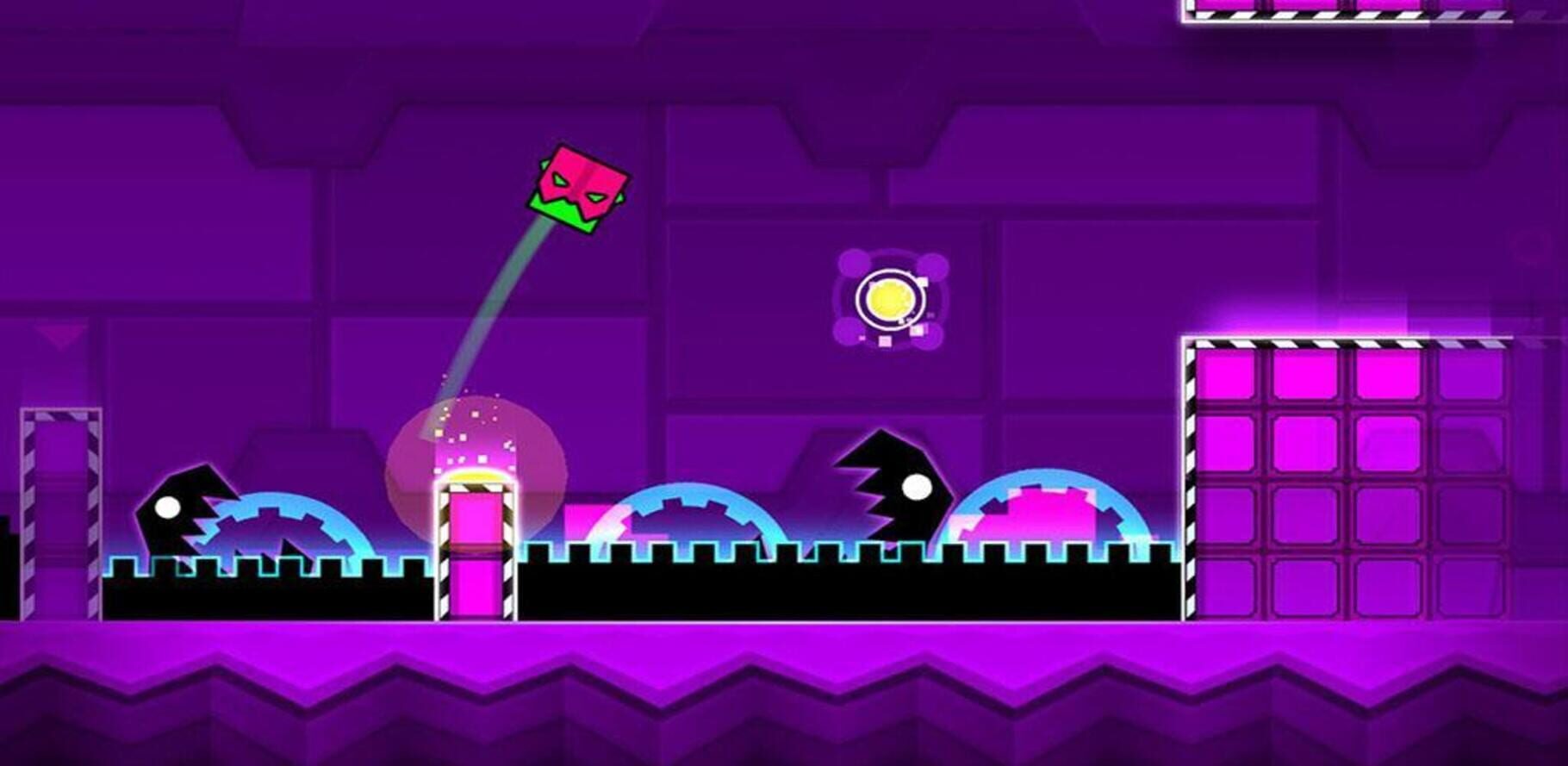
In mobile game years, a 2013 release date makes Geometry Dash an ancient relic. Yet, here we are in 2026, and it’s still a mainstay on the charts. The reason is simple: it is pure. There are no energy bars to wait for, no gacha mechanics to gamble on, and no "pay-to-win" shortcuts. It is just a square, a spike, and a beat.

If your kid is obsessed, they aren’t just playing a platformer; they are participating in a global competition of muscle memory. The community has a whole hierarchy of difficulty, ranging from "Easy" to the terrifying "Extreme Demon" levels. If you hear them talking about Bloodbath or Tartarus, they are referencing legendary, community-made gauntlets that require thousands of attempts to master. This isn't a game you "beat" in a weekend. It's a hobby they cultivate.

The level editor is a secret career path

While the main levels are great, the Level Editor is the real engine of this game’s longevity. It’s essentially a "lite" version of game development software. Kids aren't just placing spikes; they are using triggers, move commands, and pulse effects to sync visuals with music.

It’s one of the few geometry games for kids that actually rewards spatial logic and timing without feeling like a classroom assignment. If your kid spends more time in the editor than the actual game, they are learning the basics of object-oriented logic and UI design. It’s a massive creative outlet that turns players into creators.

Dealing with the "salt"

We need to talk about the frustration. Geometry Dash is designed to make you fail. You will die at 98% of the way through a three-minute level because your thumb slipped by a millisecond. The "retry" button is instantaneous, which creates a flow state that is hard to break.

This is the ultimate laboratory for teaching kids about frustration tolerance. You will see the "rage quit" in real-time. The move here isn't to ban the game when they get mad, but to help them recognize when their focus has peaked and their "salt" levels are rising. When they finally hit 100%, the dopamine hit is massive. It’s a lesson in delayed gratification that most modern, "easy-win" games don't offer.

If they liked this, try...

If your kid has mastered the rhythm-based chaos here, they are likely hunting for more high-stakes precision. You can find similar vibes in our breakdown of the best apps for action lovers.

  • For the music junkies: Look into other rhythm-action titles that prioritize beat-matching.
  • For the masochists: Look for "precision platformers" that use simple controls but demand perfect execution.
  • For the creators: If they’ve outgrown the Geometry Dash editor, it might be time to look at actual game engines or logic-based building games.

The bottom line: Geometry Dash is the rare game that respects a player's intelligence and persistence. It’s loud, it’s frustrating, and it’s occasionally ugly, but it’s one of the most honest digital experiences a kid can have.

Ask Anything

Get a personalized guide on any topic