The Proto-Archer DNA
If you’ve spent any time with Archer, you’ll recognize the rhythm of Frisky Dingo within thirty seconds. It’s the same rapid-fire, overlapping dialogue where characters argue about grocery lists while a doomsday device counts down in the background. This isn't a show you can watch while scrolling on your phone; if you blink, you’ll miss three insults and a plot pivot that makes the rest of the episode look like a fever dream.
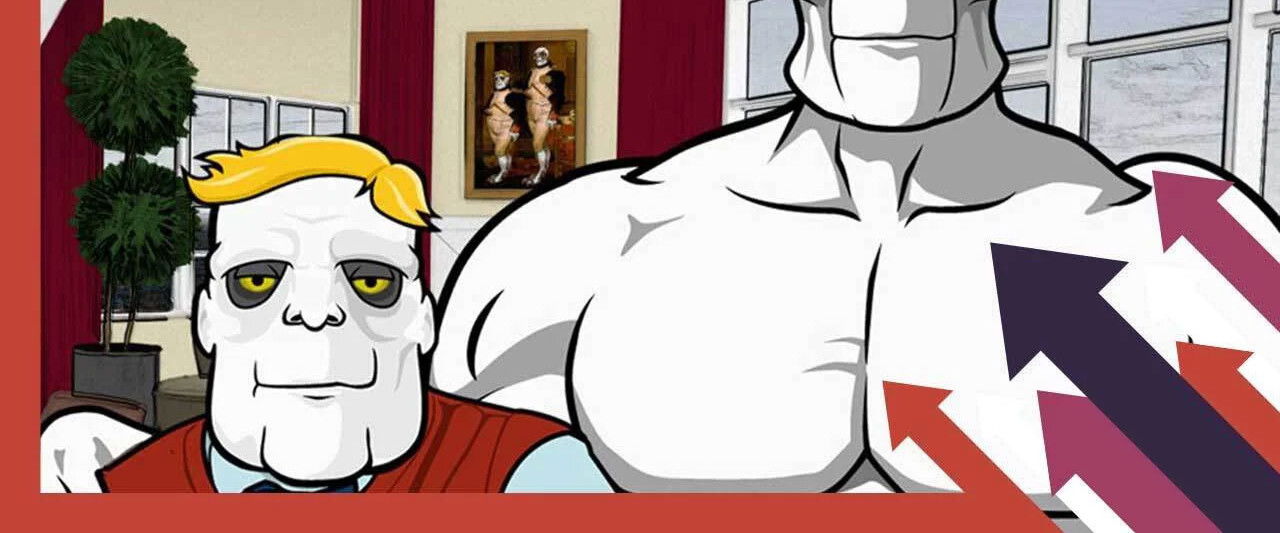
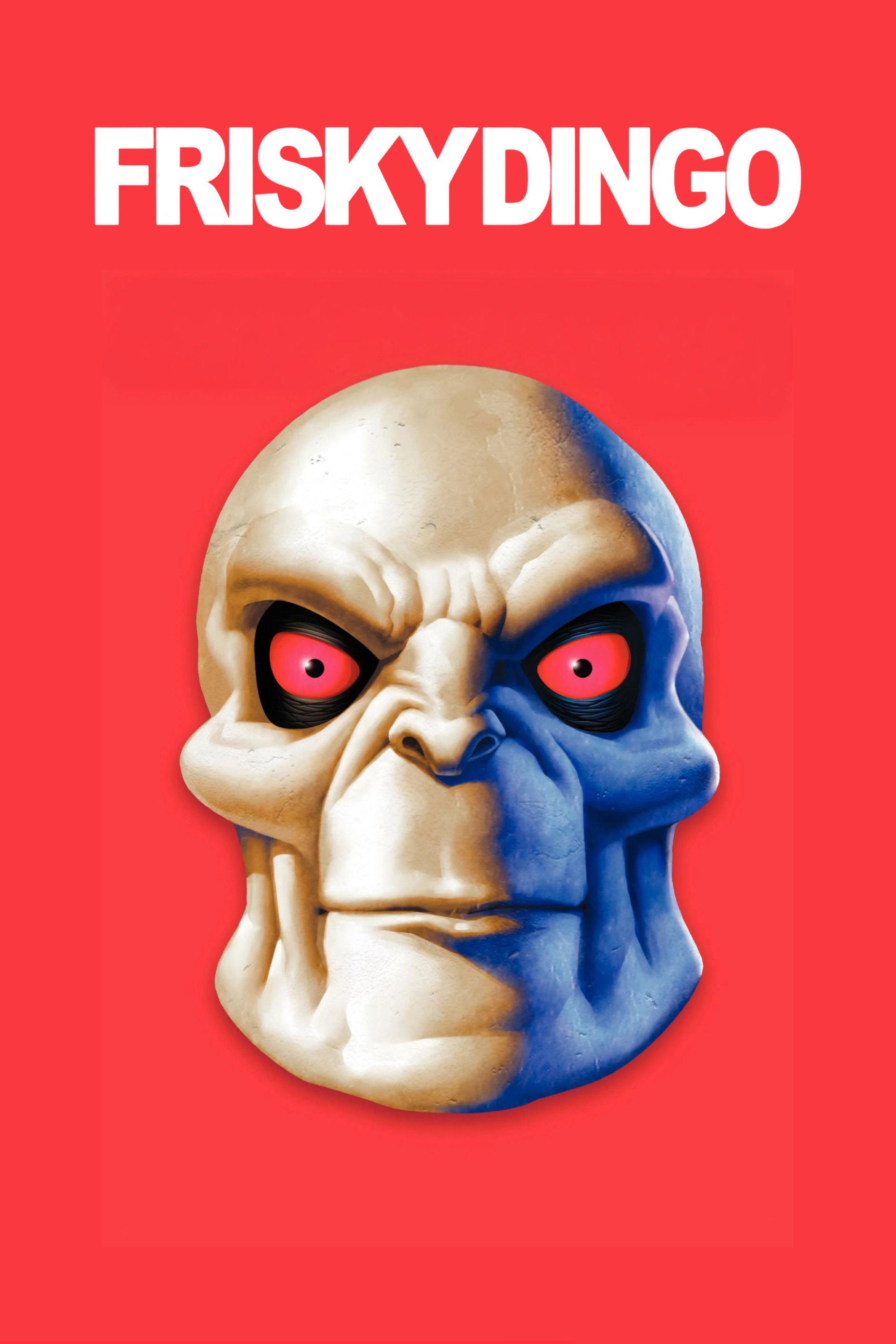
The show exists in a weird, wonderful space between the high-stakes drama of a superhero epic and the mundane frustration of a corporate board meeting. Killface, the terrifying alien antagonist, spends as much time worrying about his marketing budget and his son’s rebellious phase as he does trying to destroy the planet. It’s that specific brand of banality paired with world-ending stakes that makes the show a cult favorite.
The Visual Hurdle
Let's be blunt: the animation is an acquired taste. In 2006, "Flash animation" was the industry standard for low-budget cable shows, and Frisky Dingo leans into it with zero shame. Characters move like paper dolls, and backgrounds are often static. If you’re used to the high-gloss production of modern Netflix or Disney+ series, this will feel like a massive step backward.
However, there’s an intentionality to the "cheap" look. The creators use the limited animation to punch up the comedy—think long, awkward pauses where nobody moves, or sudden, jerky violence that feels more shocking because of how stiff everything else is. It’s a lo-fi aesthetic that rewards viewers who care more about the script than the frame rate. If you can get past the first two episodes without complaining about the art, you’re probably the target audience.
Why It Stays in the "Adults Only" Bin
While the 17+ rating is standard for Adult Swim, Frisky Dingo earns it through sheer nihilism. This isn't just about the occasional swear word or cartoon blood. It’s the fact that every single character is, on some level, a terrible person. Xander Crews (the "hero") is a narcissist who uses his billions to fund his own ego, and Killface (the "villain") is often the most relatable person on screen.
For a parent, the friction here isn't just the crude humor—it’s the lack of a moral center. There is no "lesson" at the end of the 11-minute runtime. If your older teen is into the deconstructionist vibes of The Boys or the cynical humor of Rick and Morty, they might find this fascinating as a piece of TV history. But for anyone else, it’s a chaotic, often mean-spirited ride that refuses to take anything seriously.
The Binge Factor
Because the episodes are short and the plot is serialized (unusual for comedies at the time), it’s incredibly easy to burn through a season in a single sitting. The show operates on a "yes, and" logic where every bad decision leads to an even worse catastrophe, creating a momentum that keeps you watching just to see how much further they can derail the train. It’s the ultimate "just one more" show for a late-night session when you want something that requires high attention but offers zero emotional weight.