The accidental influencer
Long before "going viral" was a metric for success, Andrew Clements wrote the definitive handbook on how an idea takes over a community. Nick Allen isn't trying to be a rebel or a disruptor; he’s just a kid who understands leverage. When he decides a pen is now a "frindle," he isn't just being annoying. He’s testing the boundaries of how reality is constructed.
For a book written in 1998, it feels remarkably modern. It captures that specific lightning-in-a-bottle moment when a joke between friends turns into a cultural movement that the adults in the room can no longer control. If your kid is starting to notice how trends start on TikTok or why certain slang suddenly becomes ubiquitous at school, this is the perfect unplugged way to talk about those dynamics.
A better class of antagonist
The secret weapon of Frindle is Mrs. Granger. In most middle-grade fiction, the teacher is either a saintly mentor or a cartoonish villain. Mrs. Granger is neither. She is a formidable, dictionary-worshipping adversary who actually knows exactly what she’s doing.
The friction between Nick and Mrs. Granger is the best part of the book because it’s a chess match, not a tantrum. She provides the resistance Nick needs for his idea to actually mean something. Without her "war" on the word frindle, the word would have died out in a week. This makes it a standout choice for parents looking for books without potty humor. The conflict is intellectual and psychological, proving that you don't need gross-out gags to keep a third-grader's attention.
Where it fits in the reading journey
At roughly 100 to 200 pages depending on the edition, this is a "low floor, high ceiling" book. It’s an easy win for reluctant readers because the chapters are punchy and the stakes feel immediate. It’s a staple in the best books for third graders conversation because it bridges the gap between simple chapter books and more complex middle-grade novels.
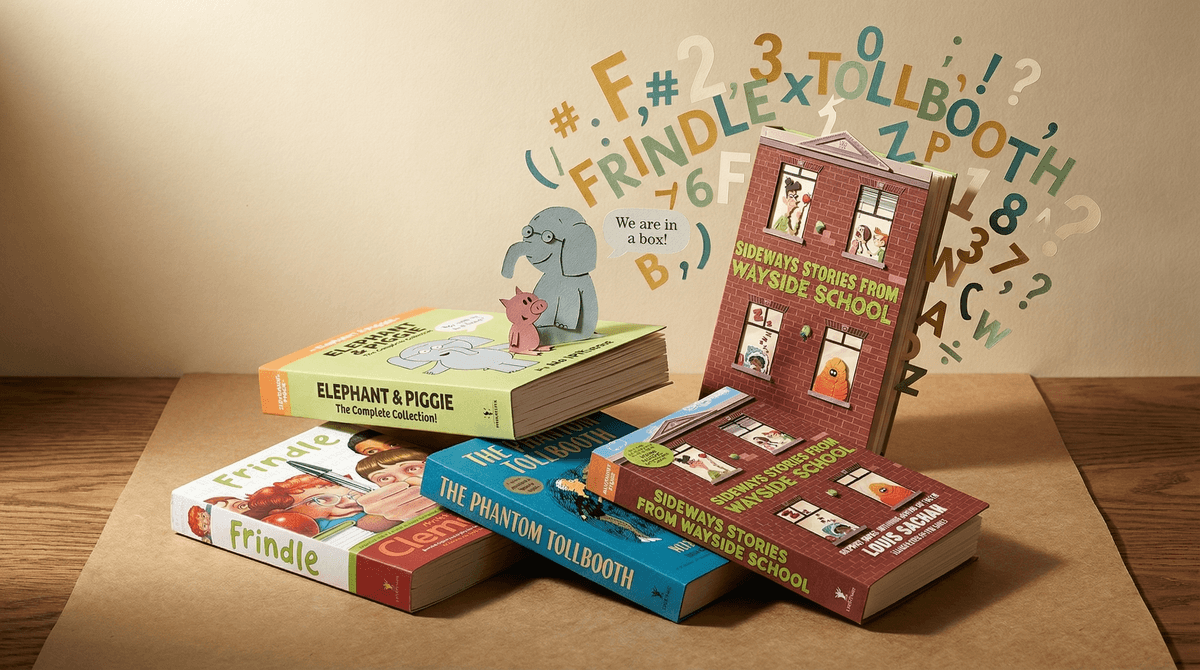
If your kid liked the absurd logic of Sideways Stories from Wayside School but is ready for something that feels a bit more grounded in the real world, this is the move. It shares that same "kids vs. the institution" energy but trades the magic for linguistics.
The "Frindle" effect at home
Be prepared: this book is contagious. It is almost a guarantee that after finishing this, your kid will try to rename something in your house. Instead of shuting it down, lean into it. The book is essentially a stealth lesson in etymology and the social contract of language.
If you’re browsing for titles on Epic Books for Kids, keep an eye out for Clements’ other school-based stories, but Frindle remains the gold standard. It manages to celebrate the kid who asks "why" without suggesting that the rules don't matter. It’s a rare, smart balance that respects the intelligence of the reader and the teacher alike.